AI App for Electrical Engineering: What It Can (and Can't) Do

An AI app for electrical engineering reads measurement data from meters, inverters and equipment and turns it into structured analysis automatically. It saves calculation time and flags billing errors, but only if the underlying data sources are clean and the process behind them is clear.
A practical AI app for electrical engineering collects readings from systems, meters and market signals, then prepares them automatically. Instead of manually reading log files, you get structured evaluations: load curves, deviations, and anomalies highlighted for you. Typical outputs are energy monitoring, error detection in bills, and forecasts. What it does NOT do is replace an electrician's on-site inspection or certified metering hardware.
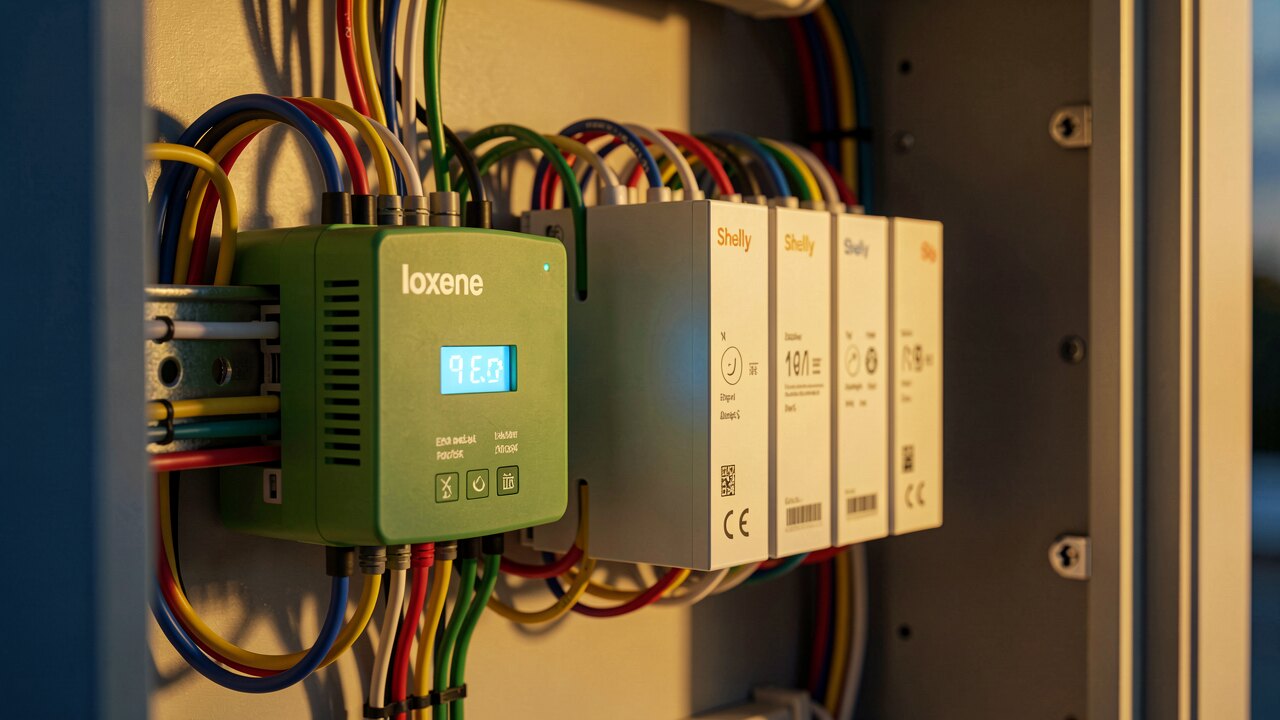
For quick self-checks you often don't need a full platform. Free self-service tools (for example at apps.stromfee.ai) run in the browser without registration and answer one concrete question at a time: sizing a battery storage system, understanding reactive power, or estimating savings. Start here if you want a fast answer before committing to any software or consultation.
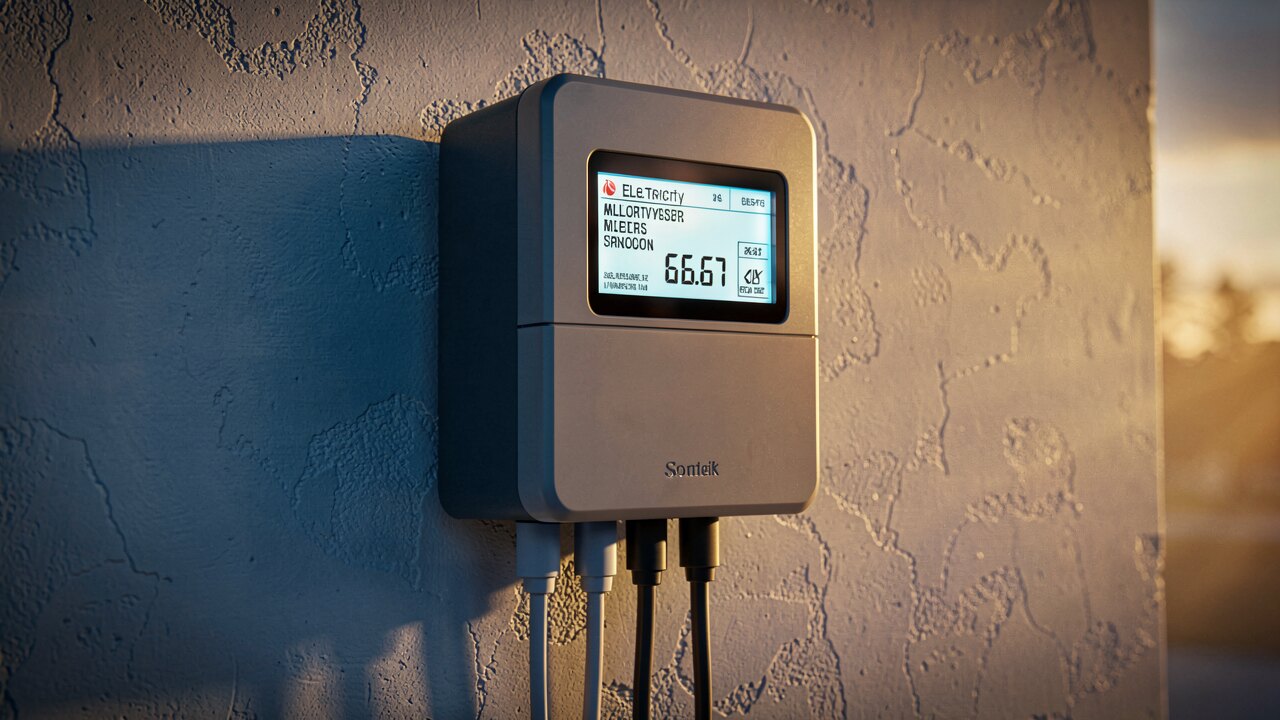
AI is only as good as the data it reads. Reliable results need clean sources: correctly configured meters, consistent time stamps, and known units (kW vs. kWh). Before trusting an automated evaluation, check that the readings actually cover the system in question and that no channel is missing. Garbage in still means garbage out — no model fixes a broken data feed.
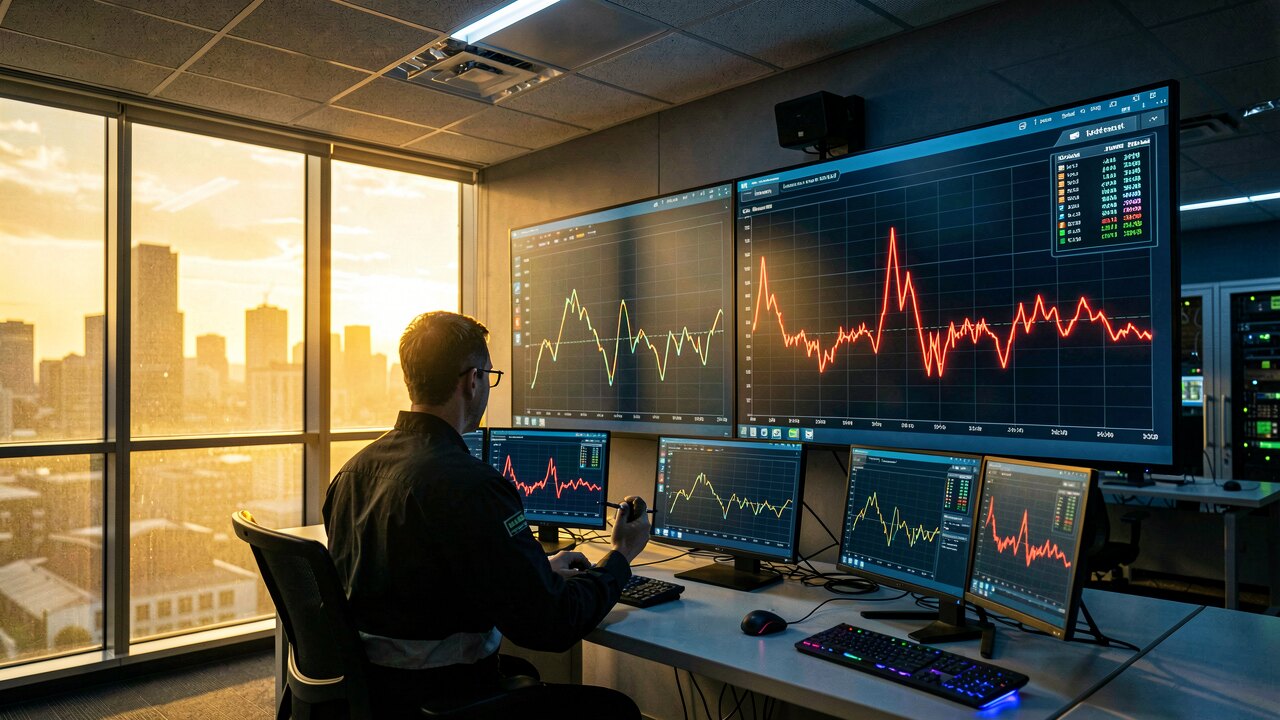
Be skeptical of headline accuracy numbers. Forecasting and anomaly detection are genuinely useful, but treat any single 'accuracy' figure as a claim to verify against your own data, not a guarantee. A sound app shows you the raw values behind its conclusions so you can audit them, rather than asking you to trust a black box.
If you manage multiple sites, inverters or storage systems, a one-off calculator is not enough. That's the point to look at an integrated platform with API access that pulls all sources into one monitoring view. The decision driver is scale and repeatability — many sites, recurring billing checks, and forecasts you rely on operationally.
Two low-commitment paths: use the free browser tools for a single concrete question, or work through a free academy that explains the basics (battery storage, dynamic tariffs, arbitrage) in plain language. Both let you understand the mechanics before you decide whether a paid, connected system is worth it for your case.