AI Assistant for Climate Control: What It Is and How to Use It
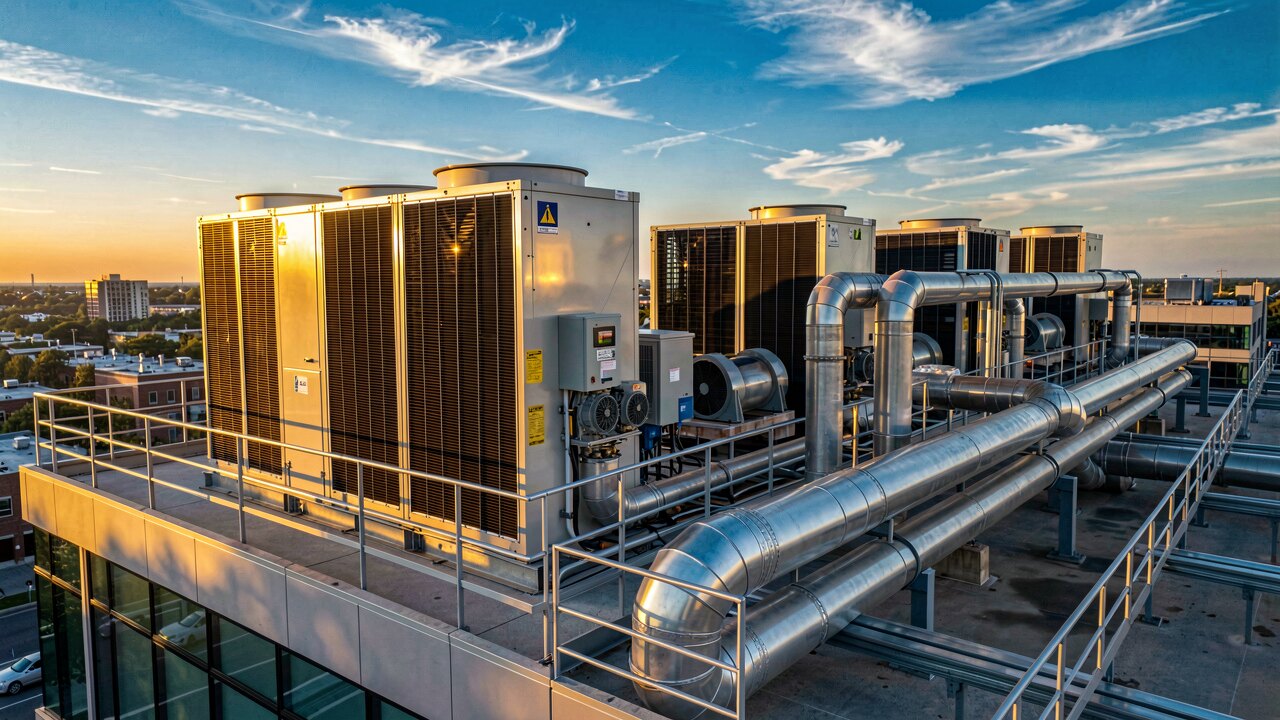
An AI assistant for climate control is a language interface on top of your own plant documentation and live data: you ask a question in plain language and get an answer with the source attached. It only works if your circuit diagrams, nameplates and BMS data points are digitised first — the AI does not know your building, it reads your building.
It is a retrieval-augmented generation (RAG) assistant. Your circuit diagrams, datasheets, nameplate photos and BMS point lists are indexed into a searchable plant memory. When you ask a question, the system retrieves the matching documents and the language model answers from them. That is the whole mechanism — retrieval first, generation second. Without your documents indexed, you get a chatbot with generic HVAC trivia, not an assistant.

Real questions from operations, in normal language: "Which BMS data points does the heat exchanger charging pump have?", "Where is the circuit diagram for the filter pumps?", "Show me PV generation for the last two weeks." The assistant returns the answer plus the document page it came from, so a technician can verify it instead of trusting it. The value is search across scattered paper and PDFs, not the AI sounding clever.

1) Scan the paper — circuit diagrams, hydraulic schematics, commissioning reports. 2) Photograph the nameplates on pumps, air-conditioning units, frequency converters and heat exchangers, capturing manufacturer and type; where the label text is legible, the photo can be linked to the matching circuit-diagram page. 3) Export your BMS/SCADA point list and connect the live data source. 4) Index all of it and put the assistant on top. Step 2 is the one people skip, and it is the one that makes the rest useful.
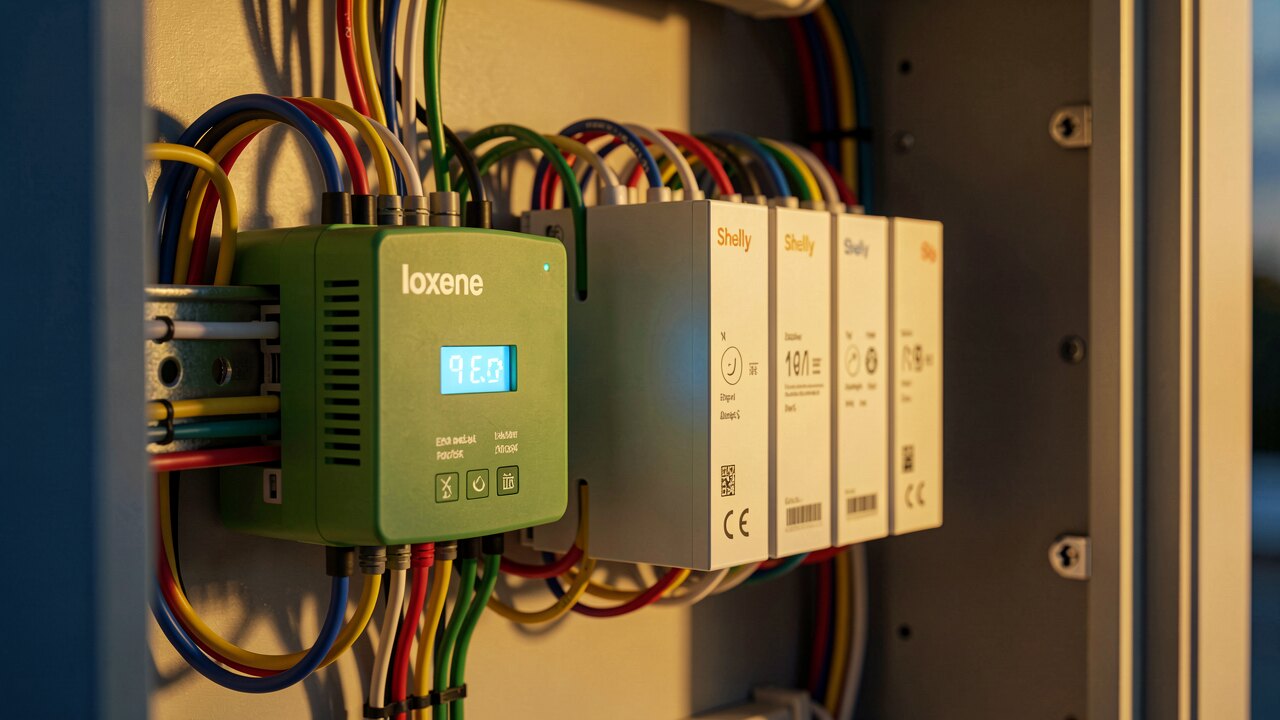
Three levels, increasing effort. Text chat over documents is the baseline. Voice adds speech-to-speech interaction — in our own agent stack, a realtime voice API delivers under 500 ms latency without a separate text-to-speech step, which matters when a technician is standing at the plant with dirty hands. Tool use (function calling) is the level above: the agent runs calculations, queries APIs and searches databases itself instead of only quoting documents — for example computing transformer loads or pulling live market data.
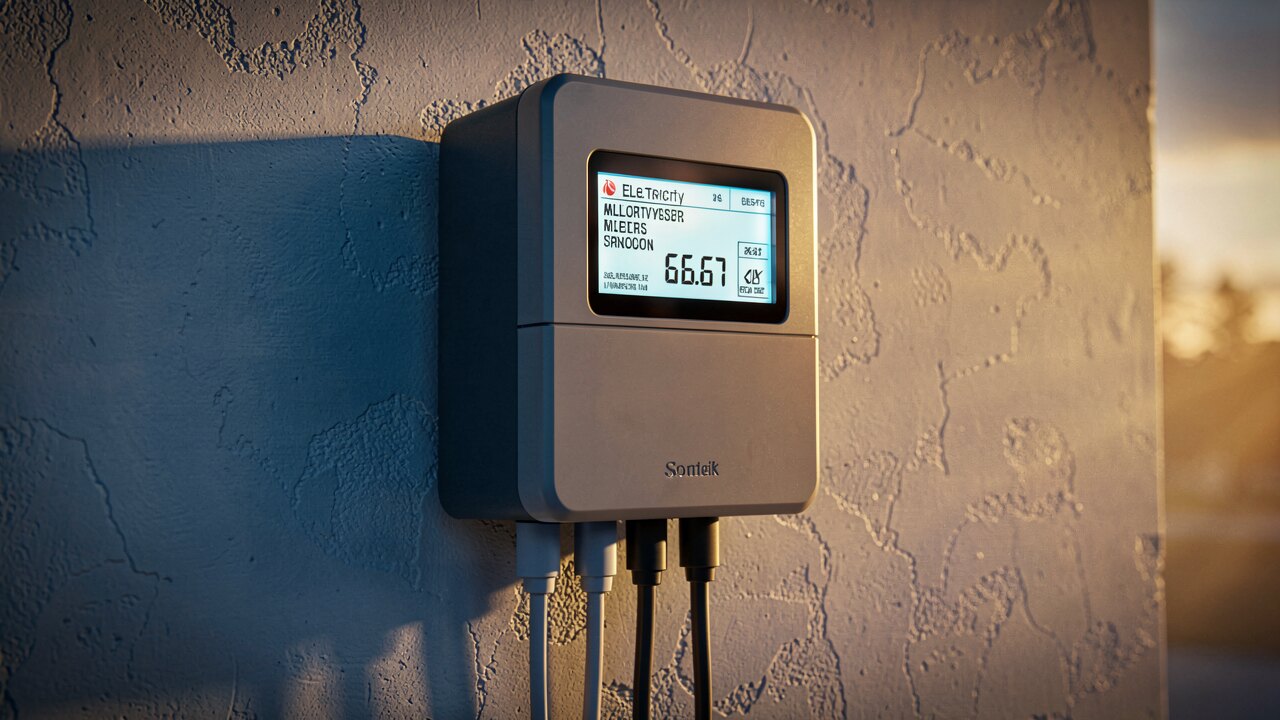
Bad input, bad answers. Illegible nameplate photos, undated diagram revisions and inconsistent point naming all propagate straight into the answers. The assistant will also state a retrieved fact confidently even if the underlying document is ten years out of date — it cannot know your rebuild. So: always show the source, keep a revision date on every indexed document, and treat the output as a fast lookup, not an engineering sign-off.
Plant documentation is usually not personal data, but the moment your assistant touches occupancy, access logs, guest data or employee schedules, GDPR applies to that processing. The practical choices are the same as for any AI system: what leaves your network, what the model provider may retain, and whether you can run retrieval locally. Settle this before indexing, not after.