AI-Based Energy Management: What It Is and How It Works
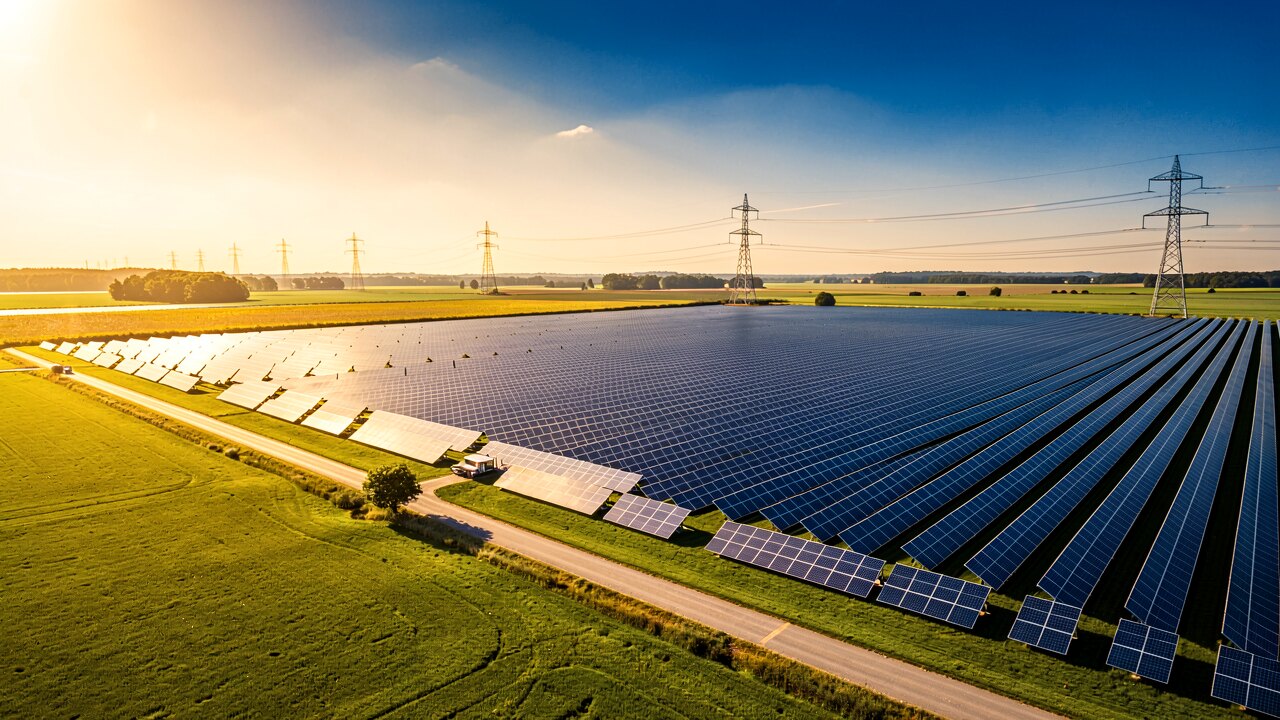
AI-based energy management uses machine learning to forecast, monitor and control how a site generates, stores and consumes electricity — automatically, instead of by fixed rules or manual switching. It is applied to solar arrays, heat pumps, battery storage and industrial loads to cut costs, spot anomalies and match consumption to when energy is cheapest or self-generated.
An AI-based energy management system (EMS) sits between your meters, generation assets and controllable loads. It ingests live measurement data, learns your consumption and generation patterns, forecasts what comes next, and then decides — or recommends — when to charge a battery, run a heat pump, or shift a flexible load. The difference to conventional energy management is that a conventional EMS follows rules you wrote in advance; an AI-based EMS derives the pattern from your data and keeps adapting as that pattern changes.
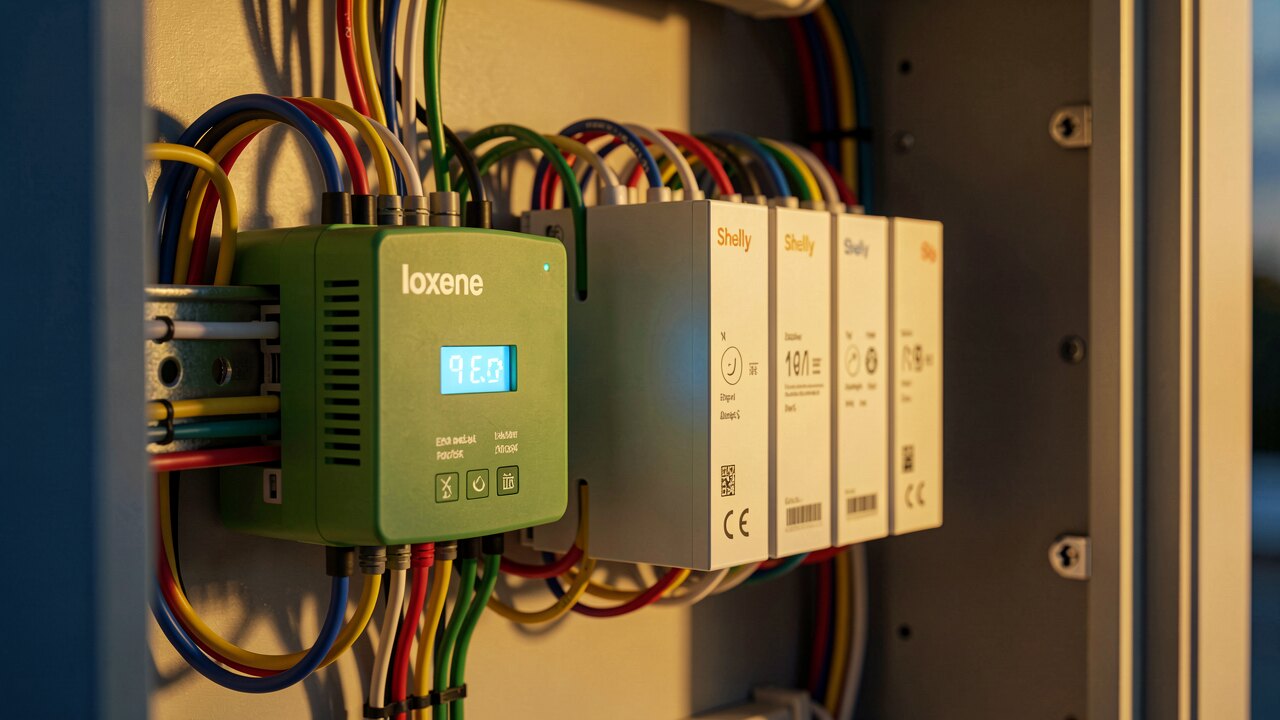
1) Data collection: meter readings, inverter and storage telemetry, load profiles, and market or weather signals are collected continuously. 2) Pattern learning: the system builds a model of your normal behaviour — typical daily load, generation curve, seasonal drift. 3) Forecasting: expected generation and consumption for the hours ahead. 4) Optimisation: a decision on when to store, use or export energy. 5) Anomaly detection: deviations from the learned normal are flagged — a failing component, an unnoticed standby load, a meter that stopped reporting. Steps 2, 3 and 5 are where the AI does the work; steps 1 and 4 exist in any EMS.
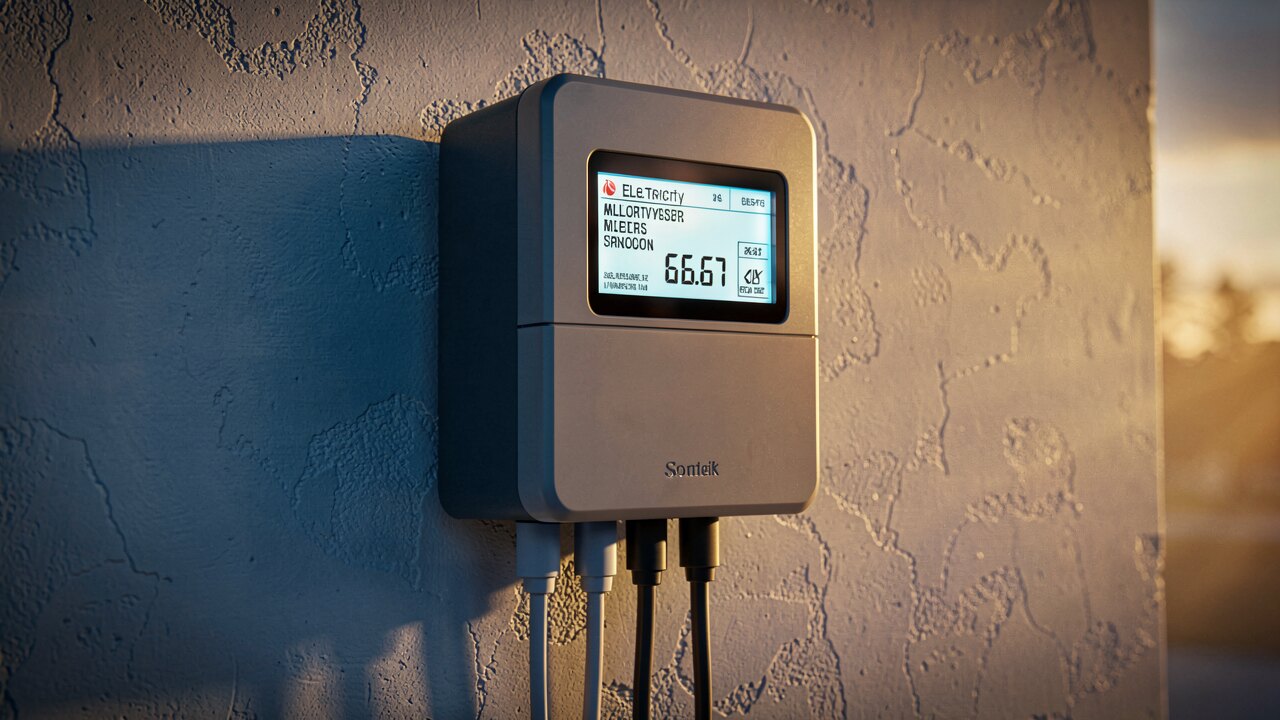
Three mechanisms, in rough order of reliability. First, transparency: continuously comparing measured against expected consumption surfaces waste that nobody had time to look for — this is the effect most sites see first. Second, self-consumption: using your own generation instead of buying from the grid, by timing controllable loads and storage to match the generation curve. Third, price and market response: shifting flexible consumption toward cheaper hours where your tariff or market position allows it. The size of each depends entirely on your tariff, your load flexibility and how much generation you have on site. Be sceptical of any vendor quoting a single savings percentage before seeing your data.
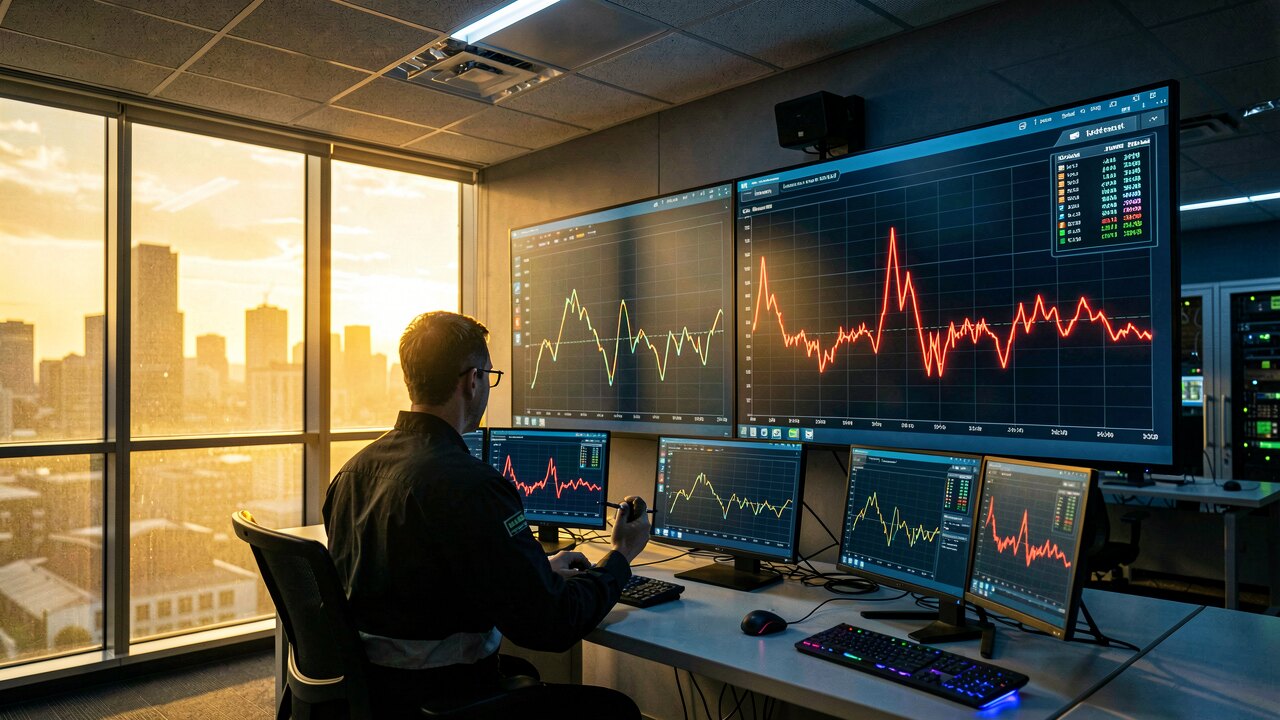
Metering granularity is the gating factor. If your only data is a monthly bill, there is nothing for a model to learn from — you need interval measurement, ideally at the level of individual assets rather than one summed feed. You also need at least one thing the system can actually influence: a battery, a heat pump, a controllable process, or a person who acts on the recommendations. AI on a site with no flexibility and no storage produces reports, not savings.
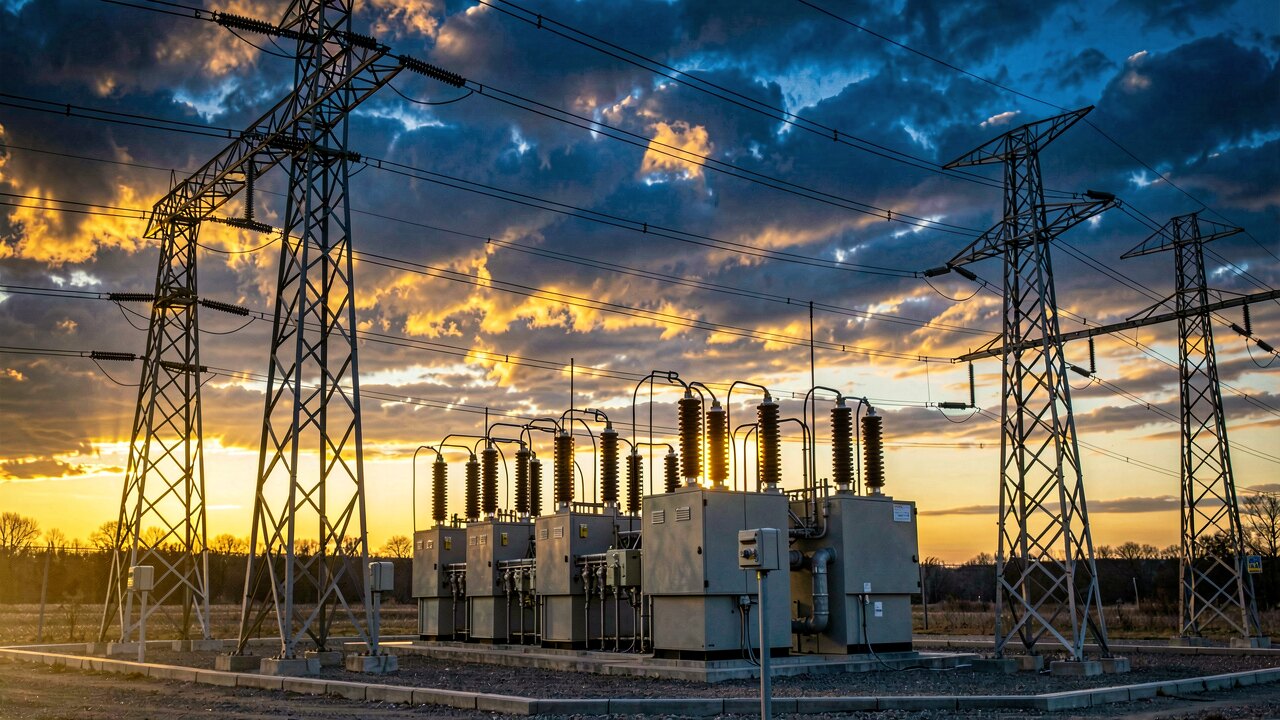
On a single site — a house with PV, a heat pump and storage — the job is self-consumption and load timing. In industry and commercial buildings, it adds anomaly detection across many measurement points and load management against demand charges. For utilities, grid operators and municipal suppliers, the same core is applied at portfolio scale: forecasting across many connection points, and integration into existing systems via API or as a white-label platform. The algorithms overlap heavily; the data volume and the integration work do not.
Ask what data it needs and whether you have it. Ask what it controls, not just what it displays — a dashboard is not energy management. Ask how a forecast is validated after the fact: a system that never compares its prediction against what actually happened cannot tell you whether it is working. Ask for a savings figure derived from your own measured data, not a reference case. And check the integration path early: whether the system speaks to your inverters, meters and storage is a more common project killer than the intelligence itself.