AI for Municipal Utilities (Stadtwerke): A Practical Answer
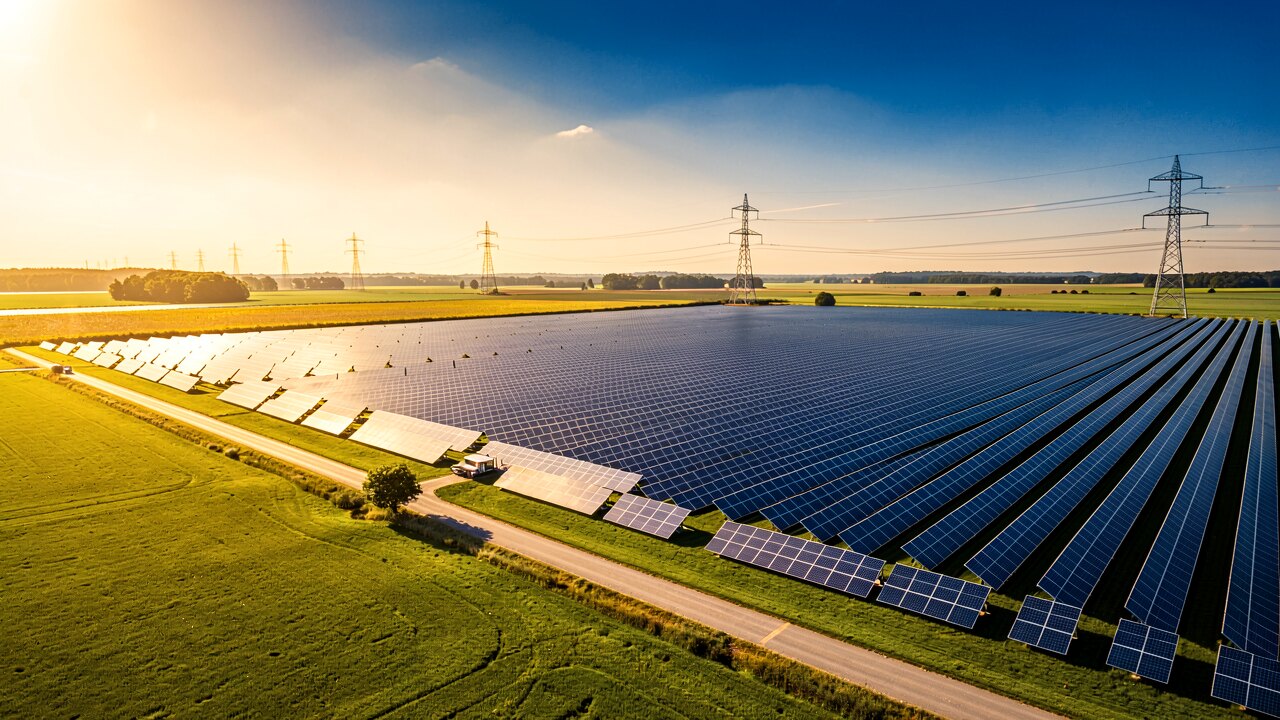
AI for a municipal utility means using pattern-learning software on your own operational data to forecast load and generation, optimise procurement and storage, and cut manual work in service and asset management. It is not one product — it is a handful of well-defined jobs, each of which needs specific data you probably already collect.
1) Forecasting — predicting load, PV and wind feed-in, and heat demand hours to days ahead. 2) Procurement and trading support — using those forecasts to size day-ahead and intraday positions and reduce balancing-energy exposure. 3) Asset and storage optimisation — deciding when a battery, CHP unit or heat pump should run against price and grid signals. 4) Grid and metering analytics — spotting anomalies, losses, and implausible meter readings. 5) Customer service and back office — classifying mail, extracting data from invoices and technical documents, answering routine tariff and billing questions. Everything else is a variation of these five.
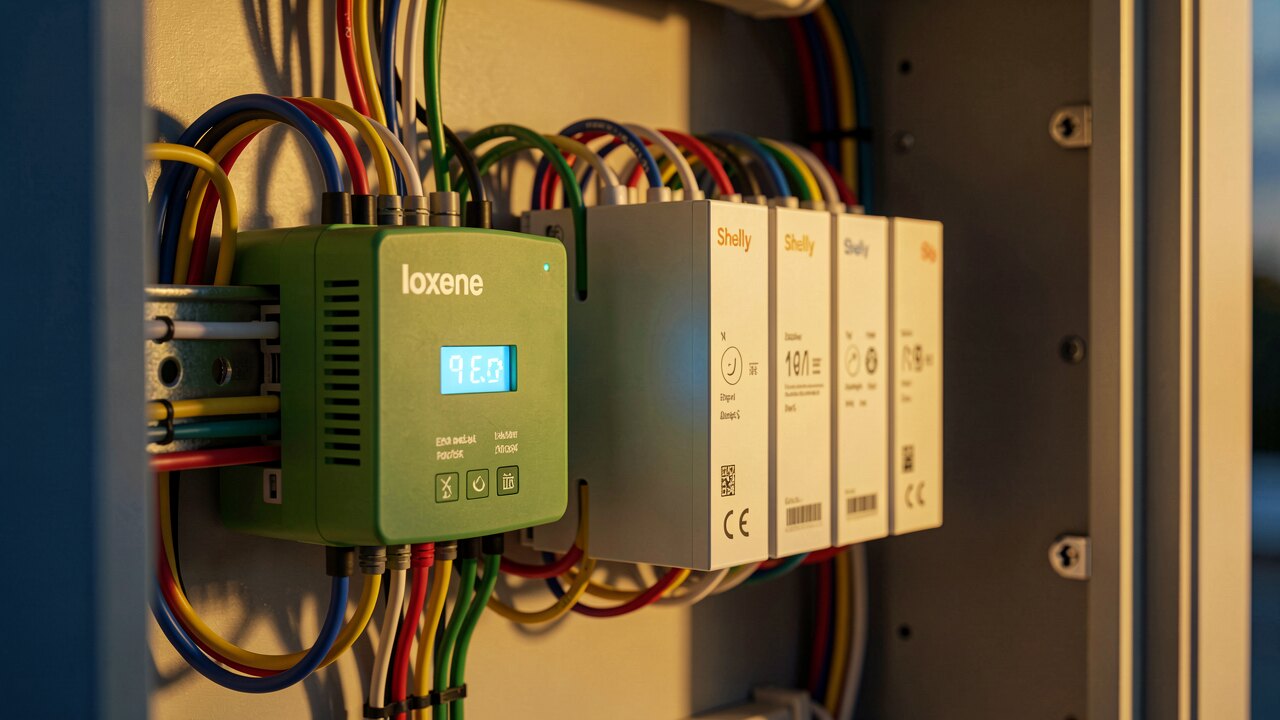
Each job has a hard data prerequisite. Forecasting needs at least one to two years of historical load or feed-in in 15-minute resolution, plus weather data — without a full seasonal cycle the model has never seen your winter. Storage and CHP optimisation needs live measurement (not monthly meter reads) and a controllable asset with a documented interface such as Modbus TCP. Document and service automation needs your archive in a machine-readable form. If a vendor promises results without naming the data source and its resolution, that is the question to ask first.
For most municipal utilities the fastest measurable win is forecast quality feeding procurement, because the counterfactual is easy to price: compare your balancing-energy costs and forecast deviation before and after, over the same season. Storage optimisation is second — its value depends on price spreads, which you can compute from historical market data before you buy anything. Customer-service automation feels impressive in demos but usually saves staff hours rather than euros on the energy side, so treat it as a second wave, not the pilot.

Three options, and the deciding factor is rarely price. Cloud SaaS is fastest to start but means your load profiles and customer data leave your infrastructure — often the blocker for a utility with municipal ownership and works-council scrutiny. On-premise or local AI keeps the data on your own server, which is the reasoning behind local deployments such as Stromfee.AI MAX. Building in-house only pays off if you already employ data engineers who will still be there in three years. An API-ready or white-label platform sits in between: your brand and your data boundary, someone else's model maintenance.
Pick one asset or one forecast, not a strategy. Define the number you will judge it by before you begin — forecast error in MW, balancing costs in euros, minutes per case — and record the current value. Run the model in shadow mode alongside your existing process for a full season if you can, at minimum a full month, so it faces weather and holidays it did not train on. Only then connect it to anything that spends money or moves an asset. A pilot that cannot name its comparison number is a demo, not a pilot.
Vendor figures in this market are often best-case. Treat any forecast accuracy above roughly 95 percent as a question, not a fact: ask what was forecast, over what horizon, against which baseline, and whether it was measured live or backtested. Backtested is not proven. A margin improvement quoted as a range tells you the top of the range happened once. Ask for one reference utility of your size and call them. Stromfee.AI publicly states figures such as 96.3 percent forecast accuracy and margin gains up to 35 percent for its enterprise platform — those are vendor-stated numbers, and you should apply the same questions to them as to anyone else's.