AI in the Energy Industry ("KI Energiewirtschaft") — What It Means and Where It's Used
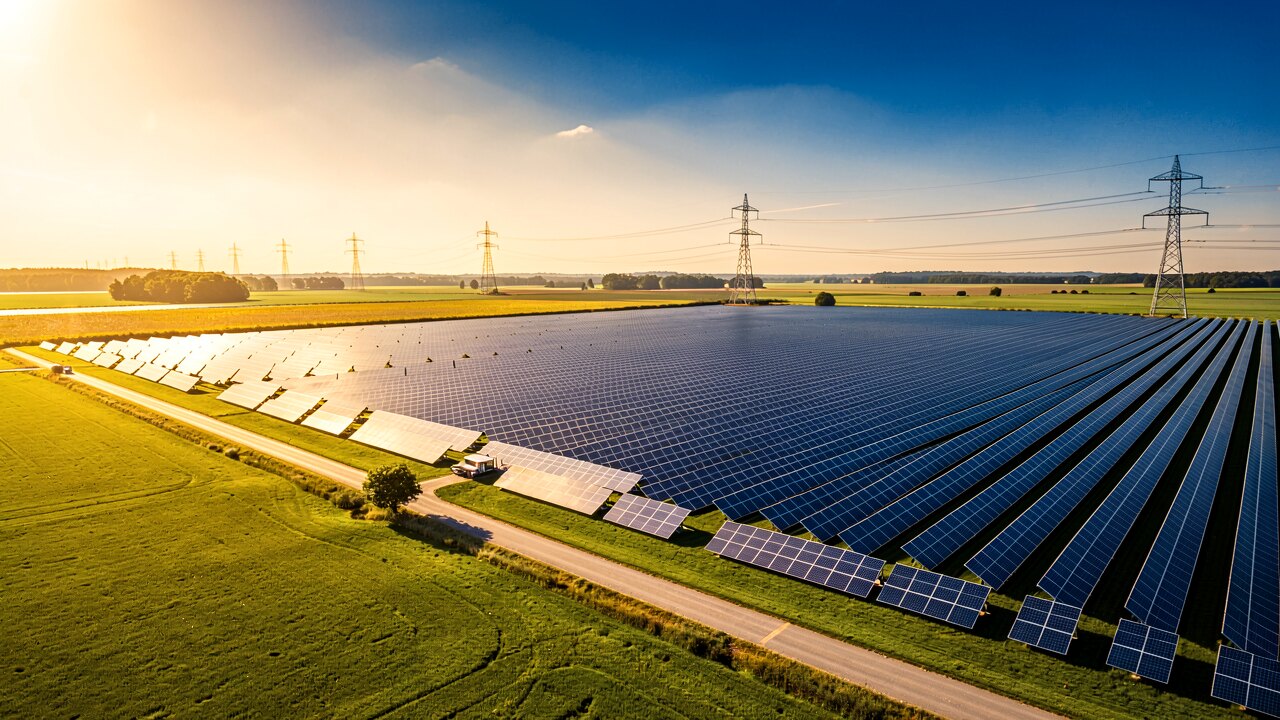
"KI Energiewirtschaft" is German for "AI in the energy industry": the use of machine learning to forecast generation and demand, balance grids, optimise trading and spot faults in energy assets. In practice it means software that learns from meter, weather and market data and turns it into decisions humans would otherwise make by hand or by rule of thumb.
AI in the energy industry means applying machine-learning models to energy data — smart-meter readings, SCADA telemetry, weather feeds and market prices — to predict, optimise or detect. It is not one product. It's a method applied to four recurring problems: forecasting (how much power will be produced or consumed), optimisation (when to buy, sell, charge or curtail), anomaly detection (what looks wrong in this asset), and automation (what should the system do without a human in the loop).
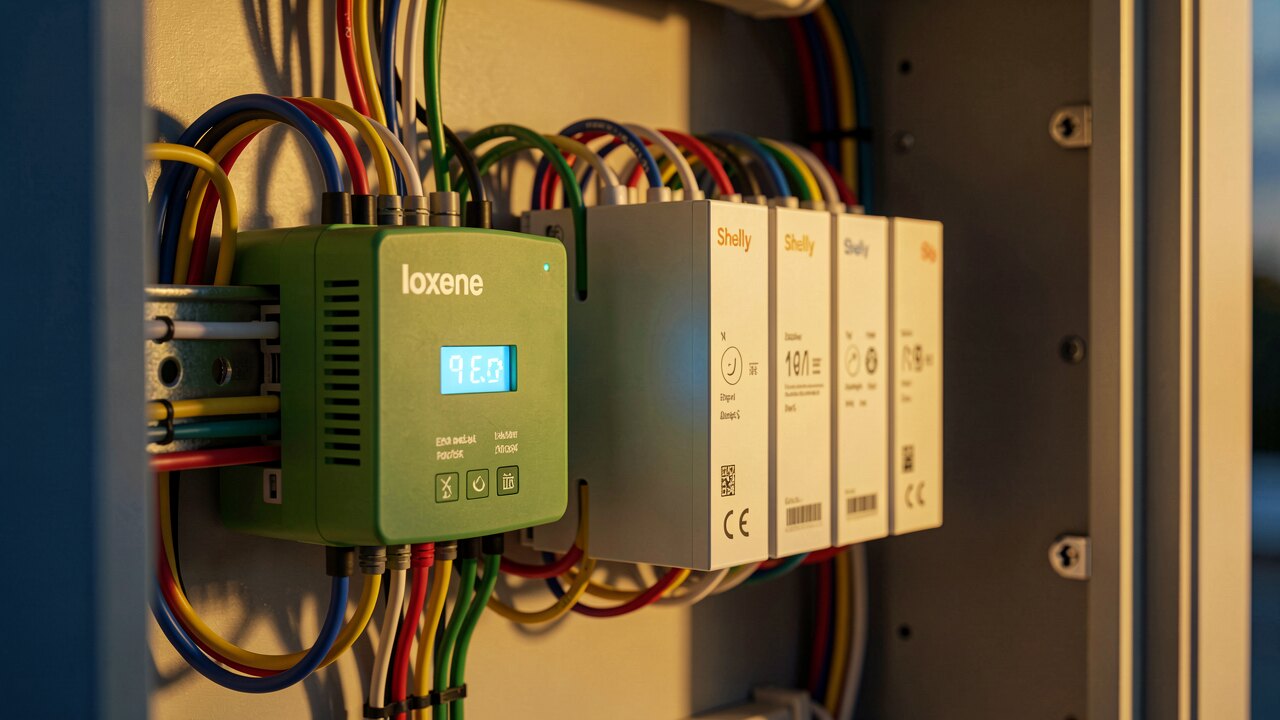
1) Generation and load forecasting: models trained on weather and historical output predict wind and solar feed-in and customer demand hours to days ahead. 2) Trading and procurement: forecasts feed bidding on day-ahead and intraday markets, where volatility rewards better predictions. 3) Grid and flexibility management: balancing feed-in against demand, dispatching batteries, shifting flexible loads. 4) Asset monitoring: detecting anomalies in inverters, transformers, CHP units or heat pumps before they become outages. If a vendor cannot name which of these four they do, they are selling a category, not a capability.
Utilities, municipal energy suppliers (Stadtwerke), grid operators and industrial energy consumers are the main adopters. The pressure is structural rather than fashionable: rising energy costs, decarbonisation targets, and the volatility that comes with a high share of renewables. A grid with large wind and solar shares has to be balanced against weather rather than against a predictable schedule, and that is a forecasting problem at a scale and speed that suits machine learning. Stromfee's own AI energy-management platform is built for exactly this set of users — energy suppliers, municipal utilities and industrial operators.
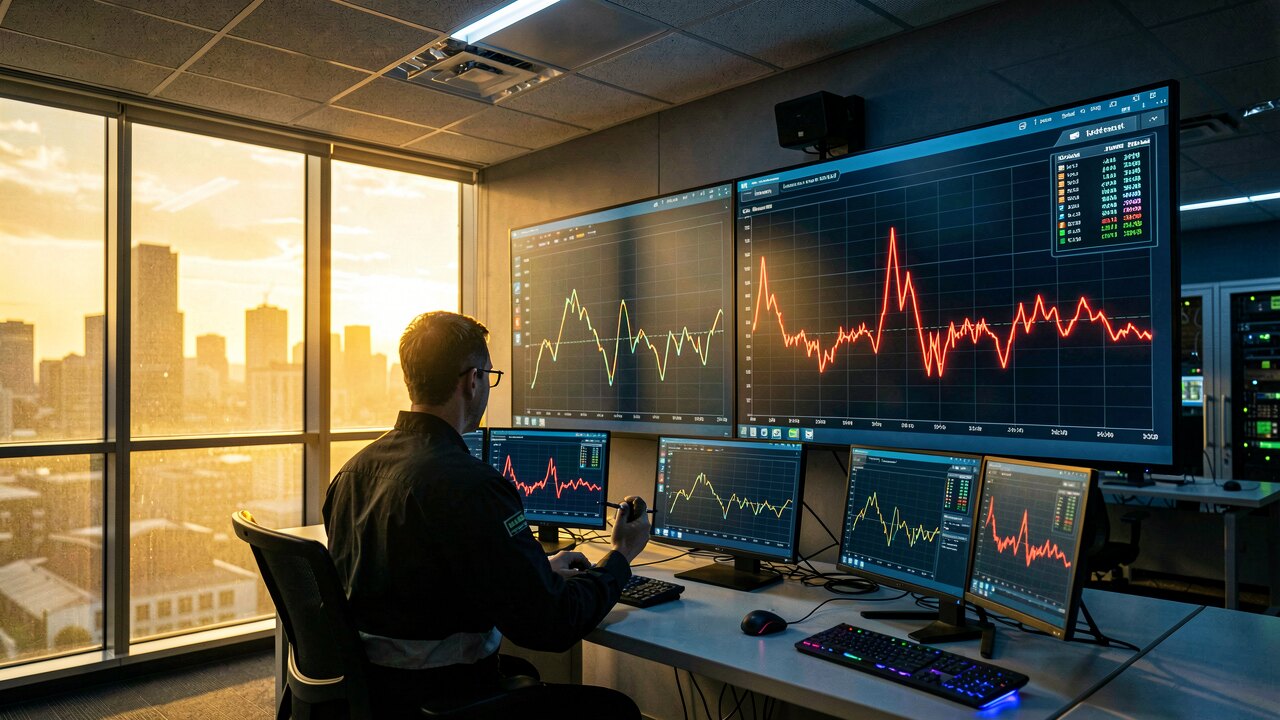
Ask for the forecast error, not the marketing claim. A credible AI energy system reports its accuracy against actuals over a defined horizon and period, shows the data it was trained on, and can be measured after the fact against what the market or the meter actually did. Stromfee reports 96.3% forecast accuracy on its live platform dashboard. Any figure like this only means something with the horizon (hour-ahead? day-ahead?), the metric, and the measurement window attached — treat a bare percentage from any vendor as unverified.
AI does not create energy or capacity; it allocates existing flexibility better. It needs granular, reliable data — if metering is coarse or gappy, no model rescues it. Forecasts fail hardest exactly when they matter most, during rare weather and market events, because rare events are underrepresented in training data. And AI itself is now an energy consumer: AI data centres draw substantial power and place their own demands on grid capacity and cooling, which is a live constraint on where they can be built in Germany. Anyone selling AI as pure efficiency gain is only showing you one side of the ledger.
Start with one measurable problem, not a platform rollout. Pick the process where a better prediction has a price attached — procurement exposure, a curtailment penalty, an unplanned outage — and check whether you already have the data at the resolution a model would need. Most failed energy-AI projects fail on data availability, not on the model. If the data exists, a forecasting pilot is comparable against a known baseline within weeks; if it doesn't, fixing metering is the actual first project.