Balcony Power Plant With Storage: Is It Worth It?
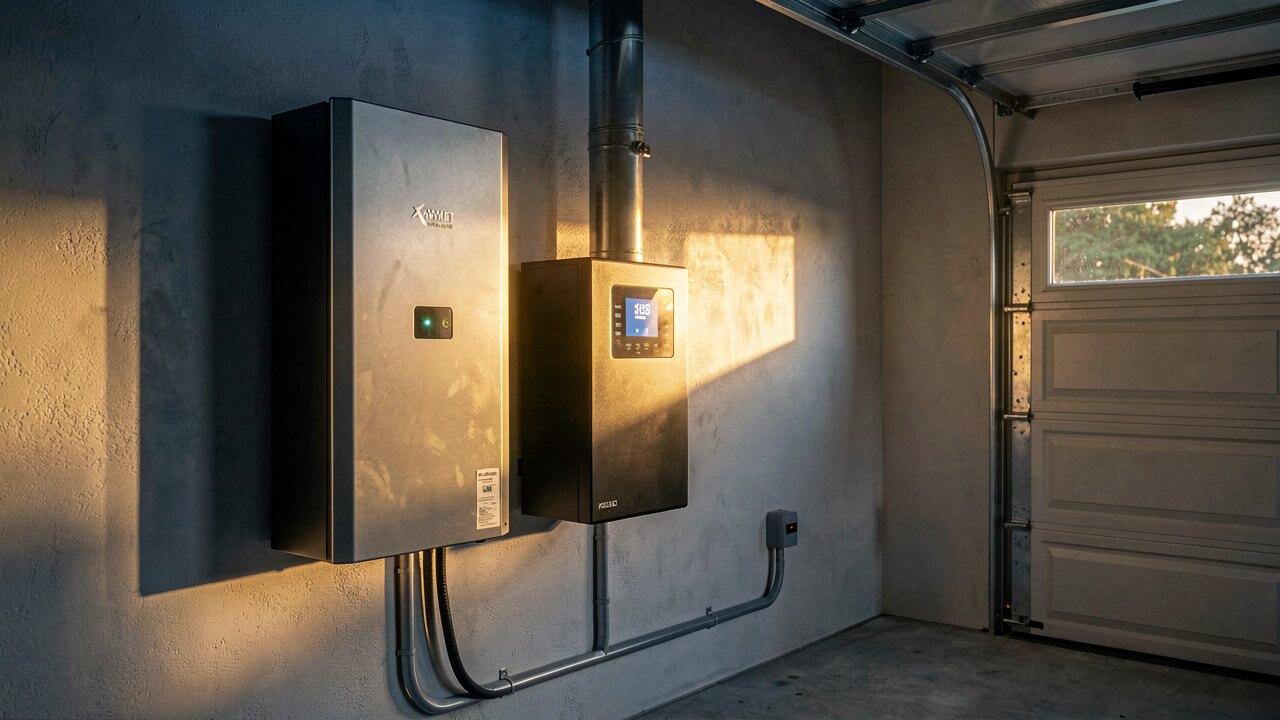
Short answer: a battery pays off if you use little electricity during the day and want to shift midday solar into the evening — otherwise the payback is long. Below is the honest math and when to skip it.
A balcony power plant with storage is worth it if you are out during the day and consume most of your power in the evening. Without a battery, any solar you don't use at that moment flows into the grid unpaid, so a battery captures that surplus for later. If someone is home all day and already uses most of the solar directly, the extra cost of storage rarely pays back within its lifetime.
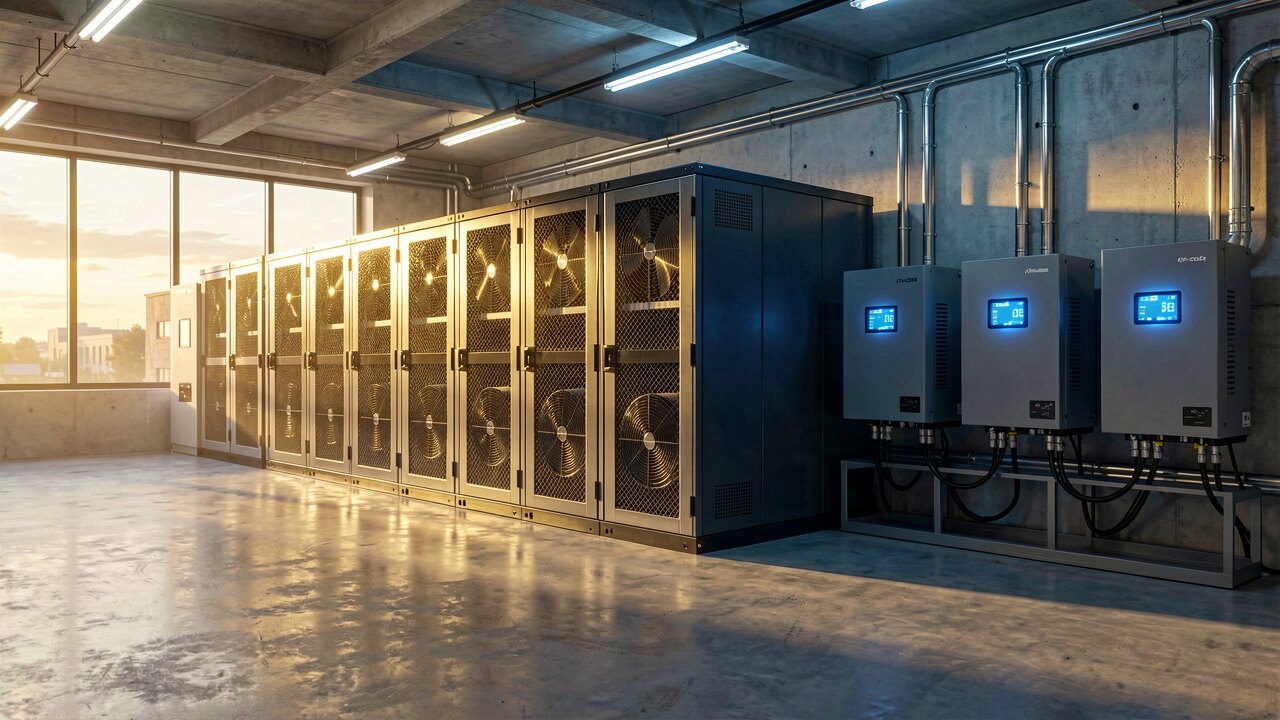
The value of a battery equals the solar energy you would otherwise export unused, valued at your grid tariff. A typical balcony setup produces most surplus around midday; a small storage of roughly 1–2 kWh covers a normal evening. The more your daily load misses the midday peak, the higher the saving. Do the check: estimate your midday surplus in kWh, multiply by your price per kWh and 365 days, then compare with the battery price plus its expected years of service.
Match capacity to your evening consumption, not to the panels. For a single household a battery around 1–2.5 kWh usually captures the realistic daily surplus of an 800 W balcony system. A larger battery costs more but sits half-empty most days, which stretches the payback instead of shortening it. Oversizing is the most common way people turn a sensible idea into a bad deal.
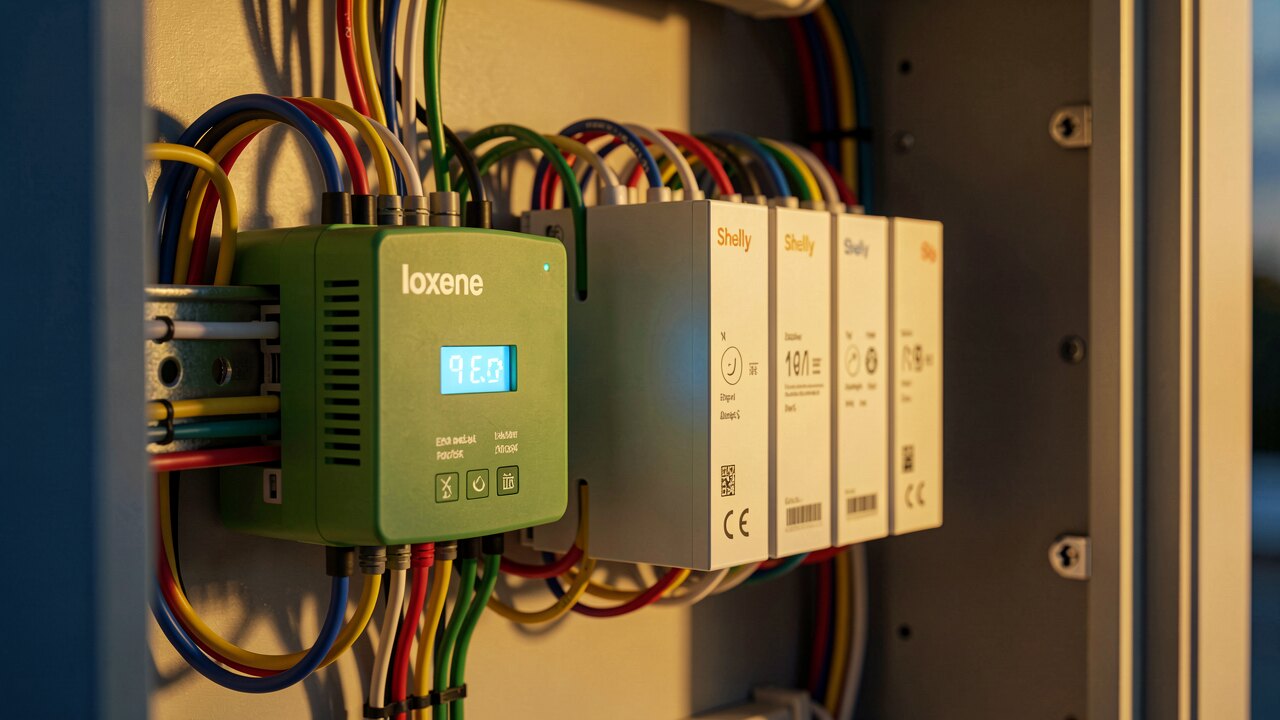
Balcony power plants may feed up to 800 VA through the inverter (raised from the earlier 600 W limit), and module capacity up to 2,000 Wp is standard — with more panels allowed as long as the 800 W feed-in cap is kept. A battery does not change these feed-in limits; it only stores what the inverter would otherwise export. Registration in the market master data register (MaStR) still applies.
Buy storage if you: work away from home, have high evening use, or want more independence from grid prices. Skip it if you: are home during daylight, have very low consumption, or want the fastest possible payback — in those cases a plain balcony plant without a battery is the better value. Renters should also confirm mounting and, where relevant, landlord agreement before adding a heavier battery unit.
Storage rarely earns money the way the panels themselves do; it mainly increases how much of your own solar you actually use. For many households the panels alone are the strong economic case, and the battery is a comfort-and-independence upgrade rather than a pure investment. Decide by your evening load, not by the marketing around record storage sales.