Best Electricity Tariff for a PV System: How to Choose

There is no single "best" tariff for every solar owner. The right choice depends on how much of your PV power you use yourself, how much you feed in, and whether you have a battery to shift energy in time.
For most PV owners, the best tariff is the one with the lowest price on the kWh you still buy from the grid, because your solar already covers a large share of your own use. If you have a battery and can move consumption or charging into cheap periods, a dynamic (hourly spot-price) tariff usually wins. Without a battery and with little control over when you consume, a low fixed-price tariff is safer.

1) High self-consumption, no battery: pick a cheap fixed tariff and minimize residual grid purchase. 2) PV plus battery: a dynamic tariff lets you charge when spot prices are low and use stored energy when they are high. 3) Large feed-in share: the tariff matters less for feed-in — that is governed by your feed-in remuneration, not your supply tariff. Choose the supply tariff purely for the grid power you still draw.

A dynamic tariff passes through the wholesale spot price, which changes every 15 minutes — up to 96 price steps per day. That is impossible to react to manually, so it only pays off if an automation or battery system shifts your load and charging into the cheapest windows. Prices can even turn negative, meaning power is briefly cheapest when solar and wind flood the grid.
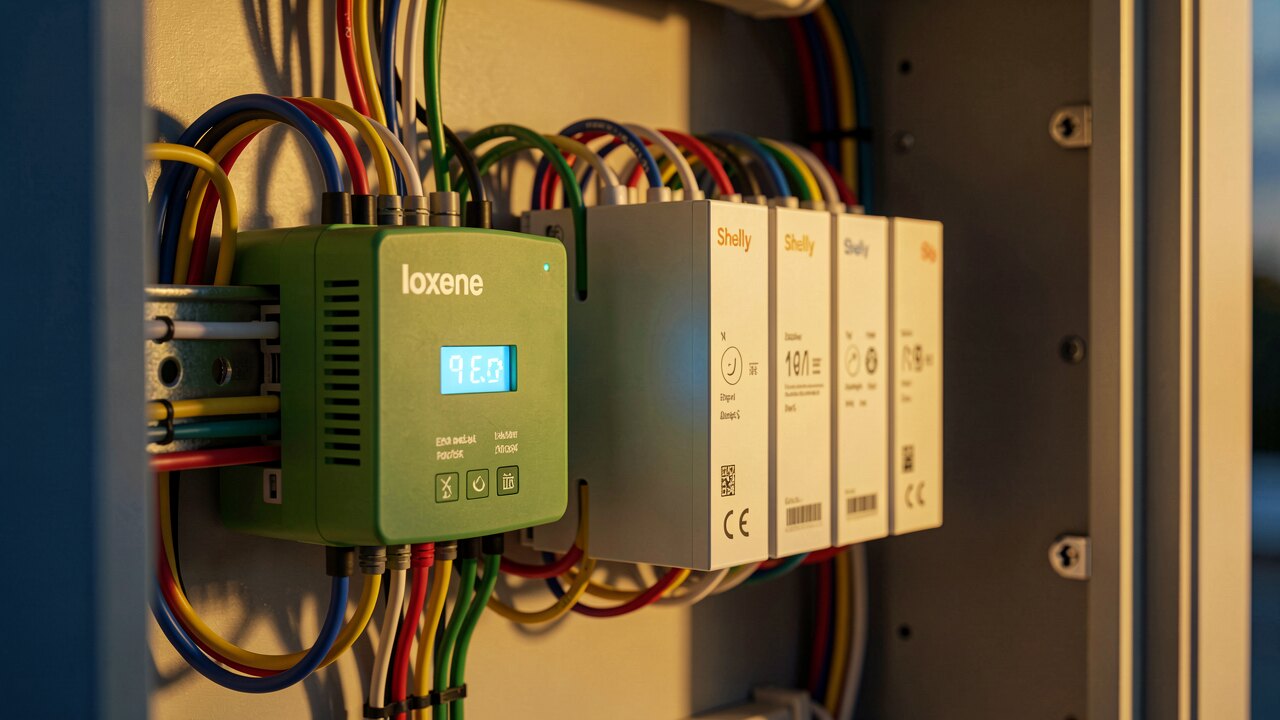
Your bill is not only the energy price. Network charges (Netzentgelte) are set by your local grid operator, and Germany has hundreds of grid operators with regionally different fees. Two households on the same energy tariff can pay different totals depending on where they live — so always compare the full price per kWh, not just the energy component.
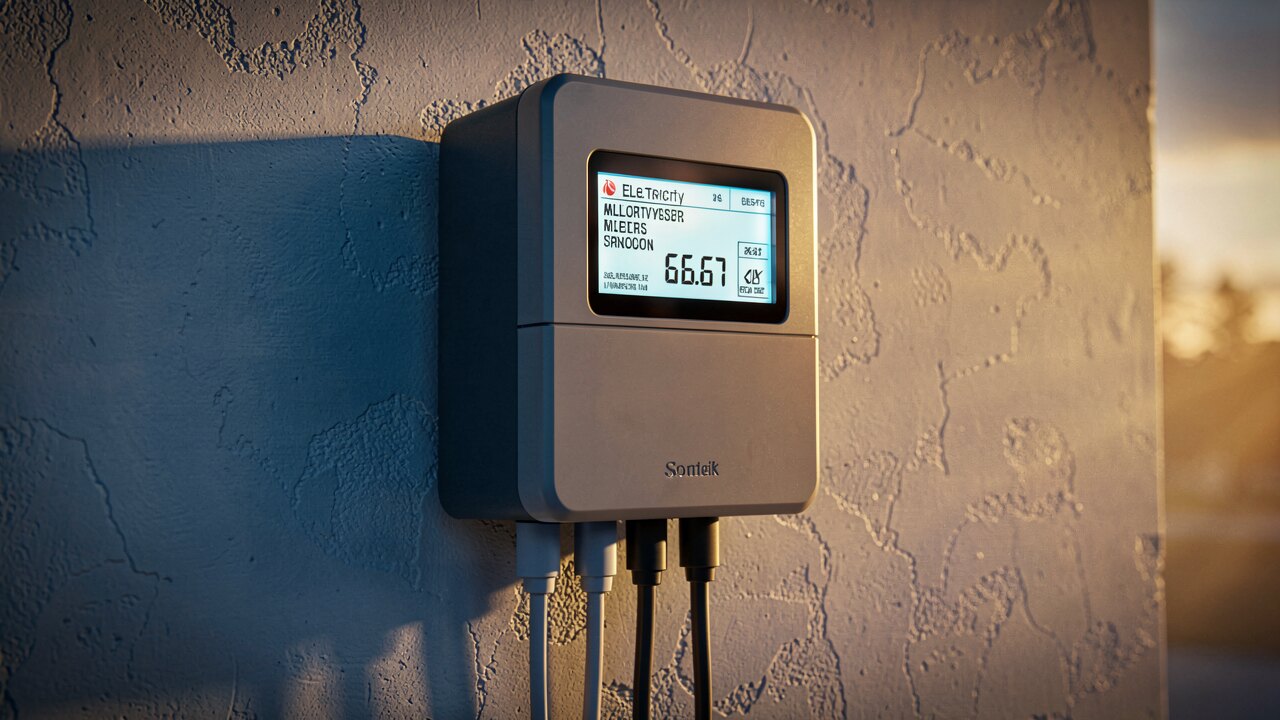
Feed-in income is separate from your supply tariff. For larger PV plants there are rules that can reduce the market premium during hours of negative spot prices (§51 EEG, depending on plant size and commissioning date). If this could affect you, check your remuneration model — it changes whether feeding in or storing power is worth more at any given hour.
Compare the total price per kWh including grid fees, taxes and levies for your postcode; check contract length and price-guarantee terms; and estimate your real residual grid purchase after self-consumption. Only then compare a fixed offer against a dynamic one for your expected load profile. The cheaper headline energy price is not automatically the cheaper yearly bill.