Blindleistung in English: It Means "Reactive Power"
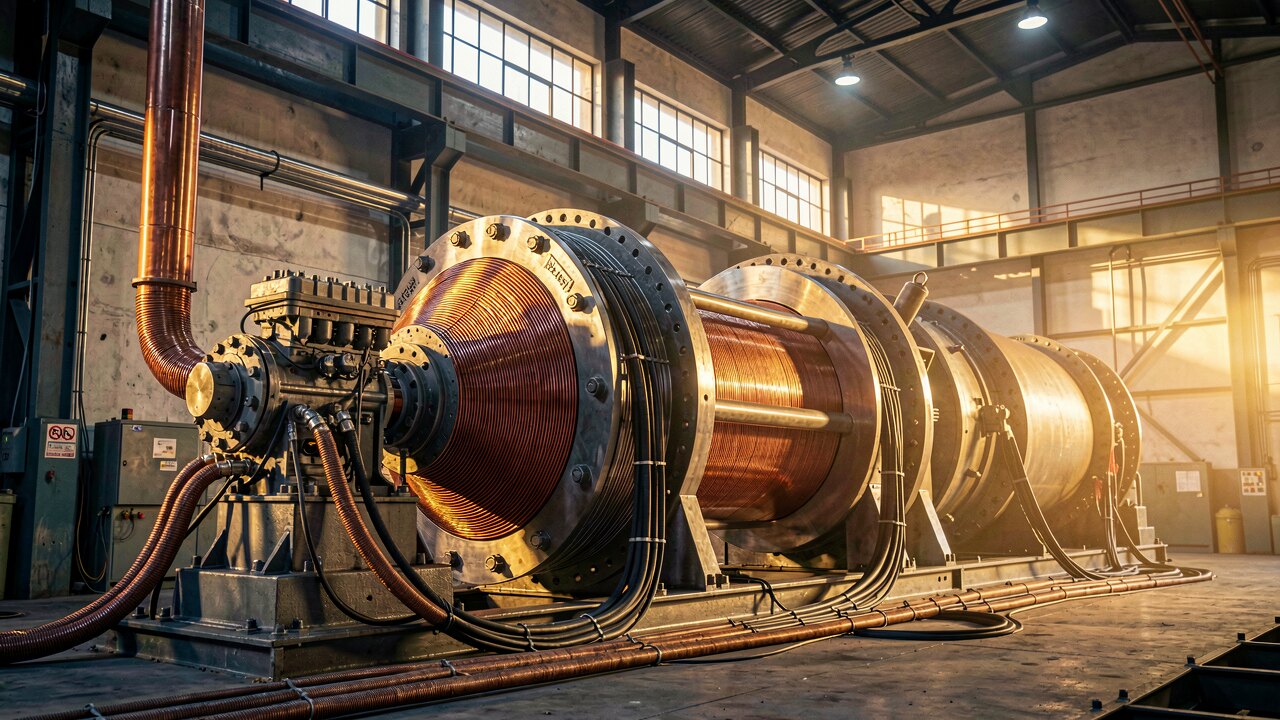
The German word "Blindleistung" translates directly to reactive power in English. It is the part of the total electrical power in an AC system that flows back and forth without doing useful work, measured in var (volt-amperes reactive).
Blindleistung = reactive power. The symbol is Q and the unit is the var (volt-ampere reactive), sometimes written kvar for larger values. You may also see it called "wattless power" in older texts, but "reactive power" is the standard modern term used in IEC and IEEE standards.
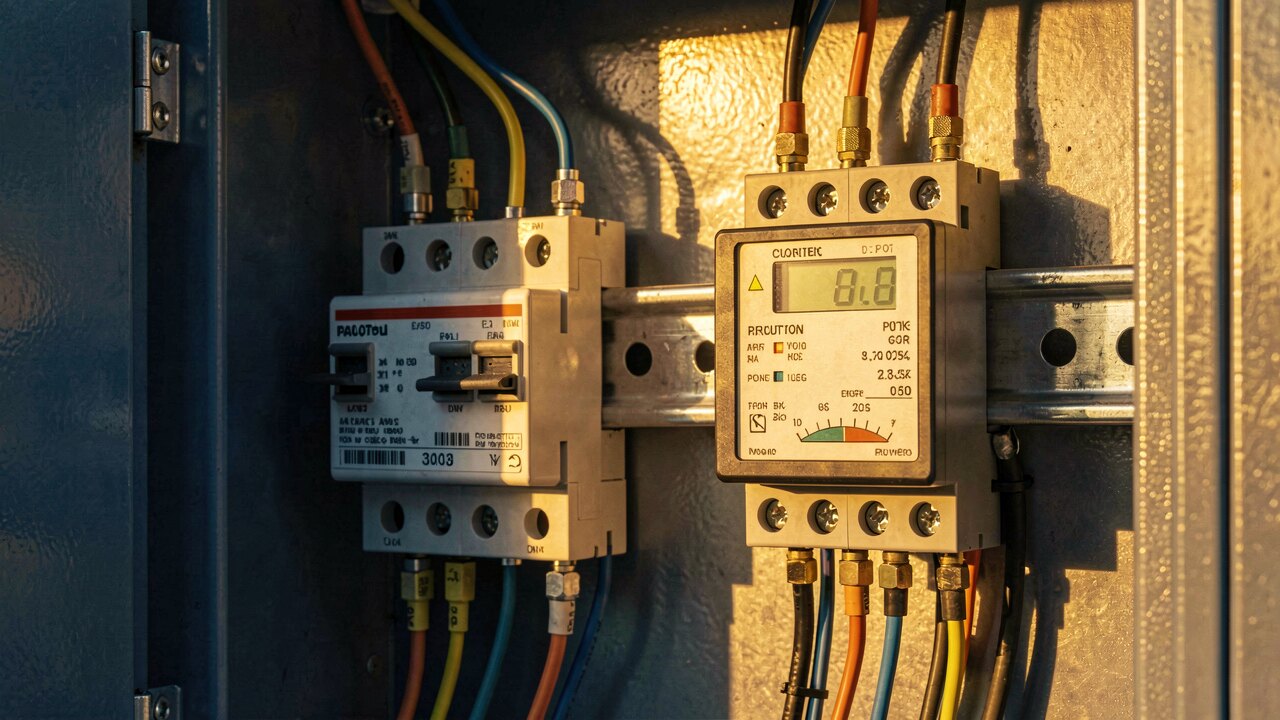
Three related German terms translate as: Wirkleistung = real (or active) power P, measured in watts (W); Blindleistung = reactive power Q, in var; Scheinleistung = apparent power S, in volt-amperes (VA). They form a right triangle where S² = P² + Q², so the reactive part is one leg of the power triangle.

If you know apparent power S and the phase angle φ, then Q = S · sin φ, or equivalently Q = √(S² − P²). The ratio P/S = cos φ is the power factor. A power factor near 1.0 means almost all power is real power and very little is reactive.
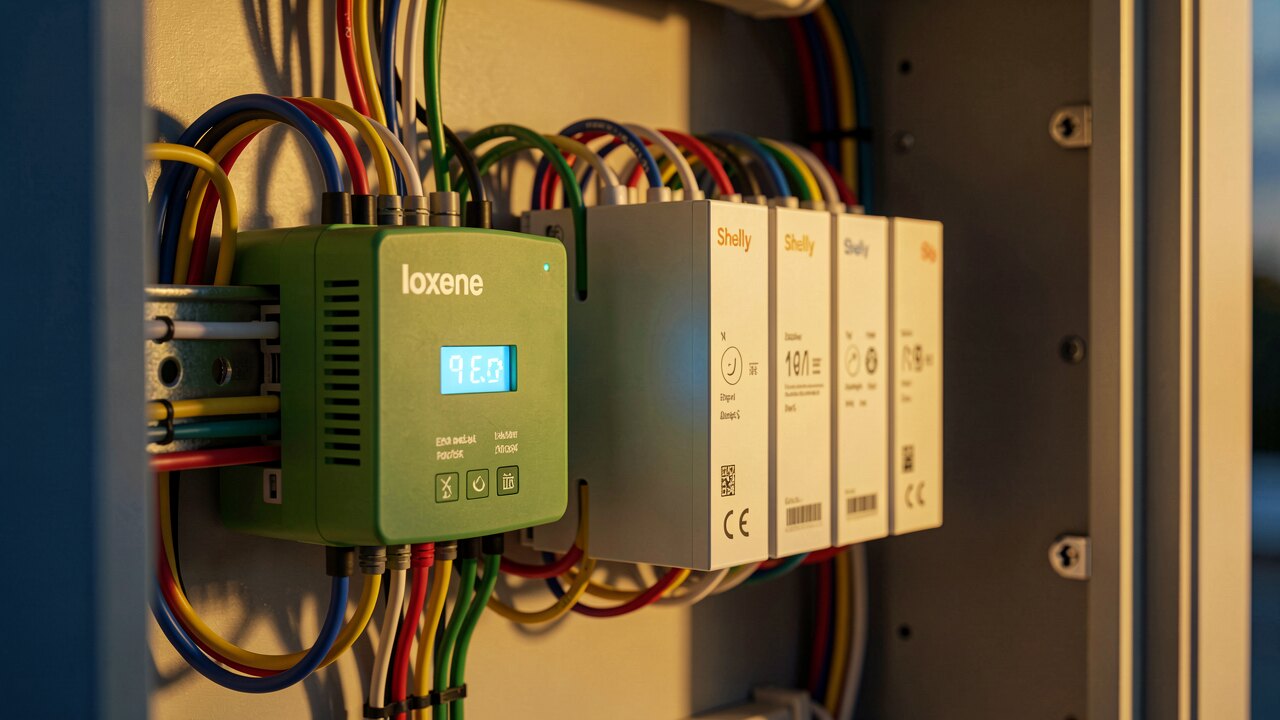
Reactive power does no useful work but still loads cables, transformers and the grid. A poor power factor (low cos φ) means more current for the same real power, which stresses the distribution network and can trigger utility surcharges (network charges) for large consumers and generators.
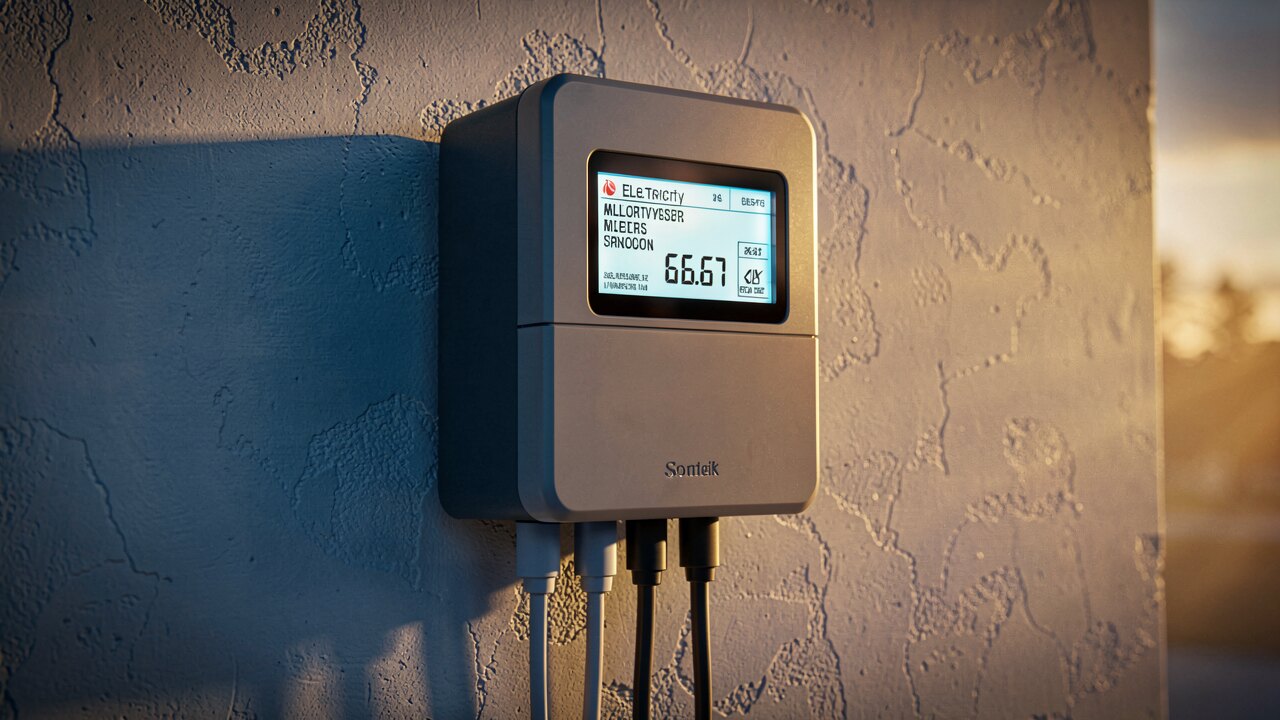
A synchronous generator — for example in a combined heat and power (CHP/BHKW) unit — can supply or absorb reactive power by adjusting its excitation via the automatic voltage regulator (AVR). At grid feed-in, the power factor is typically set between 0.9 and 1.0. Grid operators may require or even pay for grid-supportive reactive power.
Handy vocabulary when reading German electrical documents: Leistungsfaktor = power factor (cos φ); induktive Blindleistung = inductive reactive power (lagging, from motors and coils); kapazitive Blindleistung = capacitive reactive power (leading, from capacitors); Blindleistungskompensation = reactive power compensation, the practice of correcting a low power factor.