Can a PV System Run for Self-Consumption Without Any Feed-In?
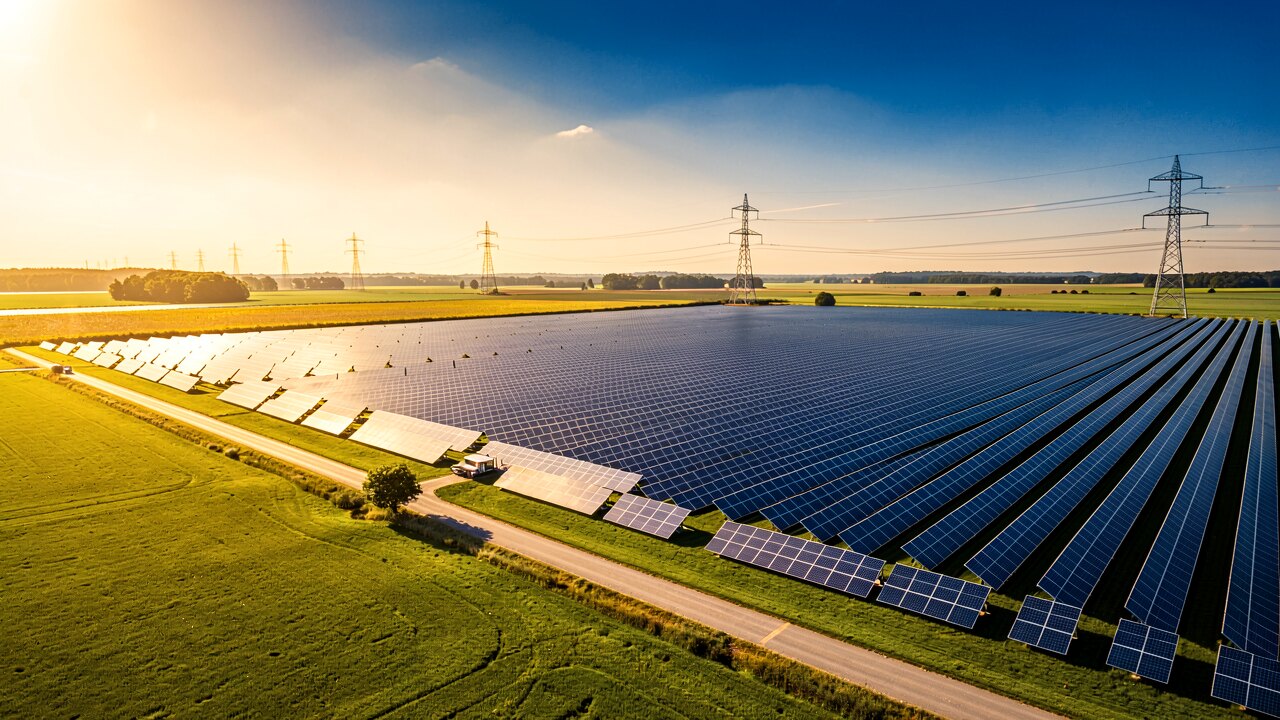
Yes. A PV system can be operated for self-consumption only, injecting zero power into the grid. This is done with an export-limiting inverter ("zero feed-in" control) that throttles production the moment output exceeds your live household demand.
You do not have to feed anything into the grid. A "zero feed-in" (zero-export) setup uses a smart meter at your grid connection point plus an inverter that ramps PV output down whenever generation would exceed what you are consuming right now. Any surplus that can't be used or stored is simply not produced (it's curtailed), so the meter at the grid point never runs backwards.
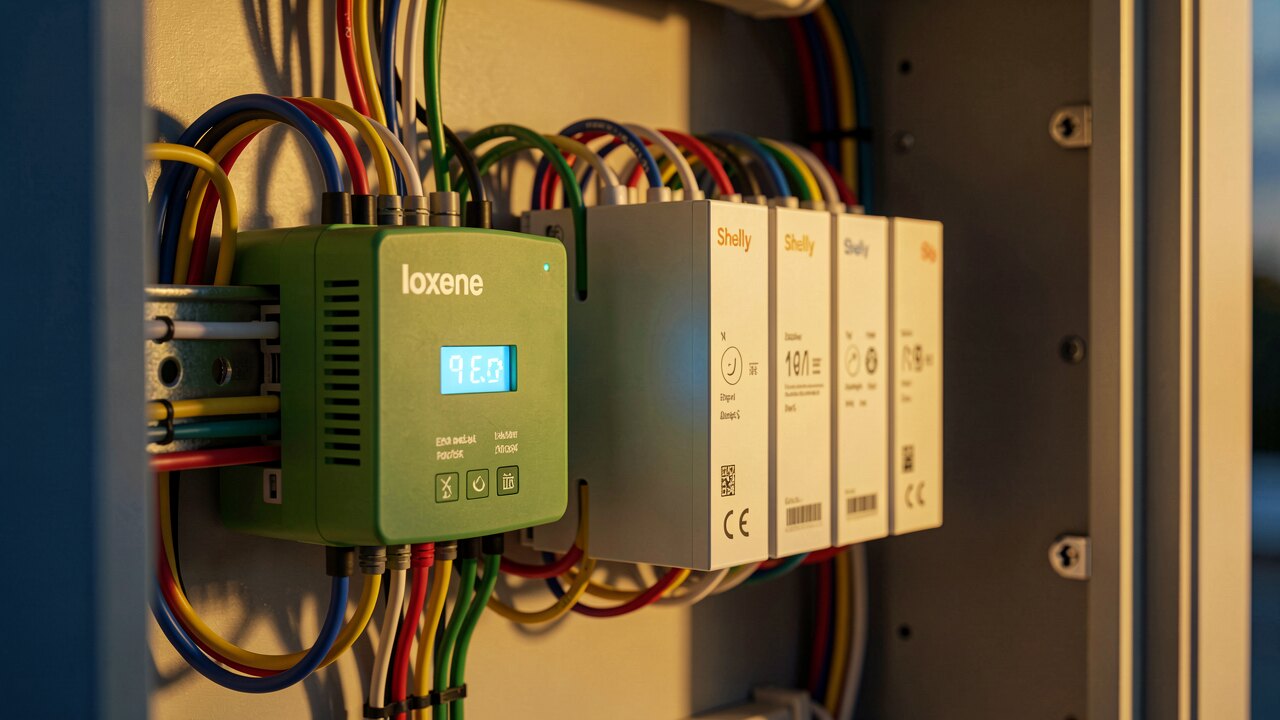
A current sensor / smart meter measures the flow at your grid connection in real time. If it detects power about to flow outward, the inverter reduces its output within seconds. Modern hybrid inverters do this automatically. The trade-off: on sunny days with low demand you leave energy on the table, because production is capped at your consumption level instead of being sold or stored.
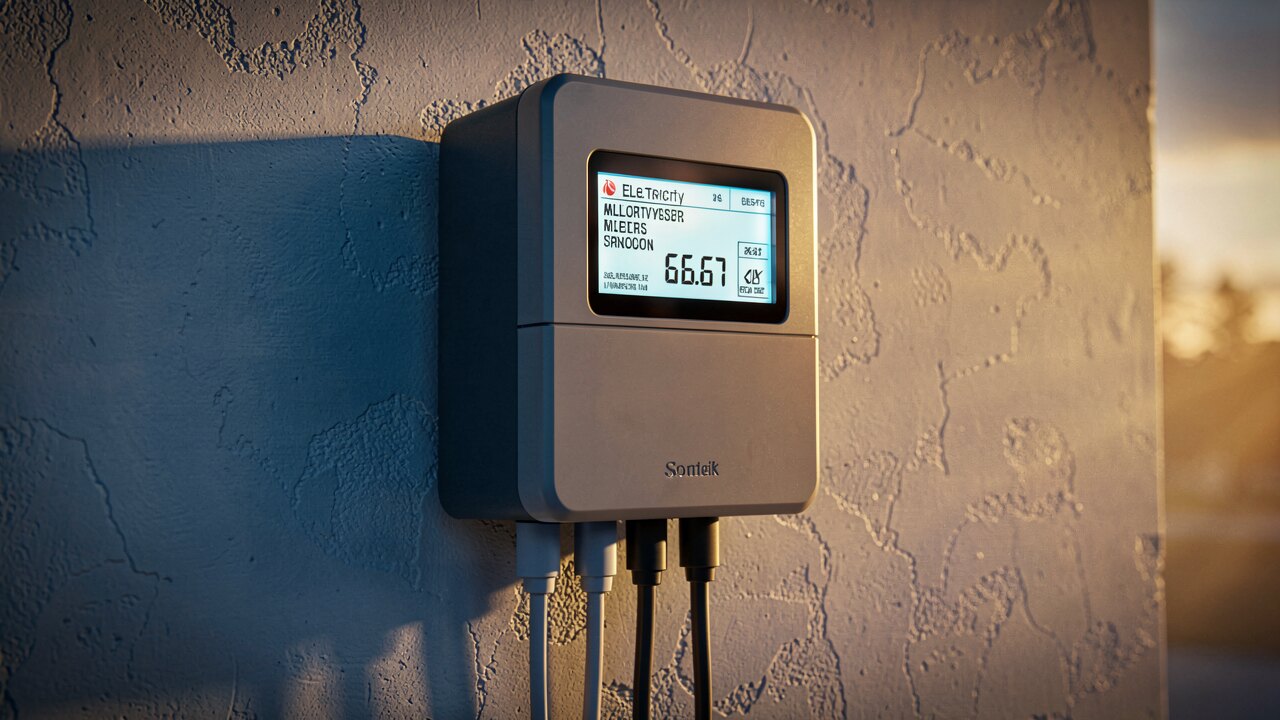
Without a battery, a typical household self-consumes only about 30% of its PV output — the sun peaks at midday, but demand peaks in the morning and evening. With a battery you charge the cheap midday surplus and use it after sunset, lifting self-consumption to 70%+ and autarky toward roughly 65%. So a battery is what makes a pure self-consumption strategy worthwhile.
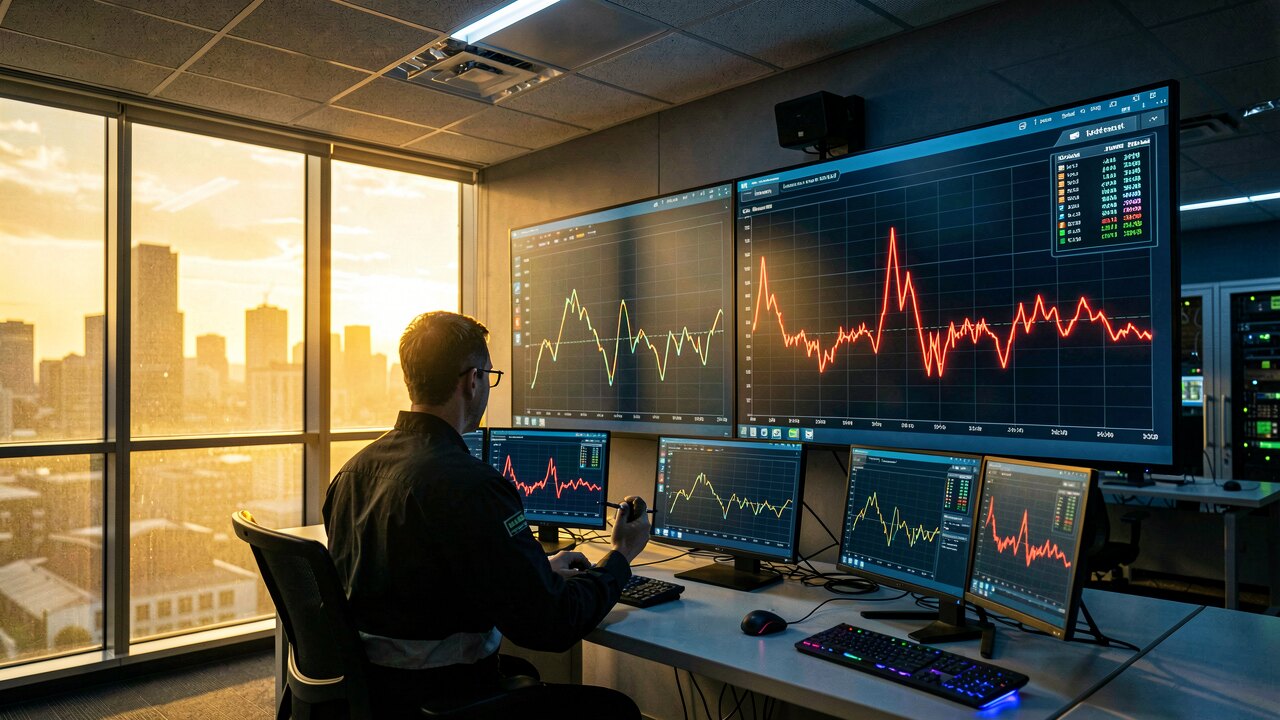
1) An inverter that supports export limitation / zero feed-in. 2) A smart meter or current sensor at the grid connection point to measure the direction of flow. 3) Optional but recommended: a battery to capture the midday surplus you would otherwise curtail. 4) Ideally a home energy manager that shifts flexible loads (heat pump, EV, hot water) into the sunny hours.
Even with zero feed-in, most grid operators still require the PV system to be registered and technically approved — "no export" is a configuration, not a way to skip registration. Requirements differ by country and utility, so confirm the exact registration and metering obligations with your local grid operator before commissioning. Note you also forgo any feed-in remuneration for the energy you curtail.
It's attractive when feed-in tariffs are low or unavailable, when connecting to the grid for export is slow or costly, or when your consumption profile (and a battery) already absorbs most of the production. If you regularly generate large surpluses with no way to store or use them, a small export allowance is usually the more economical choice than curtailing that energy.