Can I Switch On My PV System Before the Meter Is Changed?

Short version: your electrician can technically switch the inverter on, but you should not feed power into the grid until a proper bidirectional (feed-in) meter is installed and the plant is officially commissioned. Doing it too early can mean an illegally spinning old meter, or paying full retail price for your own solar power.
Technically the inverter can run once the electrician has wired and commissioned it. But grid feed-in before the meter swap is the problem, not the switching-on itself. Until the metering point operator has fitted a two-way (bidirectional) meter, any surplus you export is not measured correctly — so the safe rule is: no export before the new meter, or a documented zero-feed-in setup only.
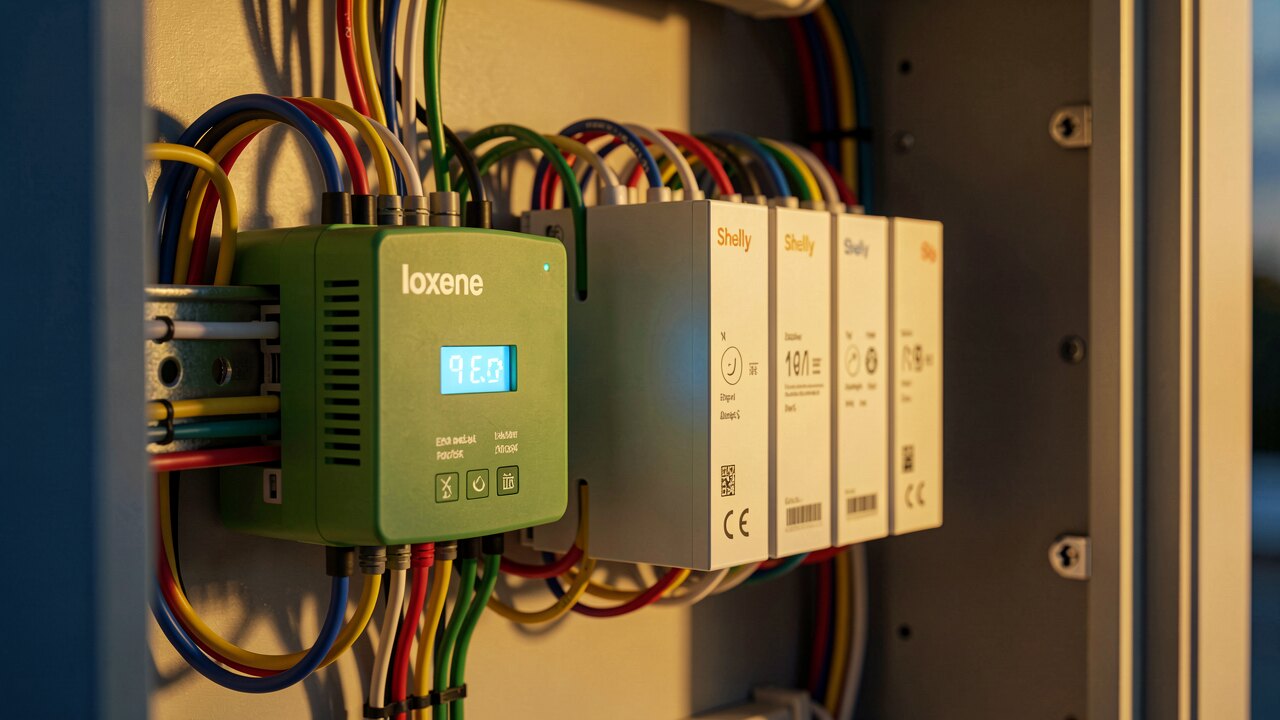
An old mechanical Ferraris meter physically runs backwards when you export power. That is not allowed and can be treated as meter manipulation, even if unintentional. A modern digital meter without a return path (no feed-in register) does the opposite: it counts your exported solar as if it were consumption, so you literally pay your utility for electricity you produced yourself. Neither outcome is in your favour.
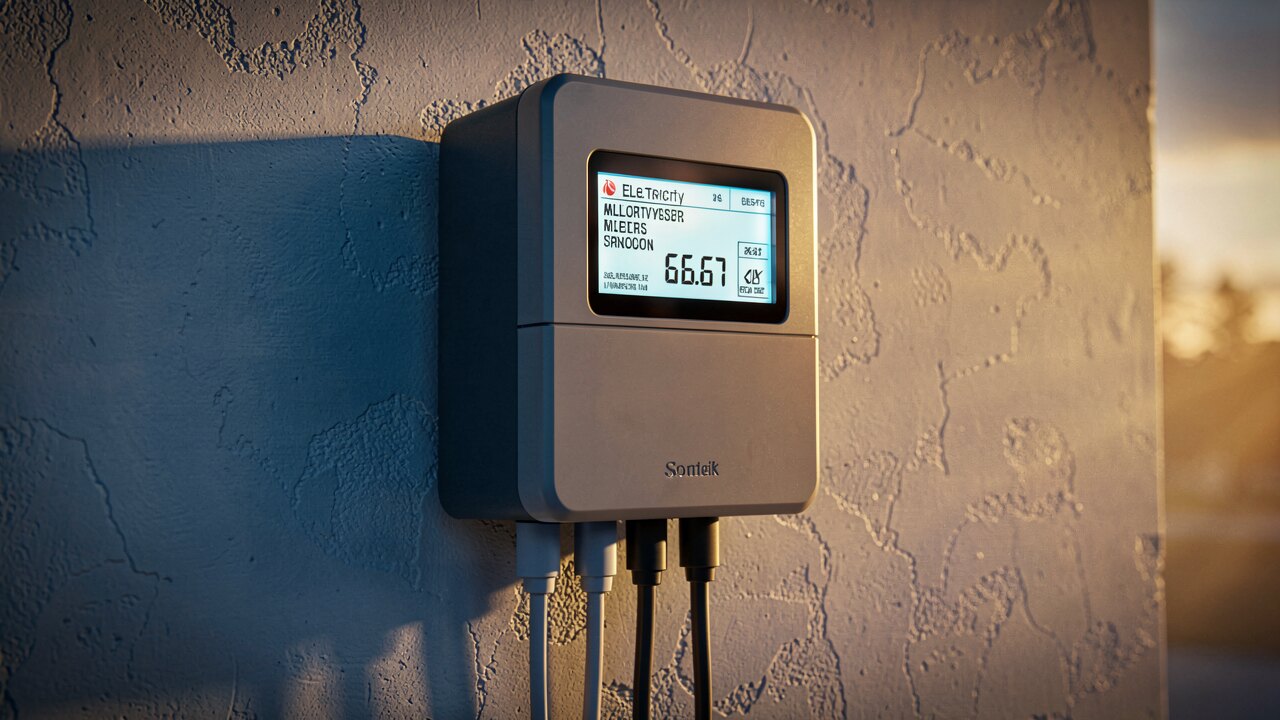
The critical distinction is what happens with surplus. If the system is set to zero feed-in (Nulleinspeisung) so that nothing ever reaches the grid, self-consumption behind the meter is generally uncritical. The moment surplus can flow back into the public grid with the wrong meter in place, you enter the risky zone described above. Ask your installer explicitly which mode the inverter is in before you leave it running.

Standard sequence in Germany: (1) installer completes and tests the system, (2) the grid operator (Netzbetreiber) is notified before commissioning, (3) the metering point operator installs or reprograms the meter to a bidirectional feed-in meter, (4) the plant is officially commissioned, (5) you register it in the Marktstammdatenregister — this registration is due within one month of commissioning. Only after the correct meter is in place should surplus be exported.
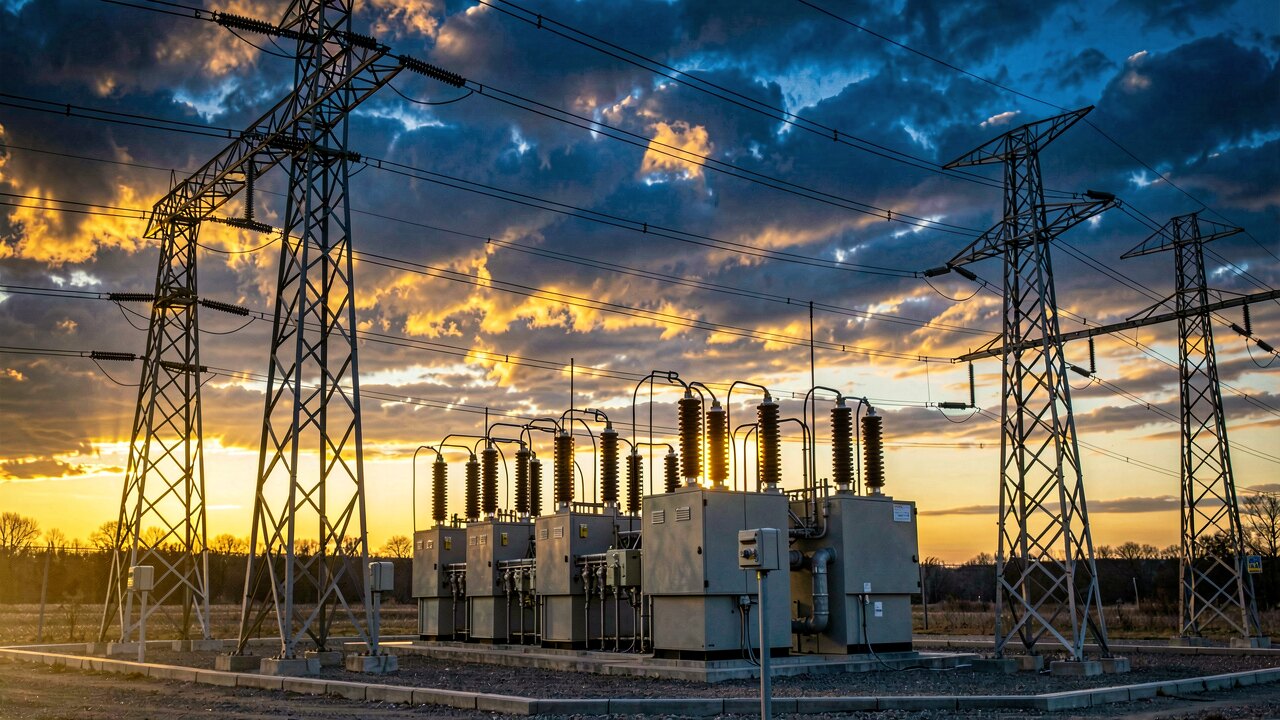
You do not swap the meter yourself. The metering point operator (Messstellenbetreiber), usually coordinated via your grid operator, is responsible for installing the bidirectional meter after your installer files the commissioning notification. Timelines vary by region, so plan for a gap between physical installation and the meter appointment — and treat that gap as a no-export window unless zero feed-in is confirmed.
If you want to use solar during the waiting period, have your installer confirm a verified zero-feed-in configuration so surplus is curtailed rather than exported. Keep the commissioning notification and any correspondence with the grid operator on file. If you are unsure whether your current meter counts export as consumption, do not export at all until the new meter is confirmed — it is cheaper to wait than to pay for your own power.