Can You Bypass a PV Curtailment by the Grid Operator?

No — deliberately circumventing a grid operator's curtailment signal is not a legal option in Germany, and it puts your feed-in payments and your grid connection contract at risk. What you can legally do is stop losing money on it: claim compensation for the curtailed energy, store or self-consume the power instead, and make sure your control hardware is not curtailing you unnecessarily.
Your PV system is connected under a grid connection contract that obliges you to accept remote control by the grid operator (Netzbetreiber). Bypassing that — disconnecting or manipulating the ripple control receiver, faking the control signal, feeding in behind the control point — is a breach of that contract, not a grey area. Realistic consequences are the loss of remuneration for the affected energy, warning and sanction letters, liability for grid damage, and in serious cases termination of the connection agreement. Note the difference: switching your own inverter off, or running it in island/backup mode during a grid fault, is not a bypass. Overriding a curtailment command while staying connected is.
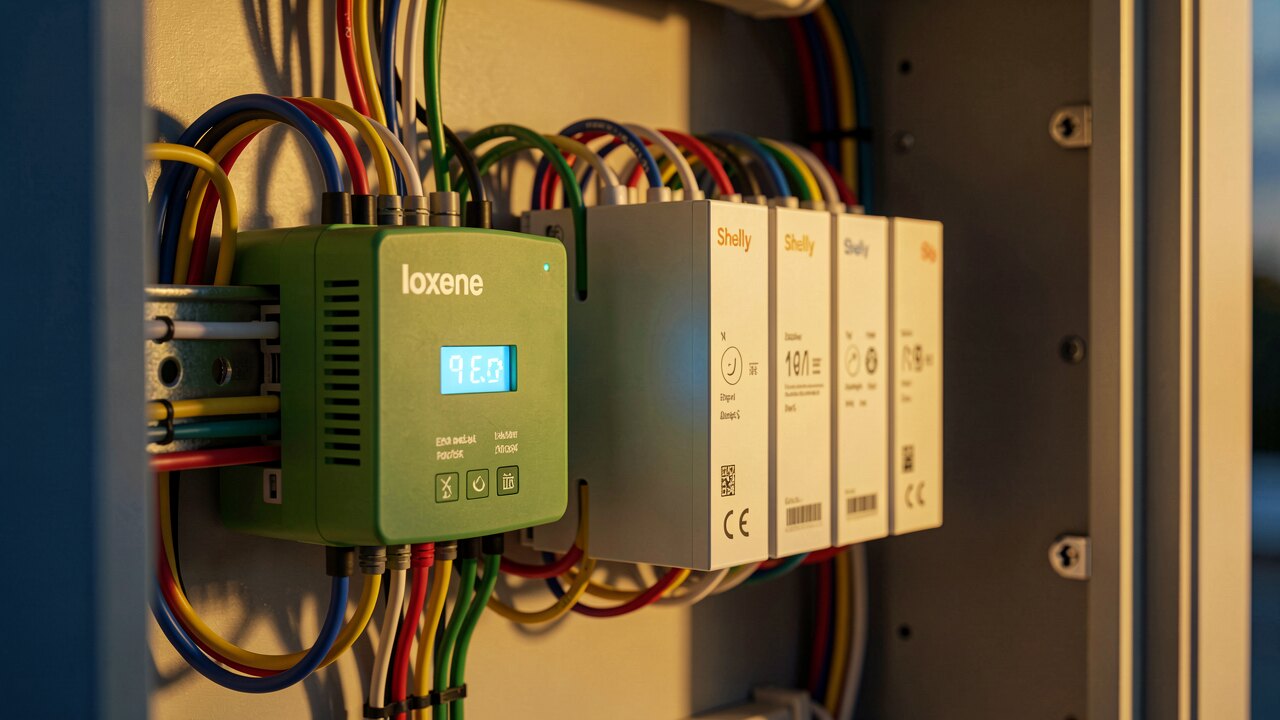
When the grid in your area is at capacity — typically midday, when everyone's PV peaks at once — the operator reduces or stops your feed-in. The command reaches your plant through the remote control path: a radio ripple control receiver (Funkrundsteuerempfänger) or a modern control box, which throttles the inverter to a set output level. This is grid-related curtailment; it is not a penalty and it is not a fault on your side. Larger plants are handled under redispatch rules, smaller ones through fixed control stages. The energy you would have produced in that window is the loss you should be chasing.
For grid-related curtailment, you are entitled to compensation for the energy you could not feed in. The catch: it is no longer paid out to you automatically — you have to demand it yourself, with evidence. Practically that means: log the curtailment events (timestamp, duration, control stage), record the actual output of your inverter, calculate the shortfall against what the plant would have produced in the same conditions, and submit that claim in writing to the grid operator with a deadline. Keep your own data — do not rely on the operator's records to reconstruct events months later.
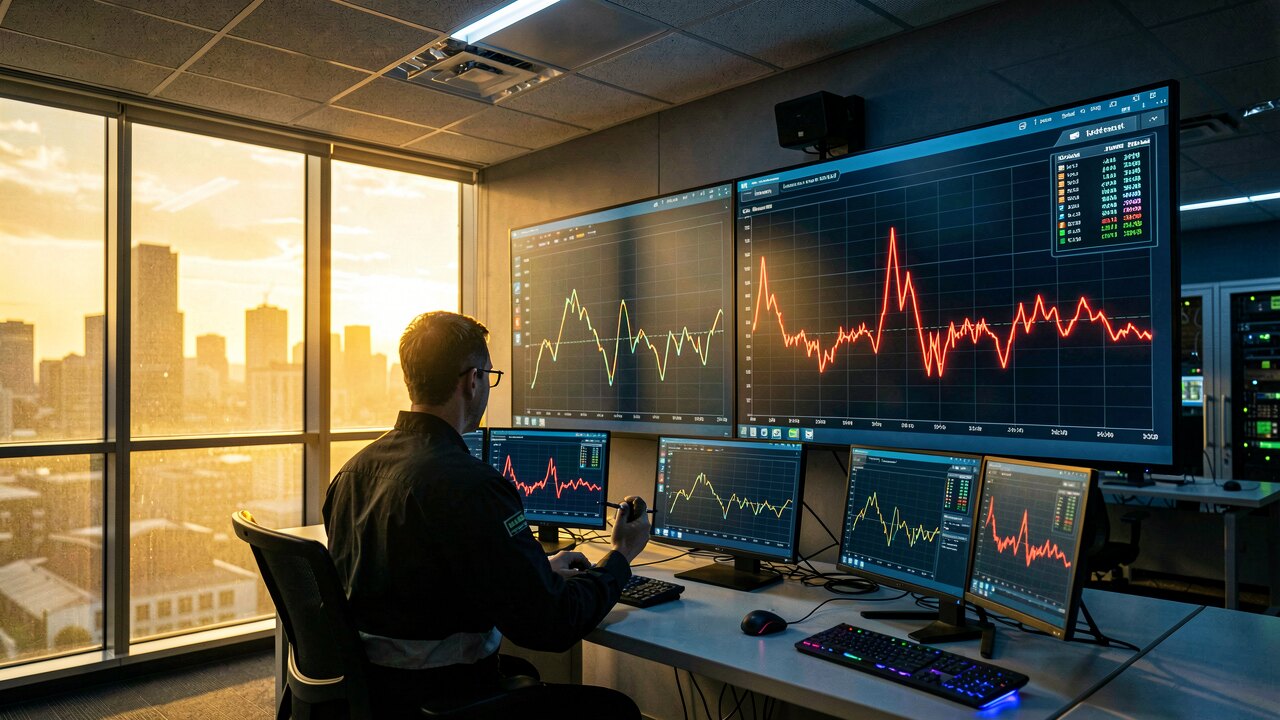
Curtailment limits what you may push into the grid, not what you may use behind your own meter. A battery storage system charged during the curtailment window turns lost kilowatt-hours into usable ones. So does shifting flexible loads into the midday peak: heat pump, hot water, EV charging, dryers, process loads on a farm or workshop. This is the only genuinely effective way to 'get around' curtailment — you are not evading the signal, you are making it irrelevant to your yield. Size the storage to your actual curtailment pattern, not to a brochure figure.
A surprising share of 'permanent curtailment' is a hardware problem, not a grid problem. A defective or badly mounted radio ripple control receiver can leave the plant stuck at a reduced stage, or make it fail to respond at all — which triggers sanction letters from the operator. Symptoms: output capped at a suspiciously constant level, curtailment at times when the grid is clearly not congested, or reduction that never lifts. Have the receiver's signal reception and the inverter's control wiring checked, and compare the commanded stage against the inverter's actual behaviour.
Whatever route you take, the evidence is the same: continuous inverter logs at fine resolution, the curtailment commands received and their stages, meter readings for feed-in and self-consumption, and irradiation or reference-plant data for the same period. Without that you cannot quantify the shortfall, and an unquantified claim gets rejected. If your monitoring only stores daily totals, upgrade it before the next high-curtailment season — retroactive proof is the part nobody can fix for you.