Can You Claim Compensation When Your UK Solar Farm Is Curtailed?
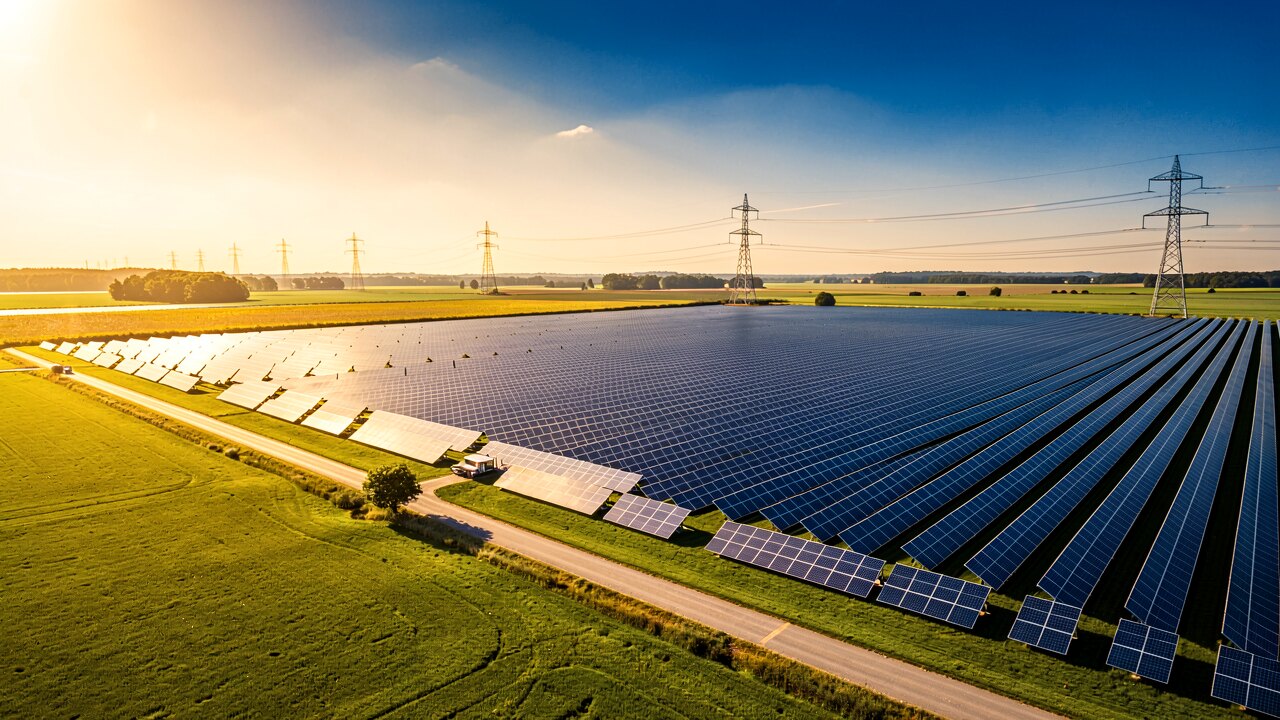
There is no automatic, statutory compensation for a curtailed solar farm in Great Britain — whether you get paid depends on how your site participates in the electricity market. If your plant is in the Balancing Mechanism and its bid to reduce output is accepted, you are paid; if you have a non-firm connection and no route to market, curtailment is usually an unpaid loss.
Curtailment in GB is not a compensable 'claim' you file after the fact. You are paid only if you are set up to be paid before curtailment happens. Two main cases give you revenue: (1) your site is a registered Balancing Mechanism Unit (directly or via an aggregator) and the National Energy System Operator (NESO) accepts a 'bid' to turn you down, or (2) your contract with a supplier/optimiser or connection agreement specifically provides for curtailment payments. Outside these cases — most notably a flexible or non-firm grid connection — you typically bear the lost generation yourself.
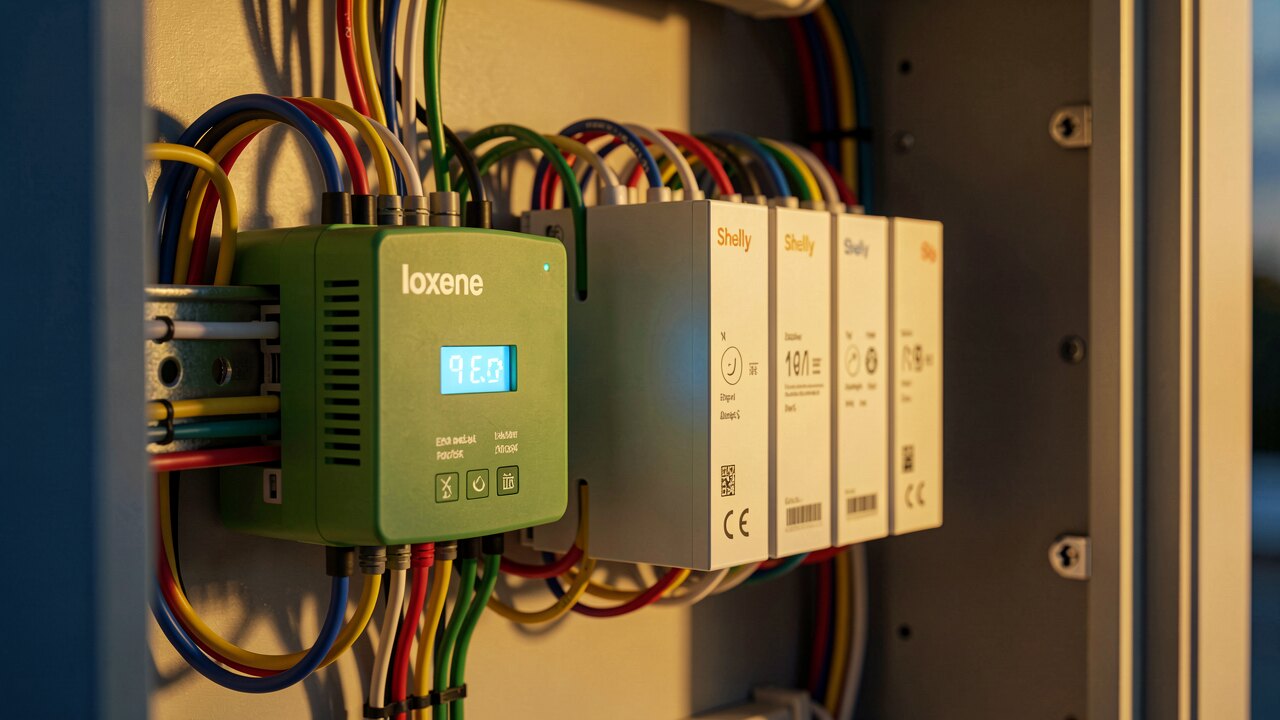
Transmission-level and larger distribution-connected plants can join the Balancing Mechanism, where NESO instructs generators up or down to manage constraints. When your accepted bid reduces output, you receive the bid price for the energy you did not generate. Independent solar farms usually reach the Balancing Mechanism through a Virtual Lead Party (an aggregator/optimiser) rather than registering directly, because the metering, dispatch and settlement requirements are demanding. Ask your PPA provider or optimiser whether your site is BM-registered and what your bid strategy is.
The most common reason solar farms lose money to curtailment without payment is a non-firm / flexible connection, often managed by the DNO through Active Network Management (ANM). These connections are usually offered on the basis that curtailment can happen at no cost to the network operator — you accepted a cheaper, faster connection in exchange for accepting unpaid curtailment. Small sites that are not in the Balancing Mechanism and have no explicit contractual compensation term are also generally uncompensated when the network constrains them.

Before assuming anything, check whether your connection is 'firm' or 'non-firm', and whether it references ANM or a curtailment cap. A firm connection gives you defined capacity rights; a non-firm one lets the operator curtail you under stated conditions, usually without payment. The agreement, plus your DNO's ANM scheme documents, tells you the rules that apply to your site — this is the single document that determines whether a compensation route even exists for you.
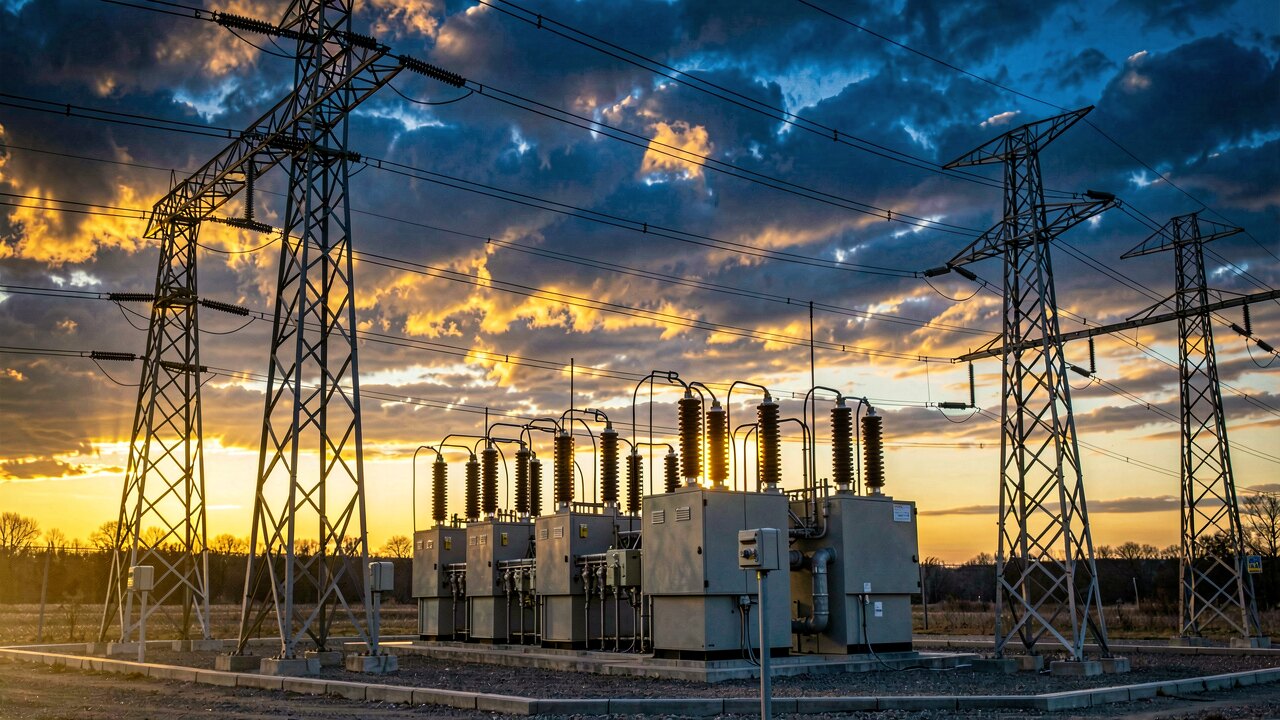
1) Locate your connection agreement and identify firm vs non-firm status and any ANM/curtailment terms. 2) Ask your PPA/optimiser whether your site participates in the Balancing Mechanism, directly or via a Virtual Lead Party. 3) If you are non-firm and not in the BM, ask about adding a route to market or, where available, applying for firm capacity. 4) Log every curtailment event (time, duration, instructing party, lost MWh) so you can verify settlement and support any contractual claim. 5) For borderline cases, seek advice from a licensed energy consultant or your network operator rather than assuming a payment is due.
Across renewables-heavy grids, curtailment is climbing as solar and wind penetration outpaces network capacity. Rather than losing curtailed energy, a co-located battery storage system (BESS) can absorb output that would otherwise be turned down and shift it to higher-price periods, turning a pure loss into an arbitrage opportunity. This changes the economics of your connection independently of whether curtailment itself is compensated.