Can You Retrofit Battery Storage to an Existing PV System?
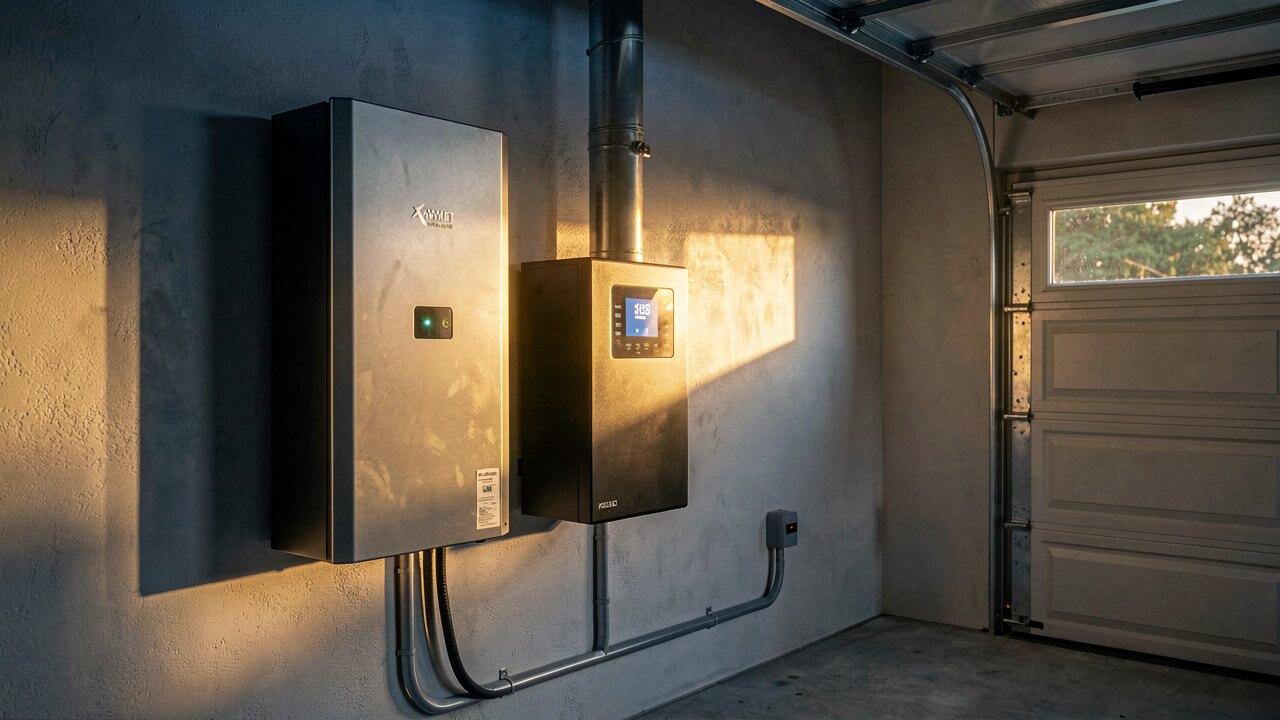
Yes — almost any grid-connected PV system can be retrofitted with a battery, and you don't need to replace your existing panels to do it. The key question is only whether you keep your current inverter (AC coupling) or replace it (DC coupling).
An existing photovoltaic system can be upgraded with storage without touching the modules on your roof. The battery is added to the system's electrical side, not the panels. The main decision is the coupling type: AC coupling adds a separate battery inverter alongside your existing PV inverter, while DC coupling replaces your inverter with a hybrid model. AC coupling is the usual choice for a true retrofit because it leaves your working PV inverter in place.
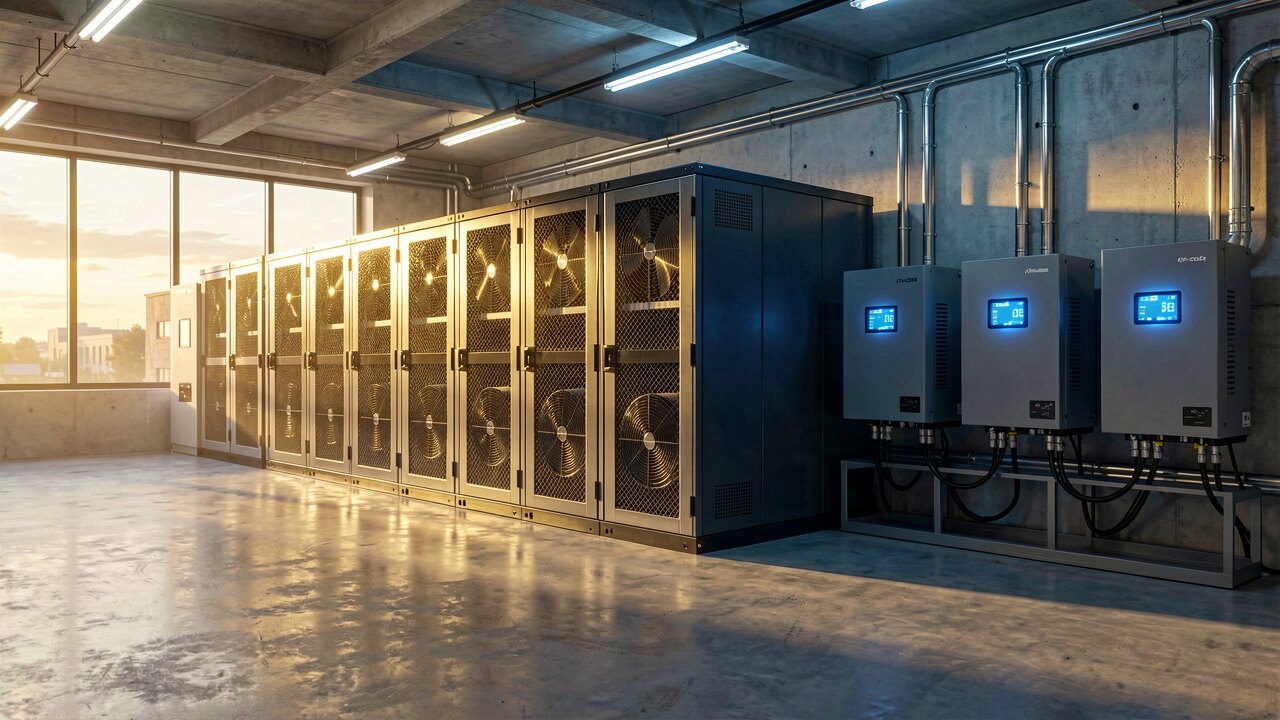
AC coupling: the battery has its own inverter and connects to the household AC circuit. It works with almost any existing PV inverter regardless of brand, and installation is simpler because your current setup stays untouched. DC coupling: a hybrid inverter replaces your PV inverter and manages both panels and battery on the DC side, which is slightly more efficient but means swapping a component that already works. For adding storage years after the PV install, AC coupling is typically the pragmatic route.
1) Have an electrician check your existing inverter, meter cabinet, and free capacity. 2) Choose battery capacity based on your real consumption, not panel size (see the sizing section). 3) Pick AC or DC coupling. 4) The installer mounts the battery and battery inverter, wires them into the distribution board, and adds an energy meter. 5) The system is registered with your grid operator and the market master data register, as any storage addition must be. 6) Commissioning and configuration of the self-consumption logic.
Size the battery to your consumption, not to how many panels you have. A common rule of thumb for a household is roughly 1 kWh of usable storage per 1,000 kWh of annual electricity use, which lands most homes between 5 and 10 kWh. Oversizing wastes money because the extra capacity rarely fills; undersizing means you still buy grid power in the evening. Check your annual kWh on your electricity bill before deciding.
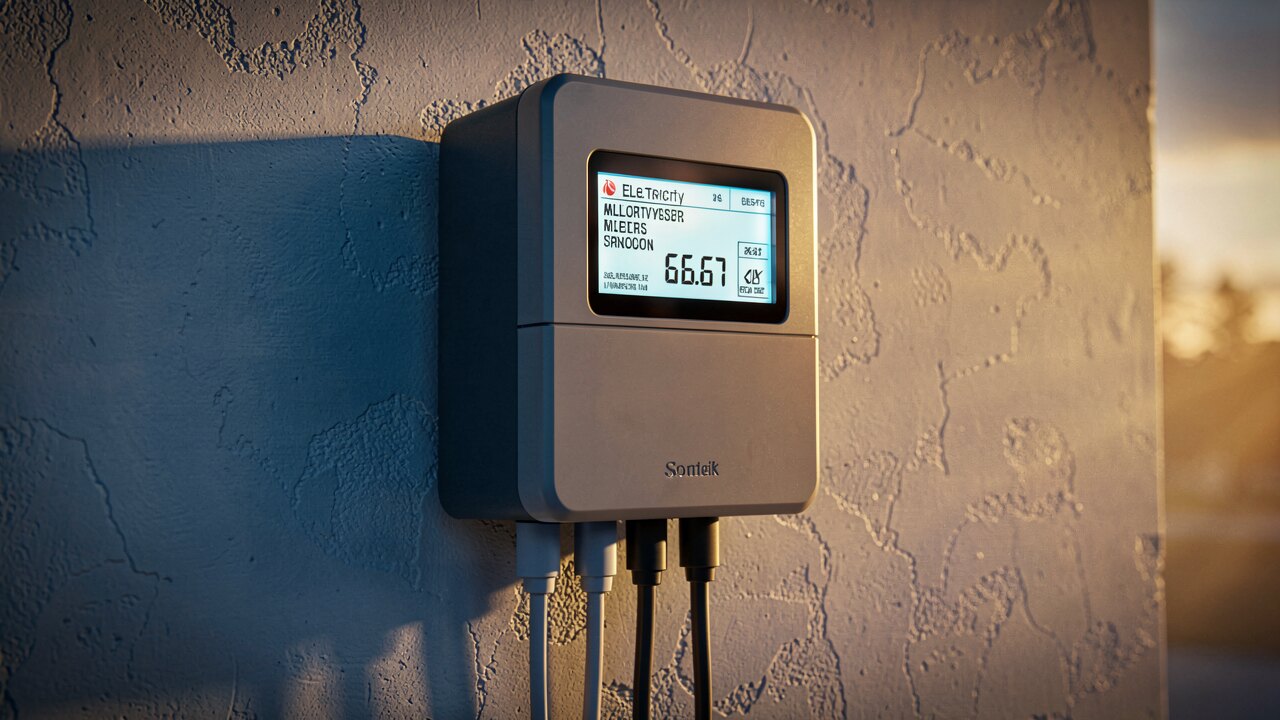
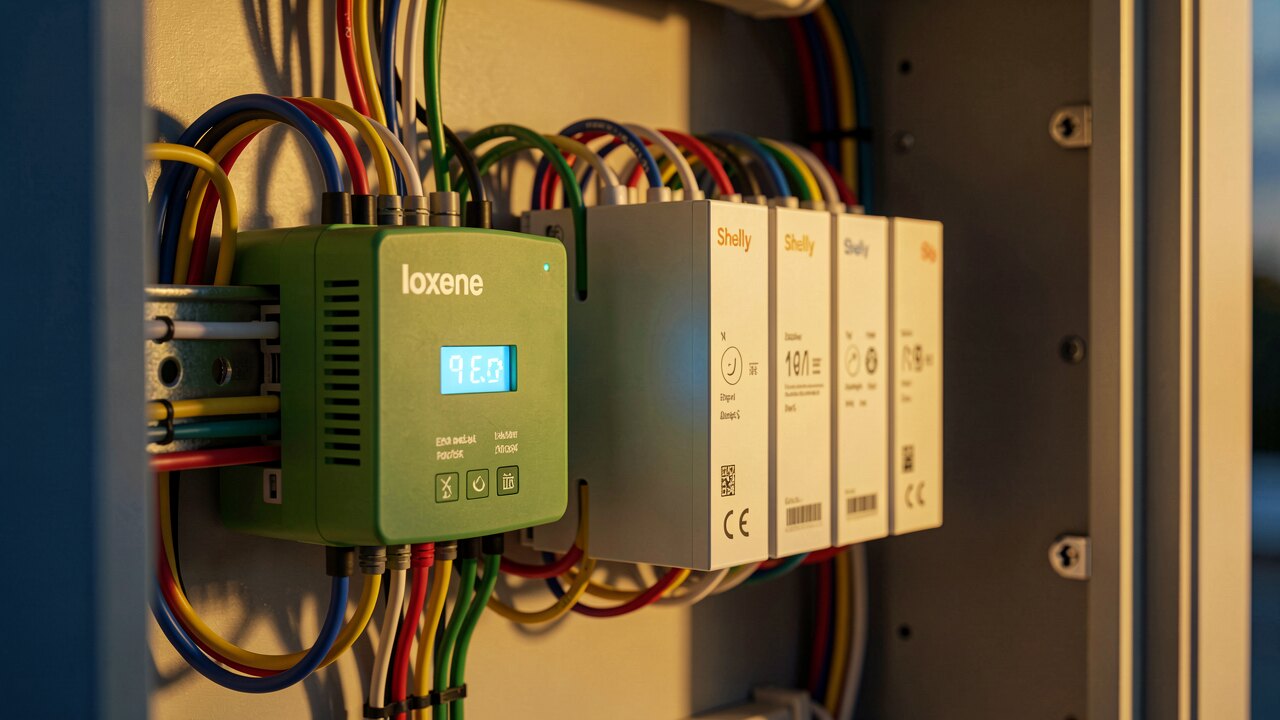
Storage lets you use solar power generated at midday during the evening and night, raising self-consumption and cutting the amount you buy from the grid. According to Fraunhofer IEE, expanding battery storage relieves the wider electricity system by billions of euros per year — and at the household level the same logic applies: stored solar you use yourself is cheaper than grid electricity. A battery monitor makes the actual charge, discharge, and savings visible so you can verify the benefit rather than assume it.
Confirm three things before ordering: your inverter and meter cabinet have room for the addition, your grid operator's registration for storage is handled (it is mandatory), and your consumption profile actually justifies the size. If your PV inverter is very old or already failing, DC coupling with a hybrid inverter replacement may make more sense than AC coupling. A qualified electrician should always do the connection and grid registration.