Commercial & industrial battery storage: what it is and how to size it
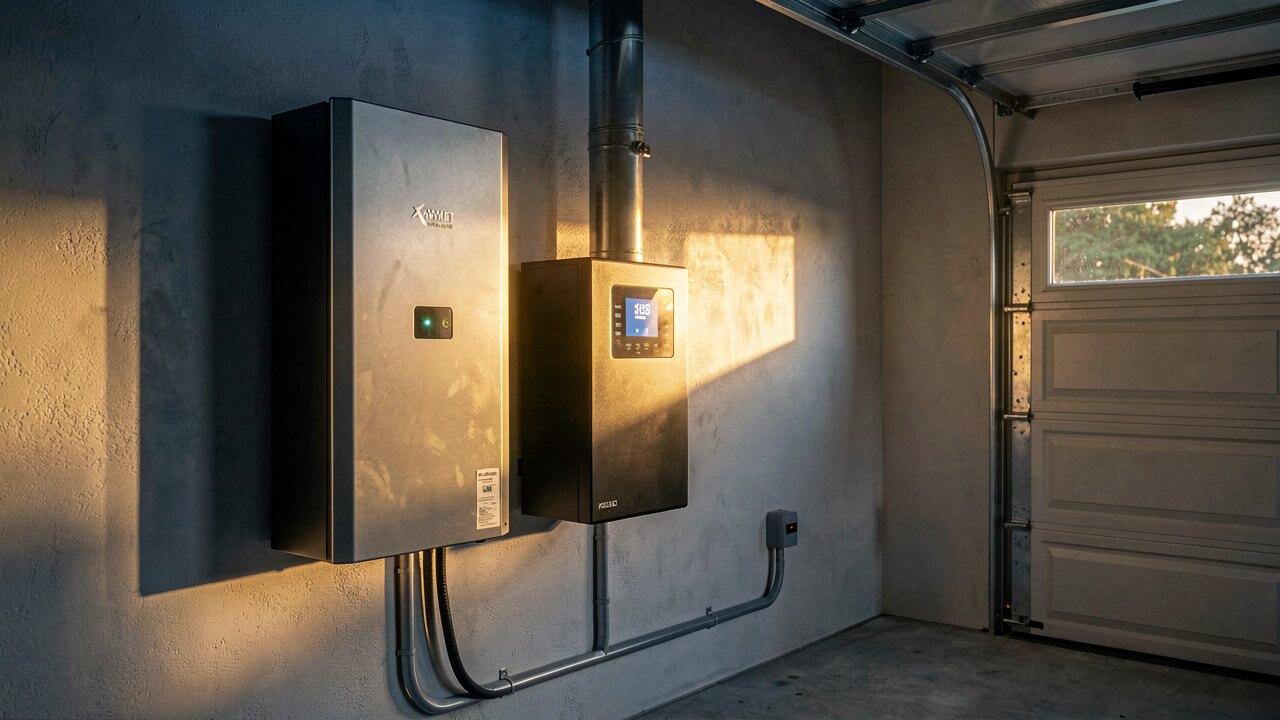
A commercial and industrial (C&I) battery storage system is a stationary battery — today almost always lithium iron phosphate (LFP) — installed behind a company's meter to shift electricity in time. It is defined by two numbers: usable capacity in kWh (how much energy it holds) and power in kW (how fast it can charge or discharge).
Every C&I storage decision comes down to a power/energy pair. Power (kW or MW) sets how much load you can shave or how much you can bid into a market at any instant. Energy (kWh or MWh) sets how long you can hold that. The ratio matters: a 10 MW / 20 MWh system, the size class Stromfee monitors register-live on its BESS Engineer page, is a 2-hour system — it can run at full power for two hours. Peak shaving usually wants high power and short duration (0.5–1 h). Price arbitrage and self-consumption want longer duration (2–4 h). Ask for both numbers before you compare any two offers.
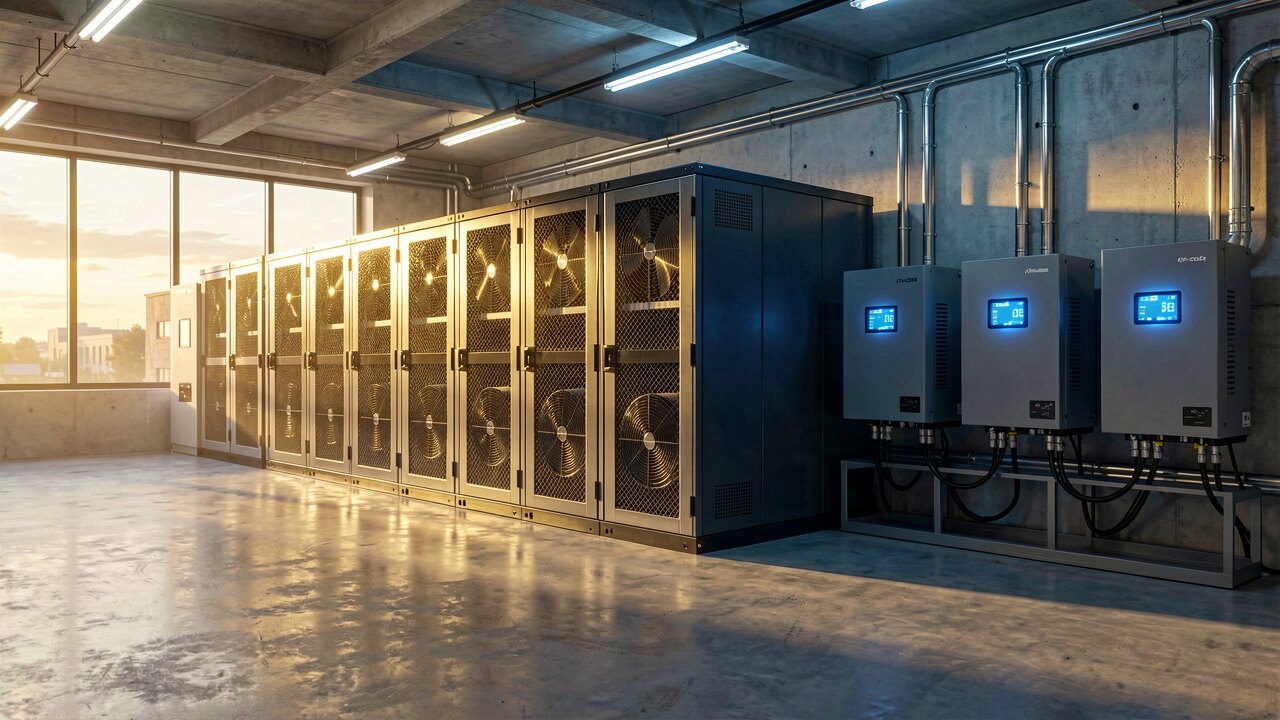
Sizing follows measured data, not rules of thumb. You need (1) your annual consumption in MWh, (2) an interval load profile — 15-minute meter data for at least a full year, so seasonal peaks are visible, (3) your peak demand in kW and how often it occurs, and (4) any on-site generation profile (PV, CHP). Self-consumption sizing: look at how much generation you export on a typical sunny day; the battery only needs to hold the part you can actually re-use before the next morning. Peak-shaving sizing: measure the height and, critically, the duration of your demand peaks — a 200 kW peak lasting 20 minutes needs roughly 200 kW of power but only about 70 kWh of energy. Oversizing energy to cover a short peak is the most common and most expensive mistake.
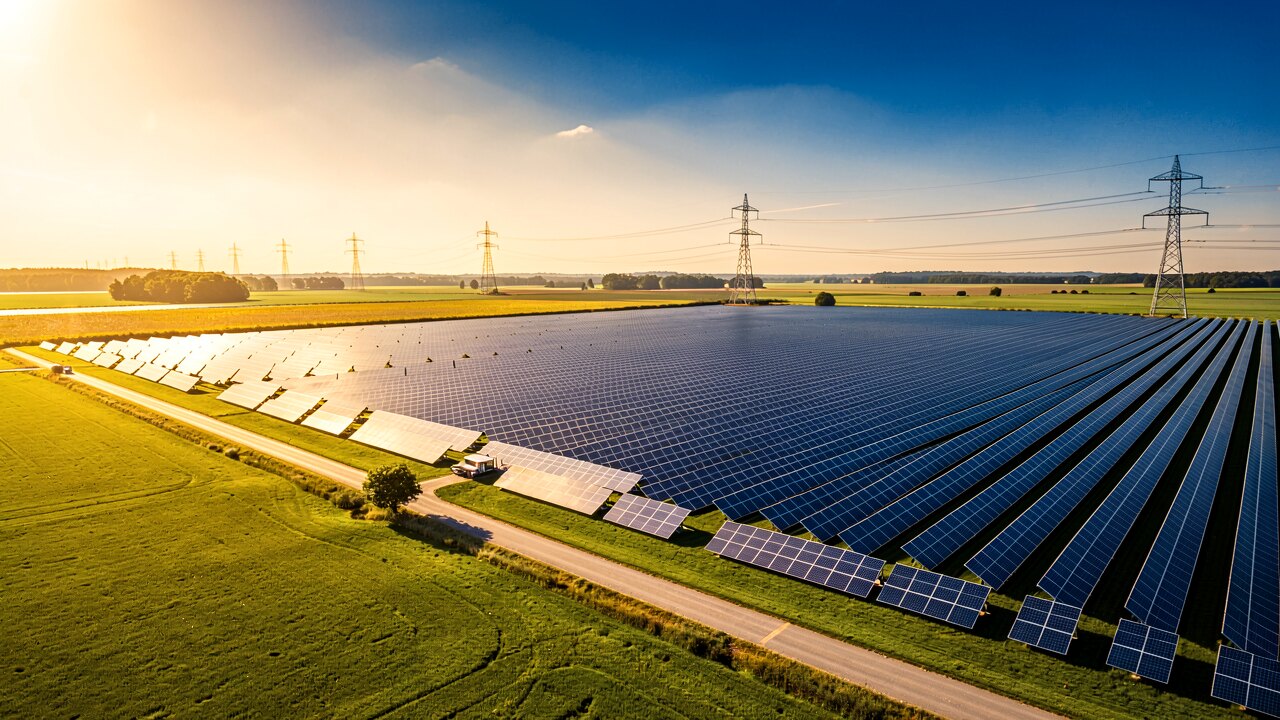
C&I storage typically combines several value streams rather than relying on one. Increasing PV self-consumption (you avoid buying grid electricity at the retail rate instead of exporting at a lower one). Peak shaving, where your tariff has a demand charge based on your highest measured load. Day-ahead or intraday arbitrage — charging in cheap hours, discharging in expensive ones. Grid services such as frequency regulation, where the operator pays for fast response. Backup power for critical processes. Which of these apply depends entirely on your tariff structure, your country's market rules, and your grid connection — so the business case must be built from your own numbers, not from a generic payback figure.
The strongest cases share a pattern: a high, spiky load profile, high electricity cost, or a process that cannot tolerate interruption. In practice that means industry and manufacturing (large machines causing sharp demand peaks), logistics and refrigeration (continuous cooling load plus door-opening spikes, and now EV truck charging), hotels and hospitality (strong daily load pattern, backup value), retail (refrigeration plus lighting), and commercial office buildings (PV self-consumption plus EV charging). If your load is flat, your tariff has no demand charge, and you have no PV, the case is usually weaker — be honest about that before you spend on engineering.
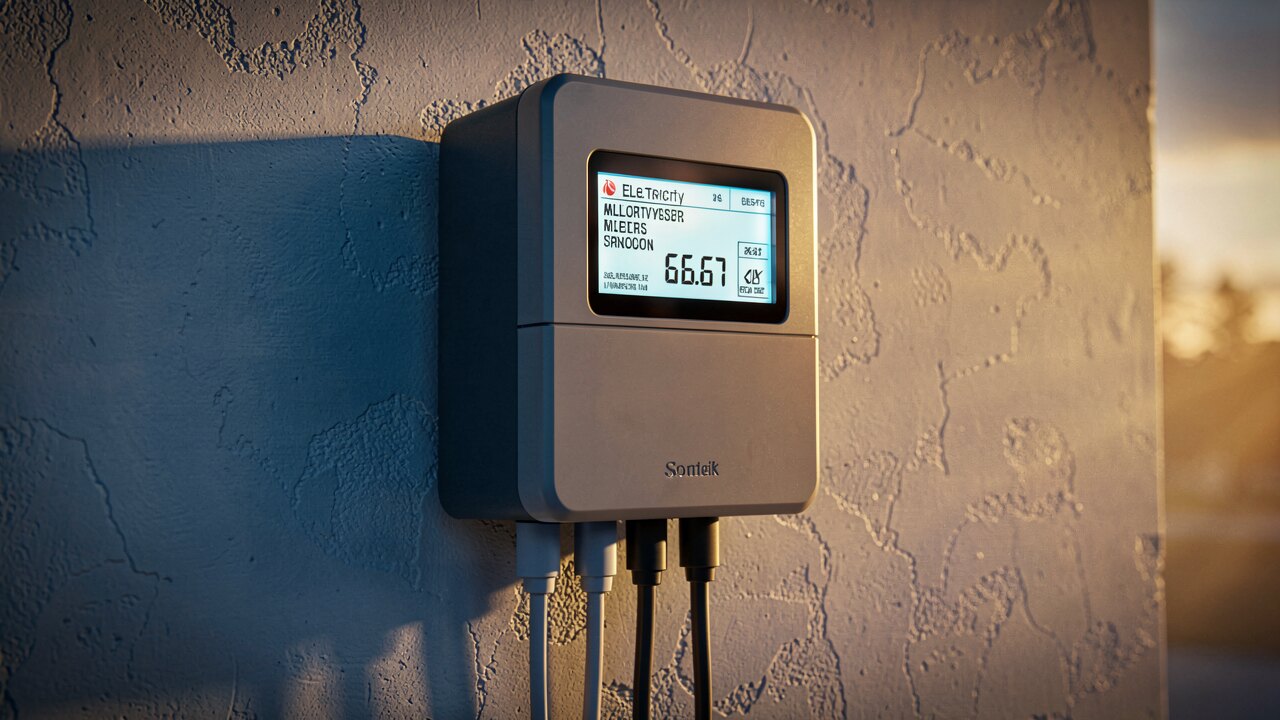
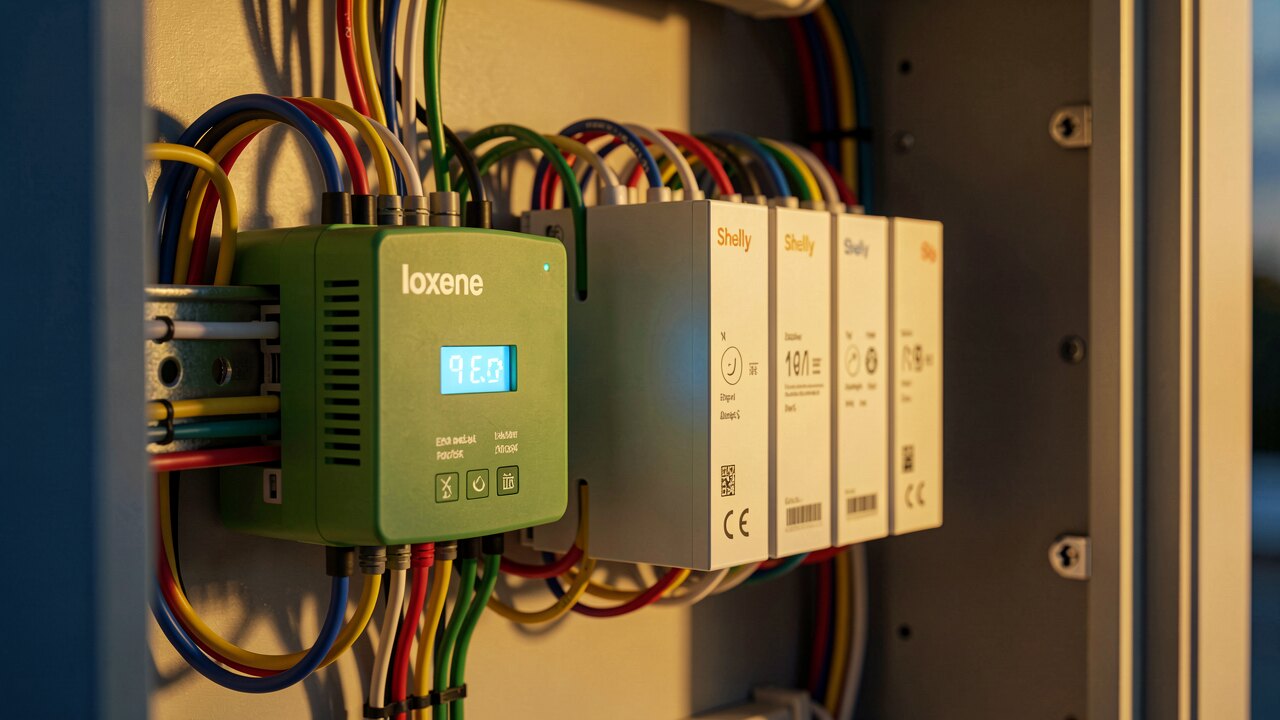
A storage asset is only manageable if you can see inside it. Vendor portals often show a smoothed, curated view. The alternative is reading values directly from the plant's Modbus register per the vendor specification — cell-level state, state of charge, power flows, and the revenue attributable to each market. Stromfee runs its 10 MW / 20 MWh LFP system this way, publishing register-true live values rather than a portal summary. When you evaluate a supplier, ask specifically: do I get raw Modbus/API access to my own asset's data, or only a dashboard? The answer determines whether you can verify performance and warranty claims yourself.
To get a serious proposal rather than a price list, have these ready: annual consumption in MWh; 15-minute load data for 12 months; peak demand in kW and your current tariff, including any demand-charge component; existing or planned PV/CHP capacity; the intended storage size in kWh if you already have a target; your available grid connection capacity and physical space (indoor room or outdoor container pad); a budget range; and a timeline. Stromfee's C&I storage enquiry form asks for exactly these fields — sector, annual consumption in MWh, planned storage size in kWh, budget band, and timeline — because without them any capacity recommendation is guesswork.