Cooling for Data Centers and Telecommunications Facilities
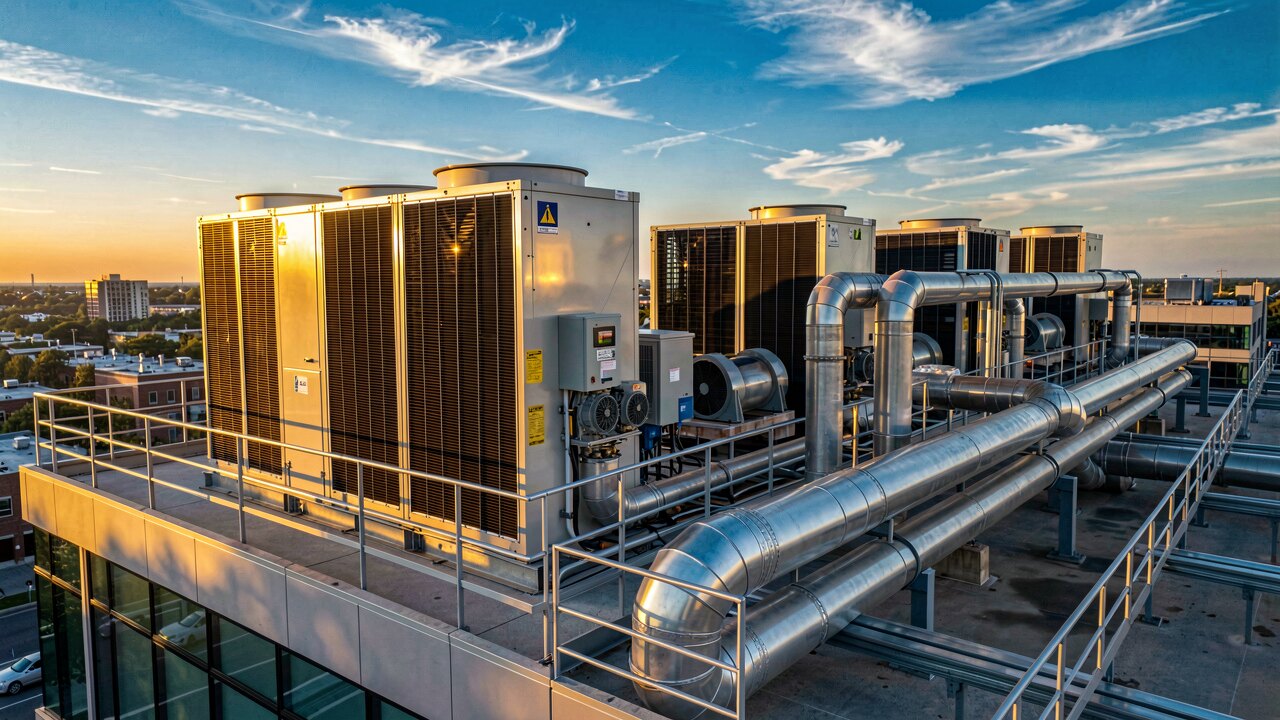
Data centers and telecom sites run around the clock, and the heat their equipment produces must be removed continuously or hardware fails within minutes. This page explains what cooling does, which methods are used, and the temperatures and efficiency targets that keep a site stable.
Servers, switches and telecom racks convert almost all the electricity they draw into heat. Cooling removes that heat to hold equipment inlet air in a safe band; if it is not removed, temperatures climb fast, hardware throttles and then shuts down or is damaged. Unlike an office, the load runs 24/7 all year, so cooling is a continuous, non-optional process, not a comfort feature.
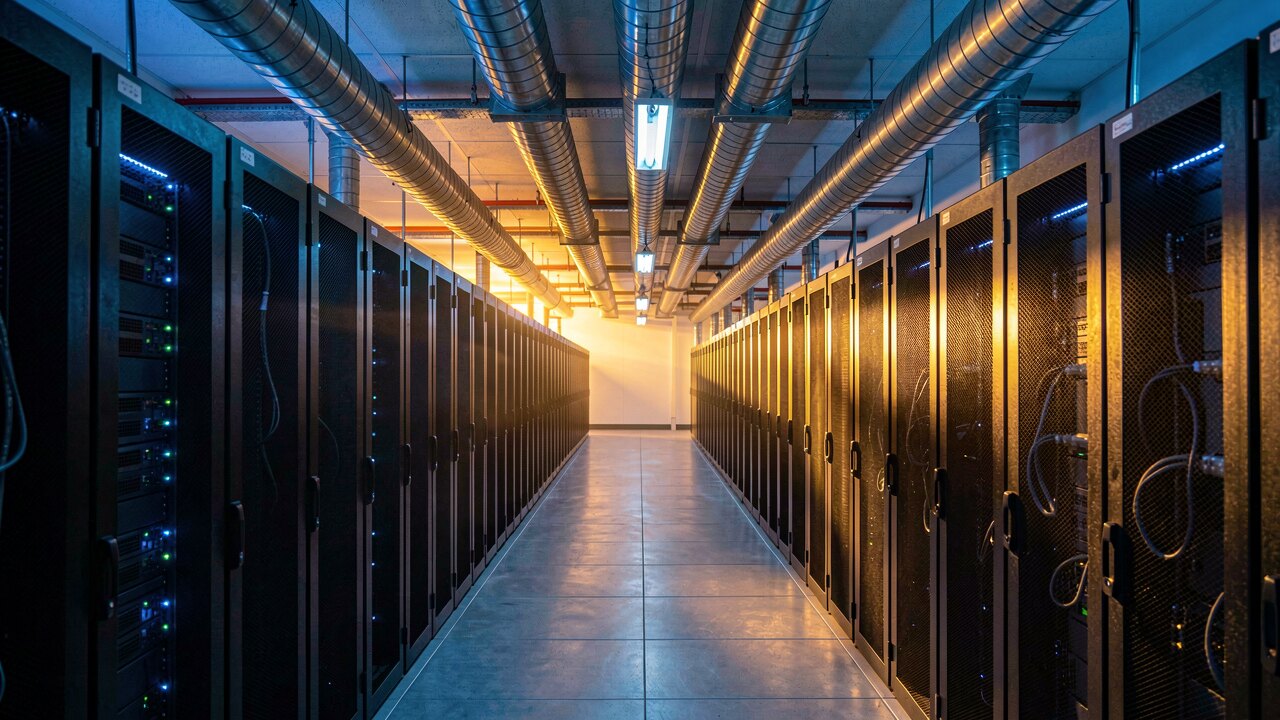
As a rule of thumb, plan cooling capacity roughly equal to the IT electrical load: about 1 kW of heat to remove for every 1 kW of IT power drawn, plus a margin for redundancy (N+1). ASHRAE guidance recommends a server inlet-air range of about 18–27 °C, with an allowable band up to ~32 °C for many modern devices. Telecom rooms are often held near 21–24 °C. Knowing your actual rack load lets you size equipment instead of guessing.
CRAC/CRAH units blow cooled air under a raised floor or through hot-/cold-aisle containment so cold supply and hot exhaust never mix. Chilled-water systems and in-row or rear-door coolers sit closer to the racks for higher densities. Free (economizer) cooling uses cool outside air or water when the climate allows, cutting compressor runtime. For very high-density AI/GPU racks, direct-to-chip or immersion liquid cooling is increasingly used because air alone cannot carry the heat away.
Cooling is typically the largest non-IT energy user in a facility, so efficiency is measured with PUE (Power Usage Effectiveness = total energy ÷ IT energy). A PUE of 2.0 means as much power for cooling and losses as for computing; well-run modern sites reach 1.2–1.5. Raising the setpoint within the safe range, sealing aisle containment, and using free cooling and variable-speed fans are the highest-impact levers to lower it.
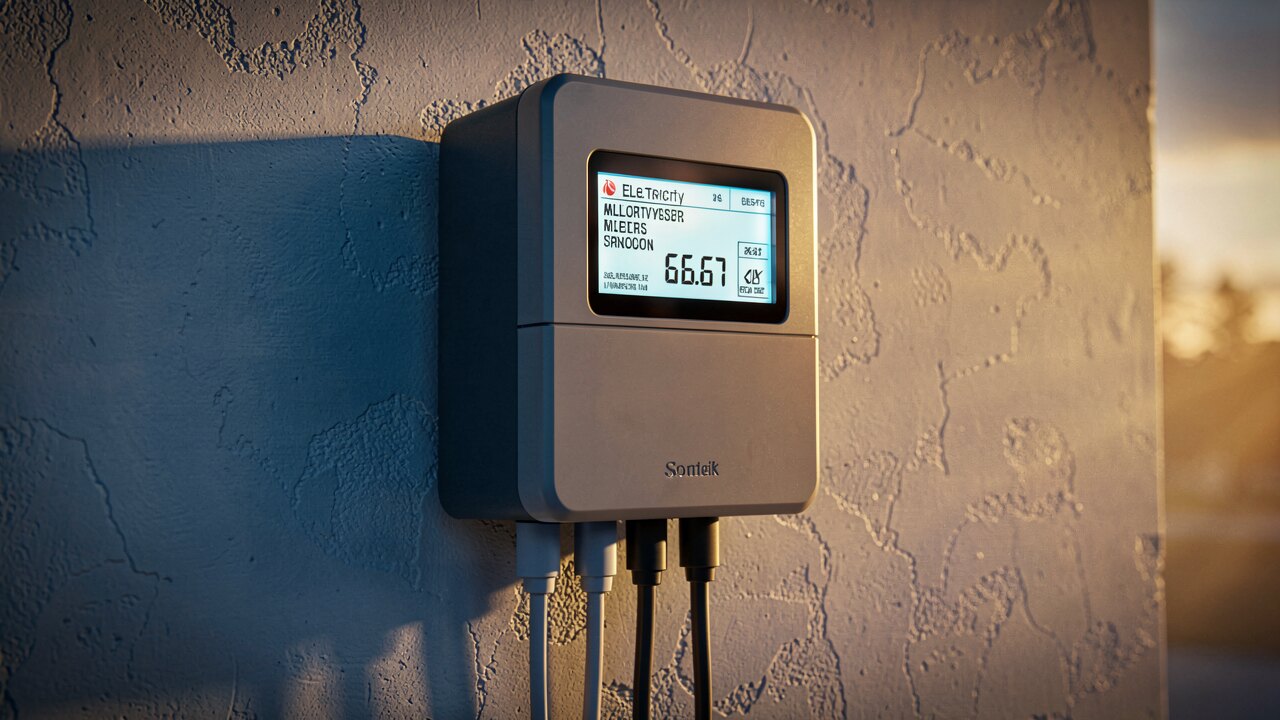
Because a cooling failure can take a site down as quickly as a power failure, critical facilities use redundant units (N+1 or 2N), backup power for the cooling plant, and monitoring that alarms on rising inlet temperatures. Track supply and return temperatures, humidity and airflow per aisle so a failing unit is caught before racks overheat, not after.
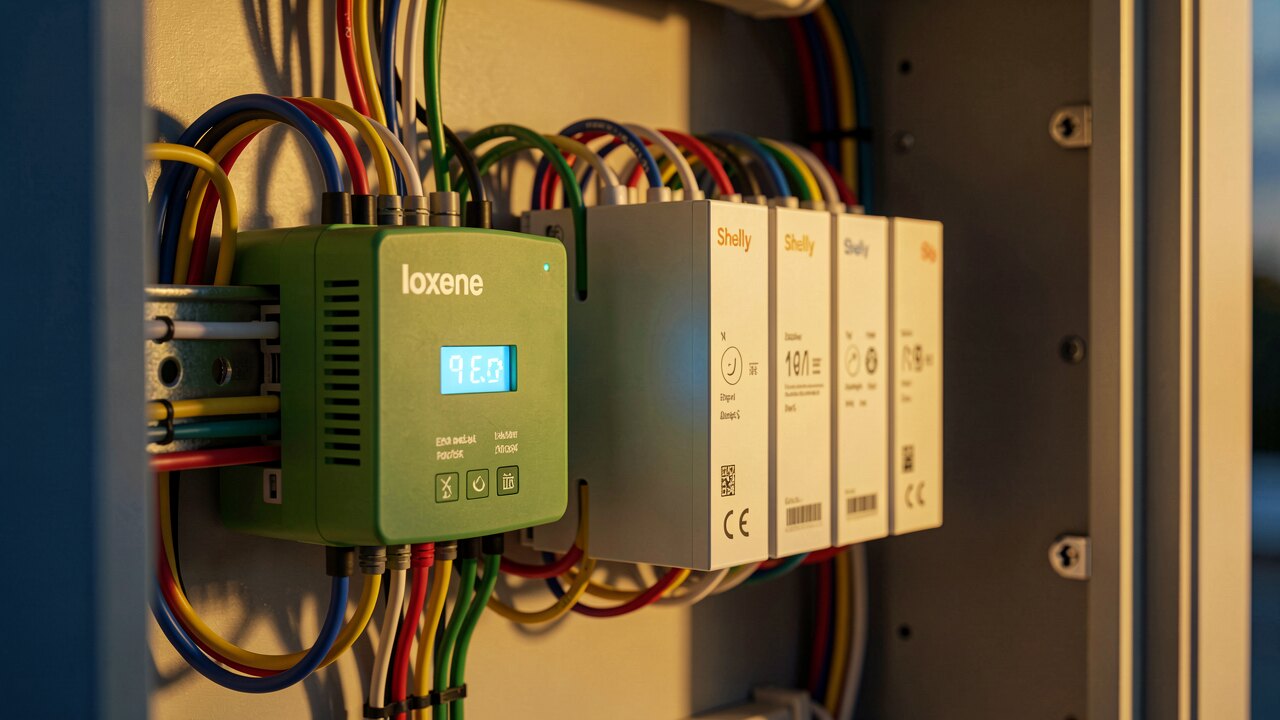
In hot regions cooling runs hard all year and free cooling is barely available, so it dominates the electricity bill. Small telecom shelters and cabinets face the same problem at small scale and often rely on sealed air conditioners or heat exchangers. Continuous metering of load and cooling energy is the practical way to catch waste and keep costs and reliability under control.