Data Center Cooling: How It Works and Which Method to Choose
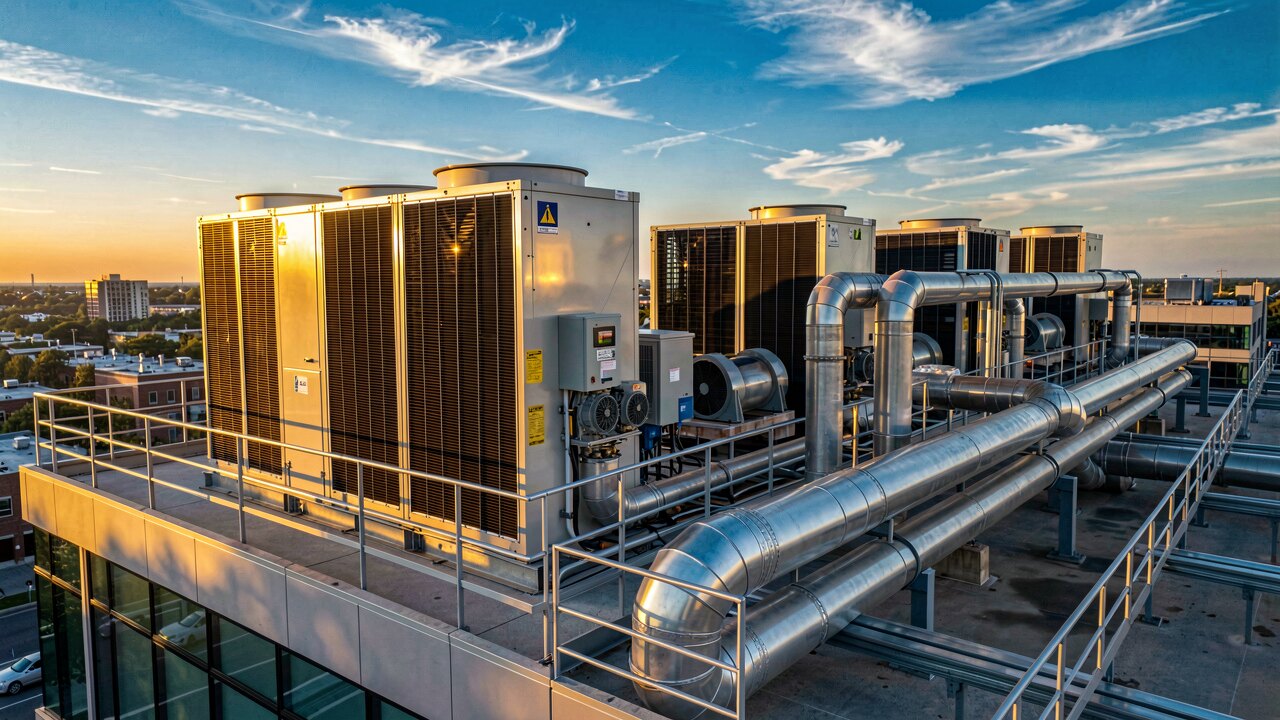
Data center cooling removes the heat that servers and GPUs generate so hardware stays within safe operating temperatures. The main approaches are air cooling, free (ambient) cooling, and liquid cooling — the right one depends on climate and how dense the compute is.
Air cooling blows chilled air across servers via CRAC/CRAH units — simple and standard, but limited for very high heat loads. Free cooling uses cold outside air or water instead of running compressors, saving large amounts of energy in cool climates. Liquid cooling brings coolant directly to the chip and is used for the densest AI hardware, where air alone can no longer carry the heat away.

Free cooling is only viable where ambient temperatures stay low. Brookfield's planned 750 MW AI campus in Stockholm, with a mean annual temperature of about 8 °C, is sited specifically to run on free cooling for much of the year. In hot and tropical climates the opposite is true: cooling runs hard all year and is often the single largest electricity consumer in a commercial building, so operators cannot rely on ambient air and must plan for continuous mechanical cooling.
High-density GPU clusters produce far more heat per rack than traditional servers. Microsoft's Fairwater site in Atlanta runs over 350 MW and cools 150,000+ NVIDIA GB200 Blackwell GPUs with a closed liquid-cooling system and no air cooling at all. When compute density reaches this level, direct-to-chip or immersion liquid cooling becomes a requirement rather than an option, because air cannot remove the heat fast enough.
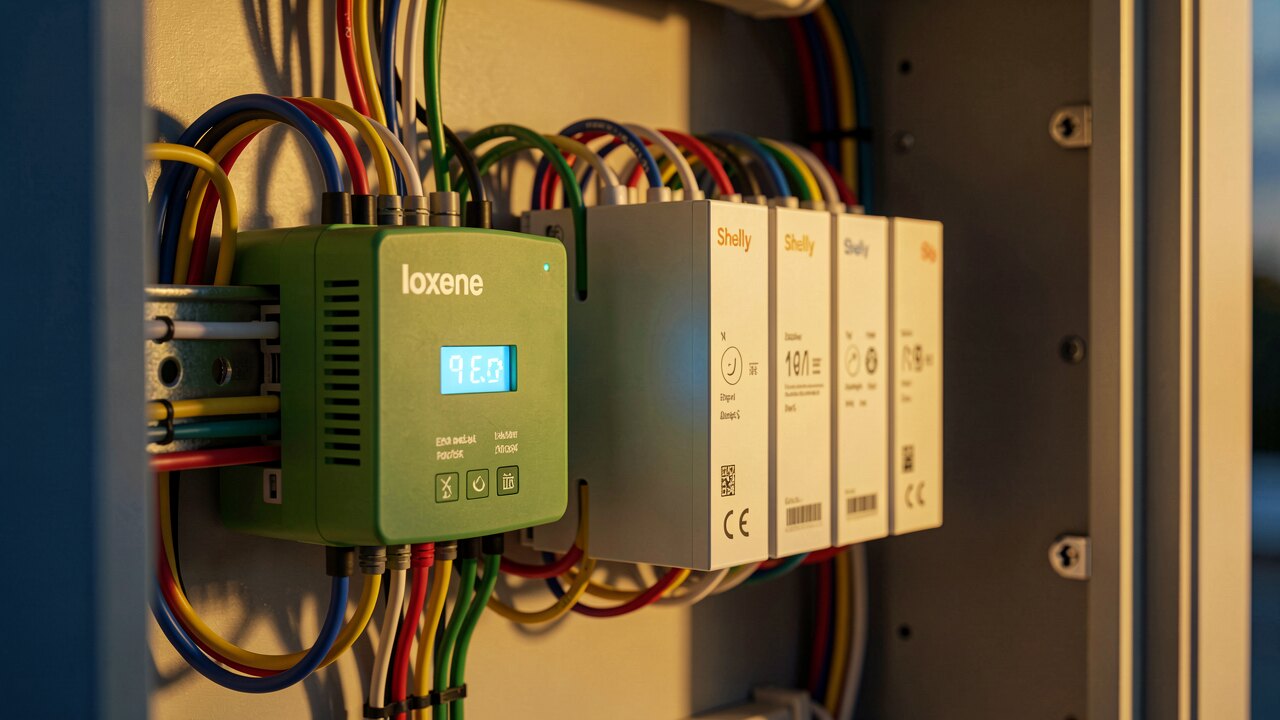
Because cooling can be the largest single electricity consumer on a site, it is also where the biggest savings are found. Matching the method to the climate — free cooling where it is cold, efficient liquid loops for dense AI racks — and monitoring the actual load are the practical steps that bring HVAC and refrigeration costs under control.
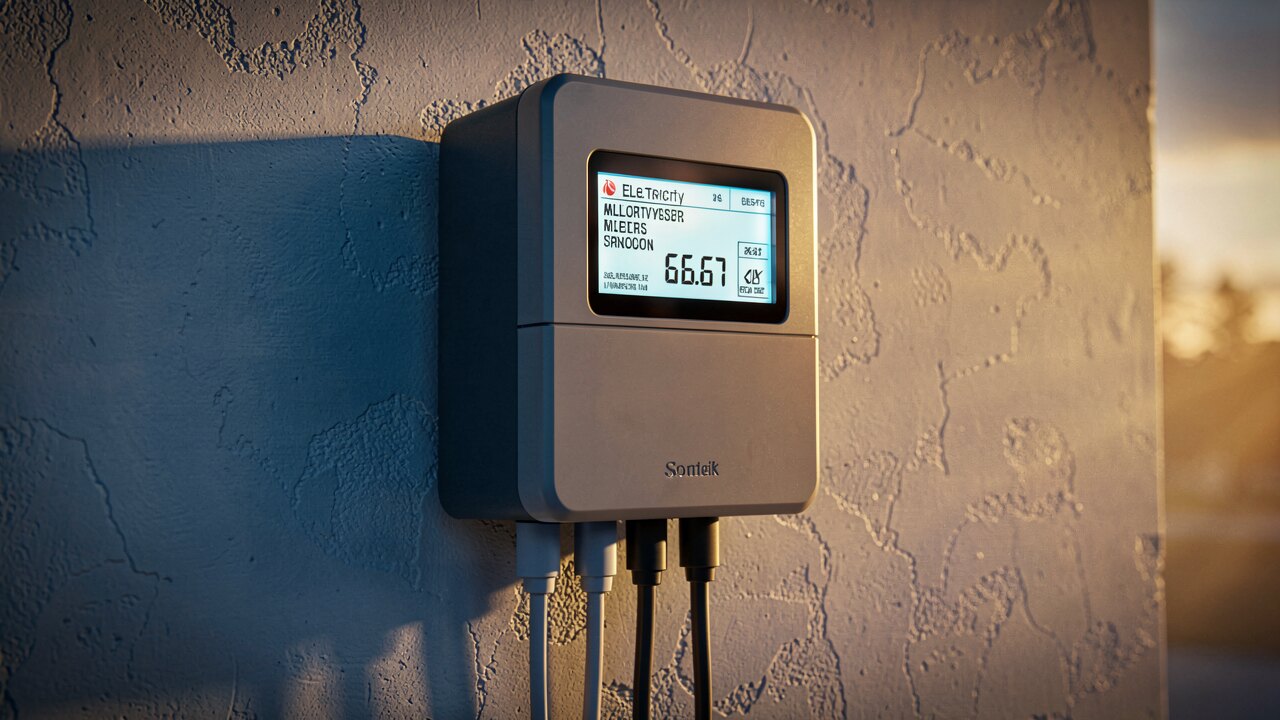
Start with two questions: how cold is your local climate, and how dense is your hardware. Cool climate plus moderate density favors free cooling. Hot climate or standard racks means well-managed air cooling with continuous operation. Very high-density AI or HPC hardware points to liquid cooling regardless of location. In every case, metering the real cooling load first prevents over-sizing and wasted energy.
Before adding cooling capacity, optimize what you have: separate hot and cold air paths, remove hotspots, raise setpoints where hardware allows, and use monitoring to spot equipment running harder than it needs to. These load-optimization steps often reclaim capacity and cut consumption without new hardware.