Denmark electricity prices today: where to check them live
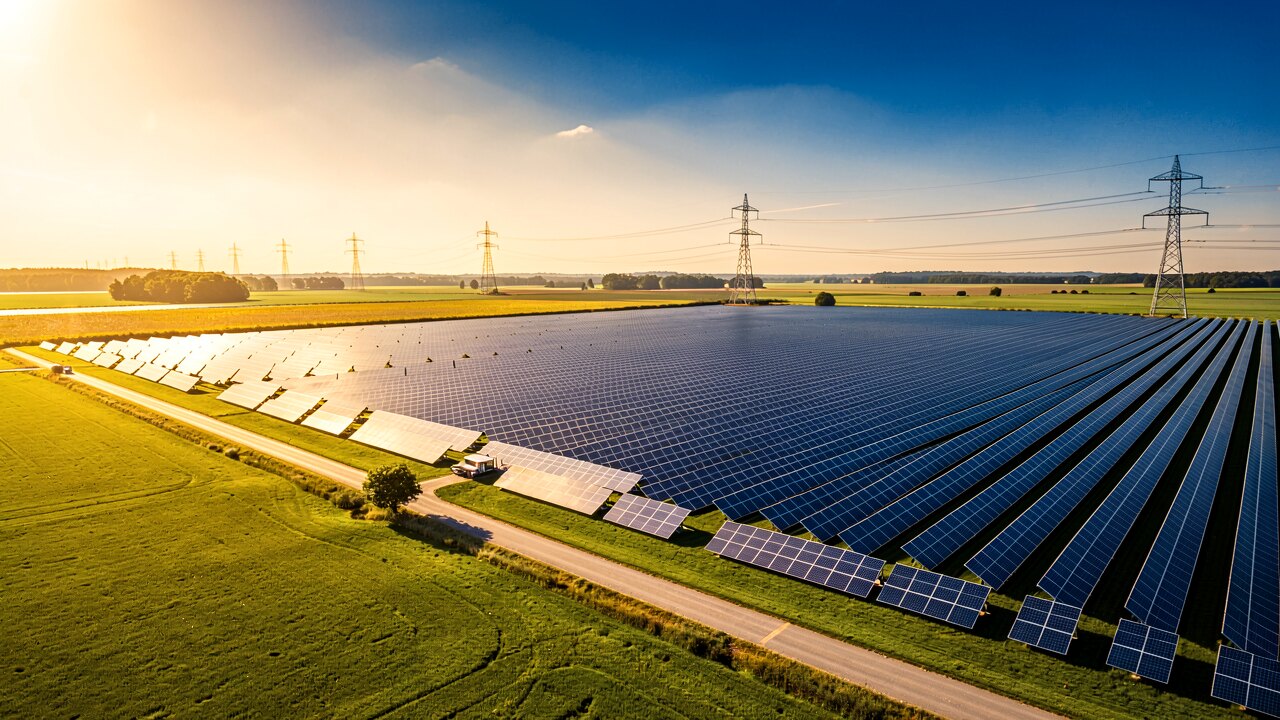
Denmark has two price zones, DK1 and DK2, and each gets a fresh day-ahead price every day from the power exchange. Below you'll find where to read today's live prices and what the recent daily swings actually look like.
Danish day-ahead prices are set once per day on the spot market and published for every hour of the next day. The authoritative live sources are Energinet's Energi Data Service and the Nord Pool day-ahead market, both updated every afternoon for the following day. For the directly coupled German/Luxembourg market (DK1 is synchronously linked to the continental grid via Germany), Stromfee shows live EPEX SPOT day-ahead prices in 15-minute resolution at stromfee.ai/strompreis-heute.html — a useful cross-reference when DK1 and DE prices move together.
Denmark is split into DK1 (Western Denmark – Jutland and Funen), synchronously connected to continental Europe via Germany, and DK2 (Eastern Denmark – Zealand and Bornholm), part of the Nordic synchronous area and connected to Sweden. Because the two zones sit in different synchronous systems, their hourly prices can differ noticeably on the same day. The transmission system operator for both is Energinet, so always check the zone that matches your location.
Over a recent 30-day window measured in Stromfee's price database, the average day-ahead spread (highest hour minus lowest hour within a day) was about 155 EUR/MWh in DK1 — roughly 142% of the average price — and about 152 EUR/MWh in DK2, roughly 145% of the average. In everyday terms that is a swing of around 15 ct/kWh between the cheapest and most expensive hours, so the time you use power matters as much as the headline price.
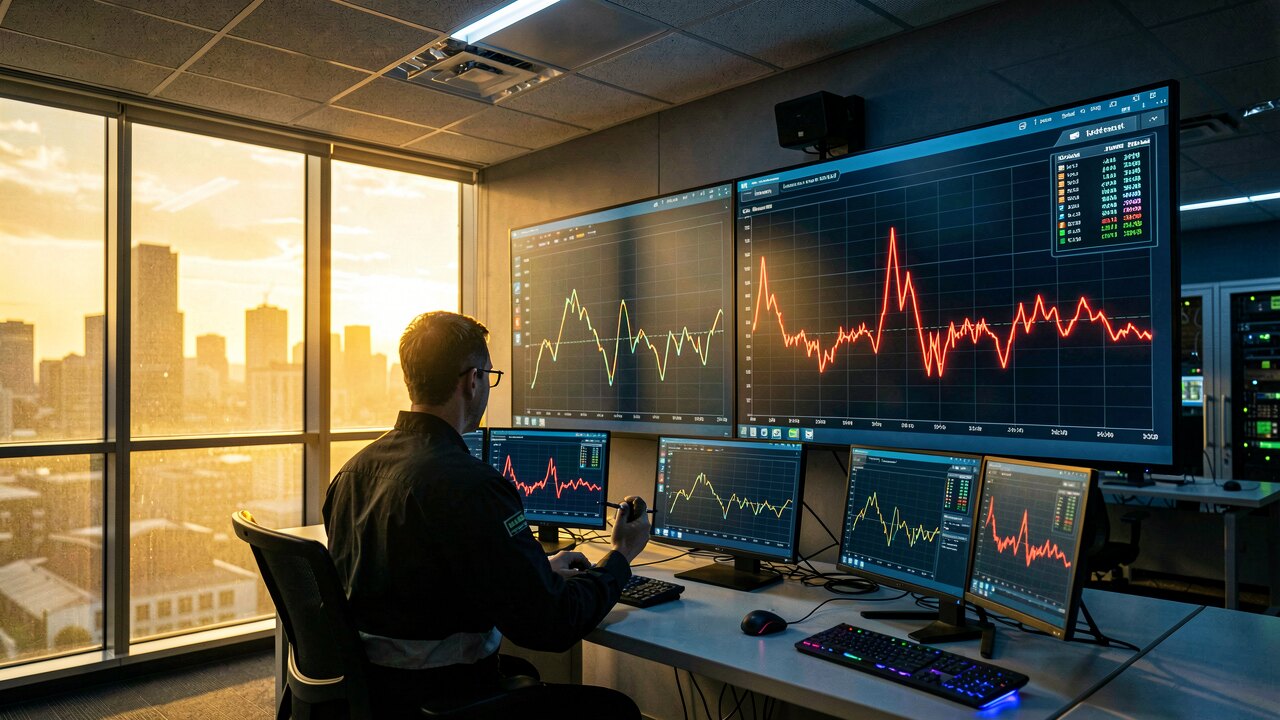
Day-ahead prices are driven by supply and demand: when wind output is high and demand is low, prices fall (and can even turn negative); when it's calm and demand peaks, prices rise. Denmark's very high wind share makes these hourly swings larger than in many other markets, which is exactly why a live hourly view is more useful than a single daily average.
With swings of ~15 ct/kWh between cheap and expensive hours, shifting flexible loads — or charging and discharging a battery — into the right hours captures real value. Danish battery storage runs on exactly this logic: there is no dedicated subsidy for standalone storage, so the economics rest on day-ahead and intraday arbitrage (charge low, discharge high) plus balancing services sold to Energinet.