Direktvermarkter for Electricity: What They Do and When You Need One
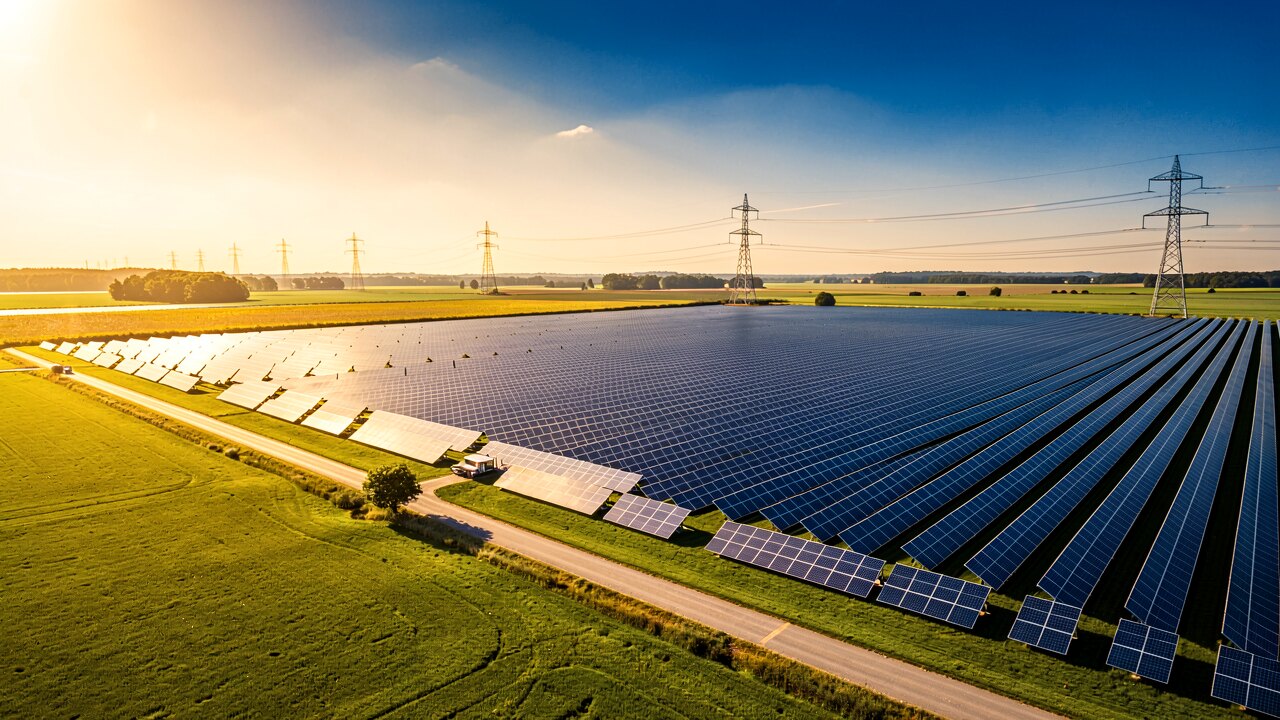
A Direktvermarkter is a licensed trader who sells your generated electricity on the power exchange instead of you receiving a fixed feed-in tariff. In Germany, PV systems from 25 kWp onwards must use one under §21 EEG 2023, with the state paying a market premium on top of the exchange revenue.
Three things: it registers your plant as a balancing-group member, sells your output on the spot market (hourly, in practice 15-minute products), and settles with you periodically — typically quarterly — based on a blended price. It also handles the market-premium claim toward your grid operator and, where required, remote-control capability of the plant. You keep ownership of the plant and the EEG entitlement; the trader only monetises the energy.
Yes, if your PV system is 25 kWp or larger. Under §21 EEG 2023 those systems can no longer take the fixed feed-in tariff (Einspeisevergütung) and must be marketed directly. Below 25 kWp direct marketing is optional — you may still switch voluntarily if the economics work. Your settlement will carry a feed-in code: 689 = market-premium model (with state support), 688 = sonstige Direktvermarktung (no support, pure exchange revenue). If your plant was commissioned from 2023 and shows 688, check whether that is really what you intended — you may be leaving the market premium on the table.
Your income has two parts. Part one is what the trader earns for your kWh on the DE/LU spot market, minus its fee. Part two is the market premium: the difference between your plant's applicable value (anzulegender Wert) and the monthly market value published for your technology. When exchange prices are low the premium rises; when they are high it shrinks. The premium is a differential payment, not an extra bonus on top of a fixed tariff.
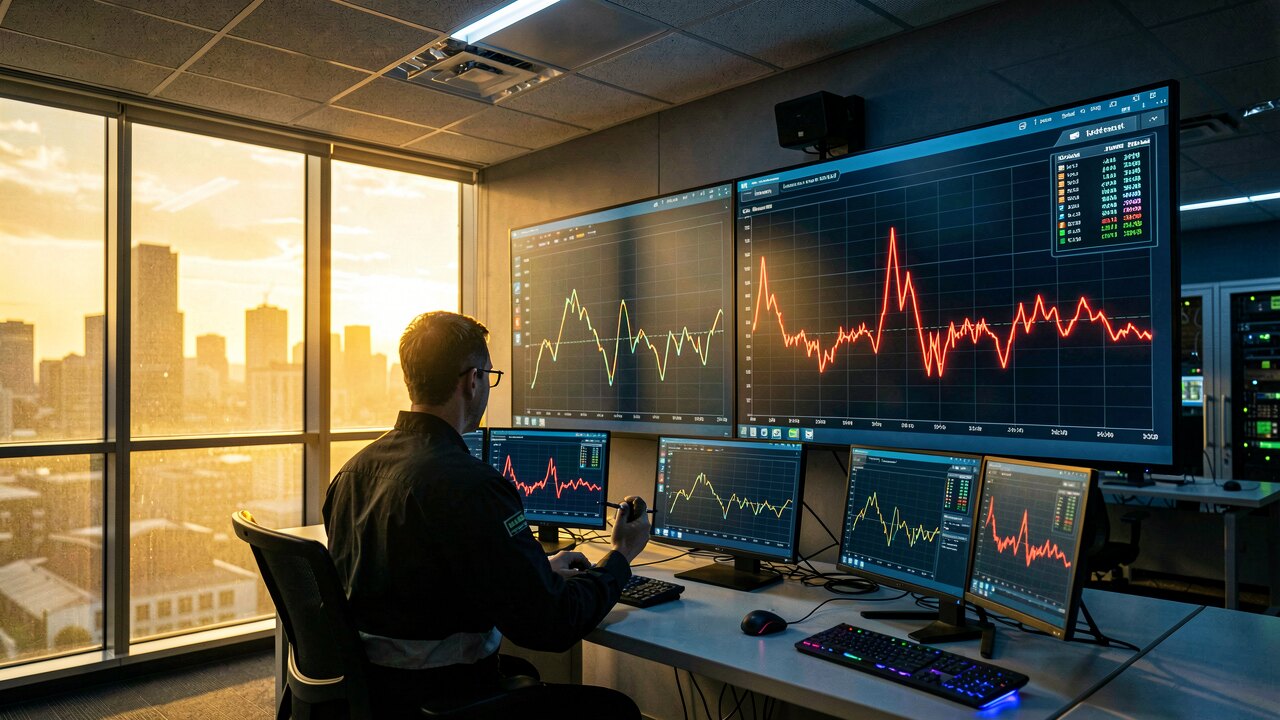
A Direktvermarkter does not pay through 1:1 what it collects. It sells at hourly or quarter-hourly prices but pays you on a blended (Misch-) price. The gap is the DV margin. In one measured case — Lotter Schweighof II — that gap came to 3.15 €/MWh, derived from a 5-minute load profile matched against DE/LU spot prices over 22,239 hours (May 2025 to March 2026). At 9,770 MWh annual generation, that is €30,776 per year that never appears on the invoice as a line item. Your contract determines whether the margin is disclosed transparently or buried in the blended price.
Ask for three things in writing: (1) the exact pricing formula — is the reference the hourly spot price for your plant's actual profile, or a monthly average? (2) the fee structure — fixed €/MWh, percentage, or a spread baked into the blended price? (3) whether you get the underlying trade or profile data. Then compare your own metered generation profile against published DE/LU spot prices for the same period. If the payout consistently sits below profile-weighted market value by more than the disclosed fee, the difference is undisclosed margin.
Sonstige Direktvermarktung means selling on the exchange or bilaterally without claiming the market premium. It becomes relevant after the 20-year EEG support period ends, for plants that waive support, or where a PPA with an off-taker beats the premium model. It is a deliberate choice, not a default — for a supported plant it usually means giving up money, so an unintended 688 on a post-2023 plant is worth investigating.