Drone Thermal Solar Panel Inspection: What It Costs and What It Finds
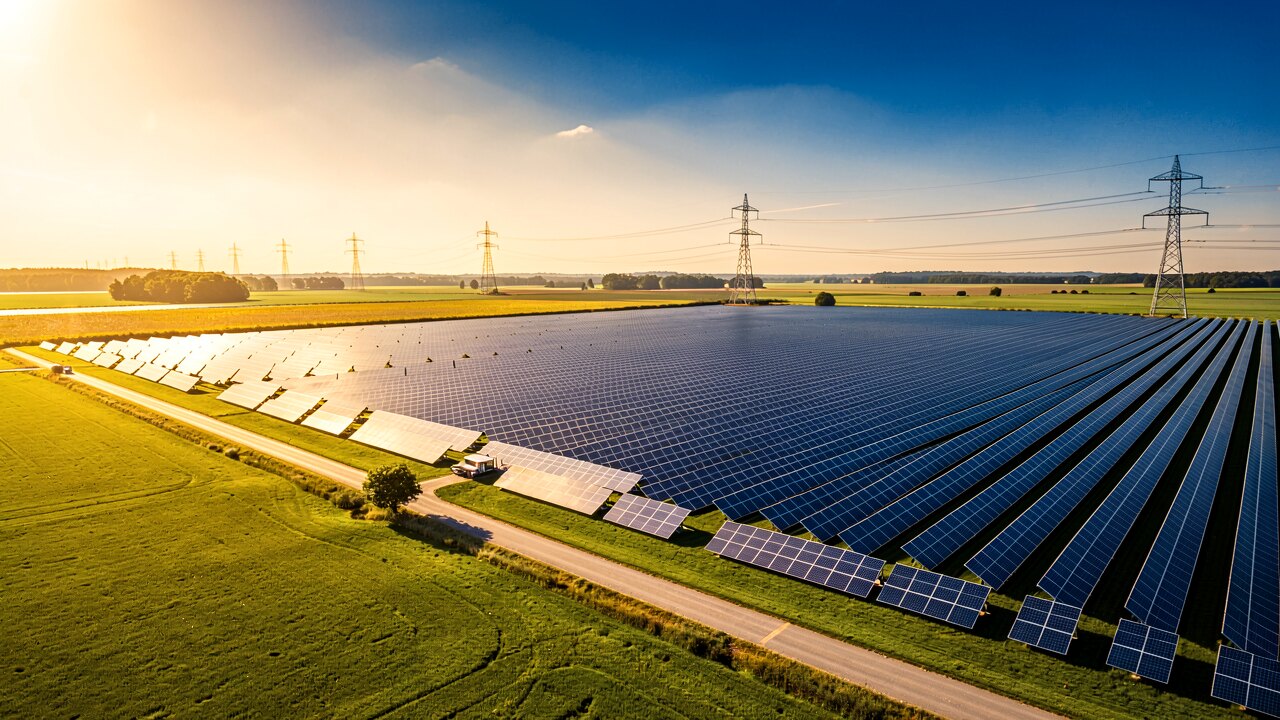
A drone thermal inspection flies an infrared camera over your PV array and checks every single module for heat anomalies — no scaffolding, no shutdown, typically a fraction of a day on site. Pricing is not a fixed list price: it is driven by plant size (kWp or hectares), site access, whether the flight needs an approval, and whether you want raw images or an analysed report.
Faults show up as temperature patterns because a defective cell converts current into heat instead of exporting it. The recurring findings are: hotspots (single overheating cells, often from cracks or shading damage), failed bypass diodes (a whole substring runs warm), disconnected or offline strings (a uniformly cold block), and soiling or vegetation shading (patchy cool/warm areas). These patterns are visible in IR long before they show up as a noticeable drop on your electricity bill — which is the core argument for flying rather than waiting.
1) Flight planning: the array is gridded so every module is covered at a consistent altitude and angle. 2) Conditions check: IR only produces usable contrast under sufficient irradiance and a stable, largely clear sky — a defective cell has to be measurably warmer than a healthy one. 3) The flight itself: a drone with a radiometric IR camera plus an RGB camera, so every thermal anomaly has a visual counterpart. 4) Analysis: anomalies are located and classified per module and per string. 5) Report: fault list with position, type, and severity. The plant keeps running throughout — no scaffolding, no shutdown.
There is no single national price, and anyone quoting one without seeing your site is guessing. The variables that actually move the number: array size (per-kWp or per-hectare rates fall sharply with scale — a 30 kWp rooftop and a 5 MW field are different products); roof vs ground-mount and how easy access is; airspace — a site near an airport, a plant, or over inhabited areas may need permits and a qualified operator, which adds cost and lead time; travel to site; and above all the deliverable. A folder of IR images is the cheap end. A per-module fault list with severity classification and a euro-denominated yield-loss figure is the expensive end — and the only one you can act on. Get quotes on the deliverable, not on flight hours.
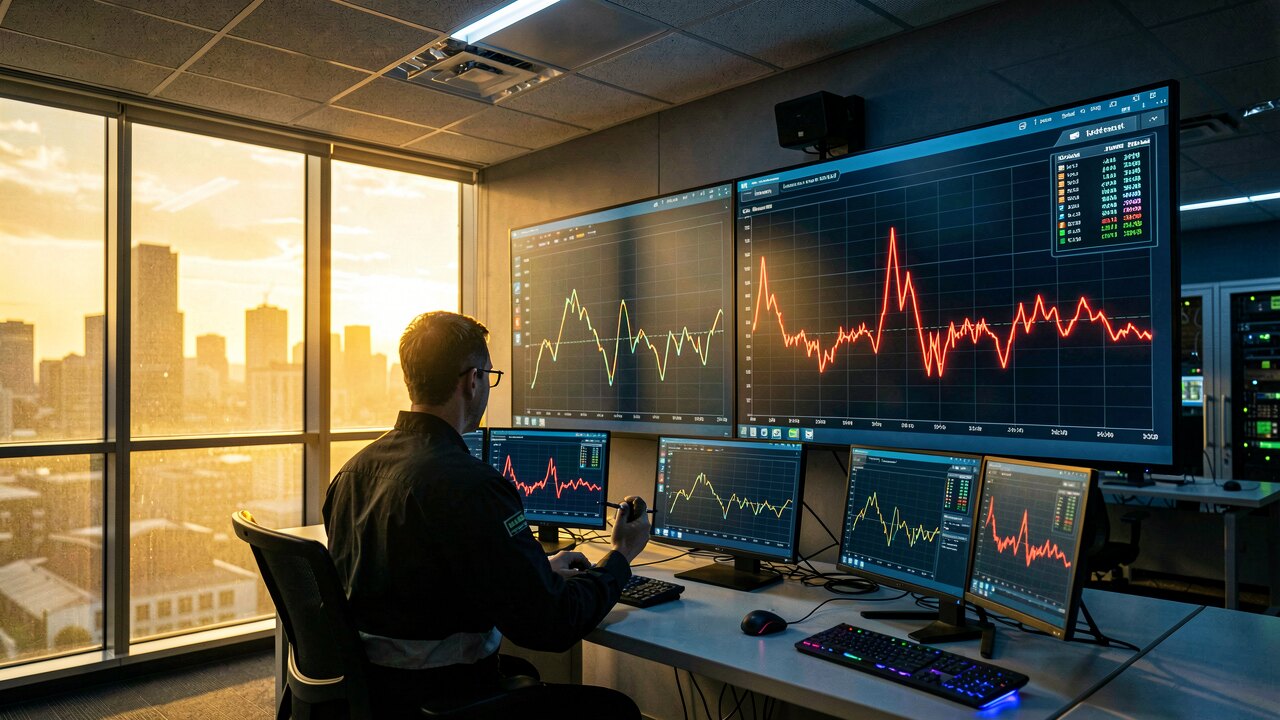
Many owners end up holding a set of IR photos from a drone contractor and no idea what to do with them. The images tell you a module is warm; they do not tell you what it costs you. At Stromfee we combine existing IR imagery with your live yield data to identify defective modules, hotspots, bypass-diode faults and performance losses per string and per module, with the damage quantified in euros — report within 5 working days. If you already have drone footage, you do not need a second flight; you need the analysis layer on top of it.
There is no legal inspection interval for thermal drone checks in Germany — this is a commercial decision, not a compliance one. In practice the sensible triggers are: after commissioning (to catch transport and installation damage while warranty claims are still straightforward), after hail, storm, or any construction work on the roof, and whenever your monitoring shows a yield gap you cannot explain from irradiance. For larger commercial plants, a periodic flight combined with continuous yield monitoring catches slow degradation that a single-point measurement misses. If your data already flags an underperforming string, the flight is confirmation and localisation, not discovery.
IR thermography finds anomalies that produce a heat signature. It is not a substitute for electrical testing: it will not give you IV curves, insulation resistance values, or a certified electrical safety report. Microcracks that are not yet producing heat can stay invisible. And thermography under poor irradiance or a shifting cloud cover produces false negatives — a flight on the wrong day is wasted money. Treat the drone check as the fast, whole-plant screening layer that tells you where to point the electrical testing, not as the entire diagnostic.