Dynamic Electricity Tariff: What the Daily Price Curve Looks Like

A dynamic tariff re-prices your electricity every hour based on the wholesale spot market, so the rate rises and falls across the day. The curve is usually cheapest overnight and around solar midday, and most expensive in the morning and evening demand peaks.
On a dynamic tariff the price follows the day-ahead spot market. Overnight (roughly 00:00–05:00) demand is low, so the price is low. A first peak forms in the morning (about 06:00–09:00) as households and businesses start up. Prices then dip around midday (roughly 11:00–15:00) when solar feed-in is high. The highest prices of the day usually hit the evening peak (about 17:00–21:00), after which the curve falls back toward the overnight low.

Dynamic prices reflect supply and demand on the electricity market in real time. When a lot of wind or solar is feeding in and demand is low, the price drops — sometimes very low. When renewable output is low and demand is high (morning and evening), expensive plants set the price and it rises. That is why the same kilowatt-hour can cost very different amounts depending on the hour.
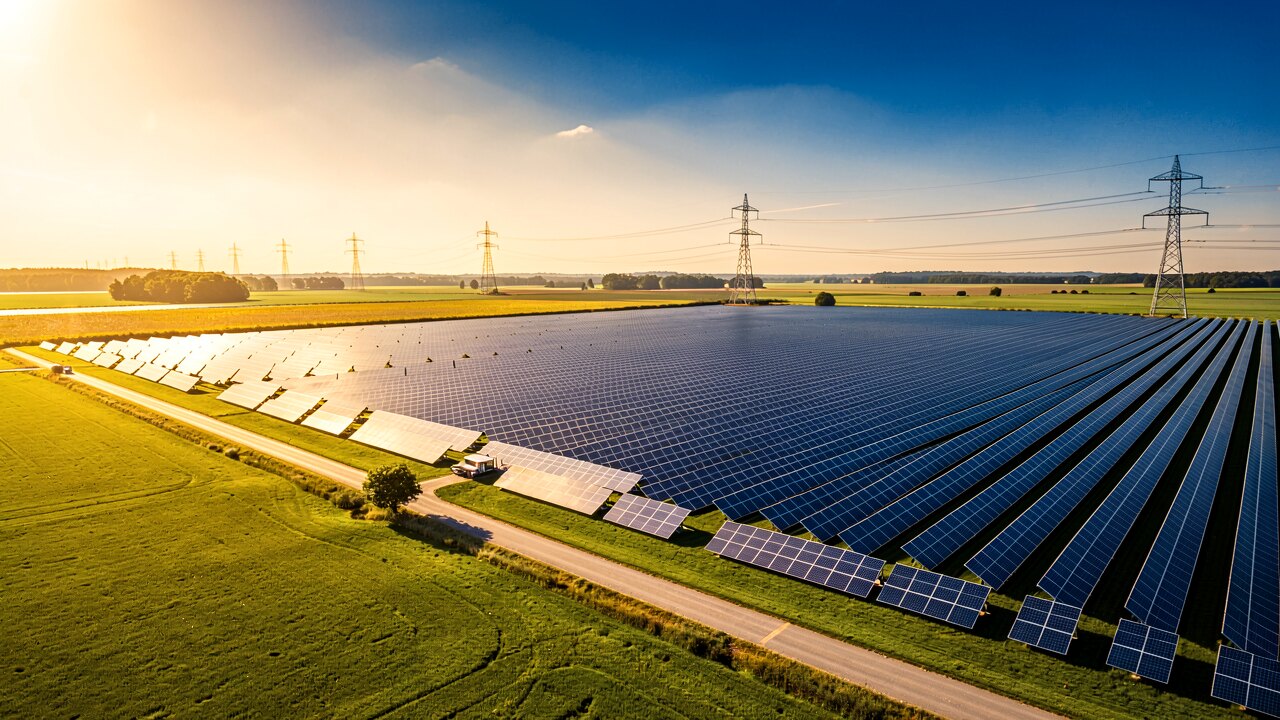
With a dynamic tariff you can see the next day's hourly prices, published in the afternoon after the day-ahead market clears. Look for the two cheap windows (overnight and midday) and the two expensive windows (morning and evening). Plan to run flexible loads inside the cheap hours and avoid the peaks — that is where the whole saving comes from.
Shift anything that can wait or run automatically: EV charging, heat pump or hot-water heating, battery charging, dishwasher, washing machine and dryer. Running these overnight or at solar midday instead of during the evening peak is the practical way to benefit from the daily curve. Fixed base loads (fridge, standby) can't move, so focus on the big, schedulable consumers.
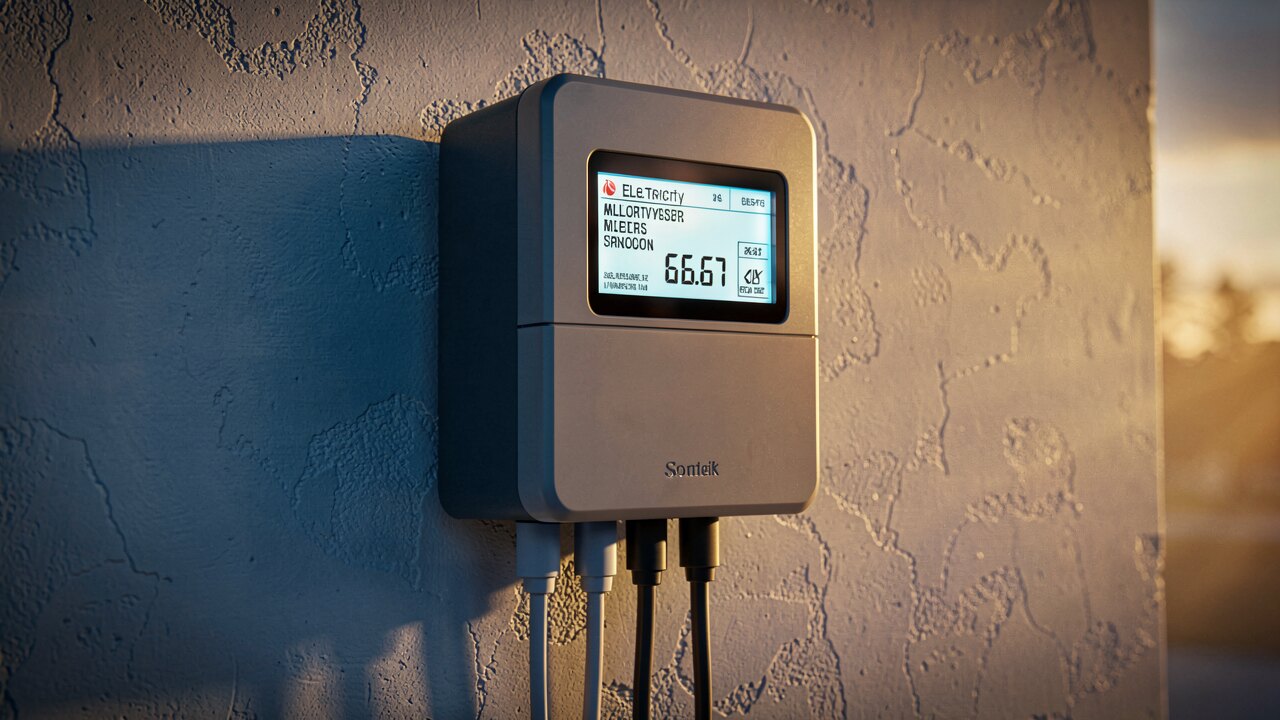
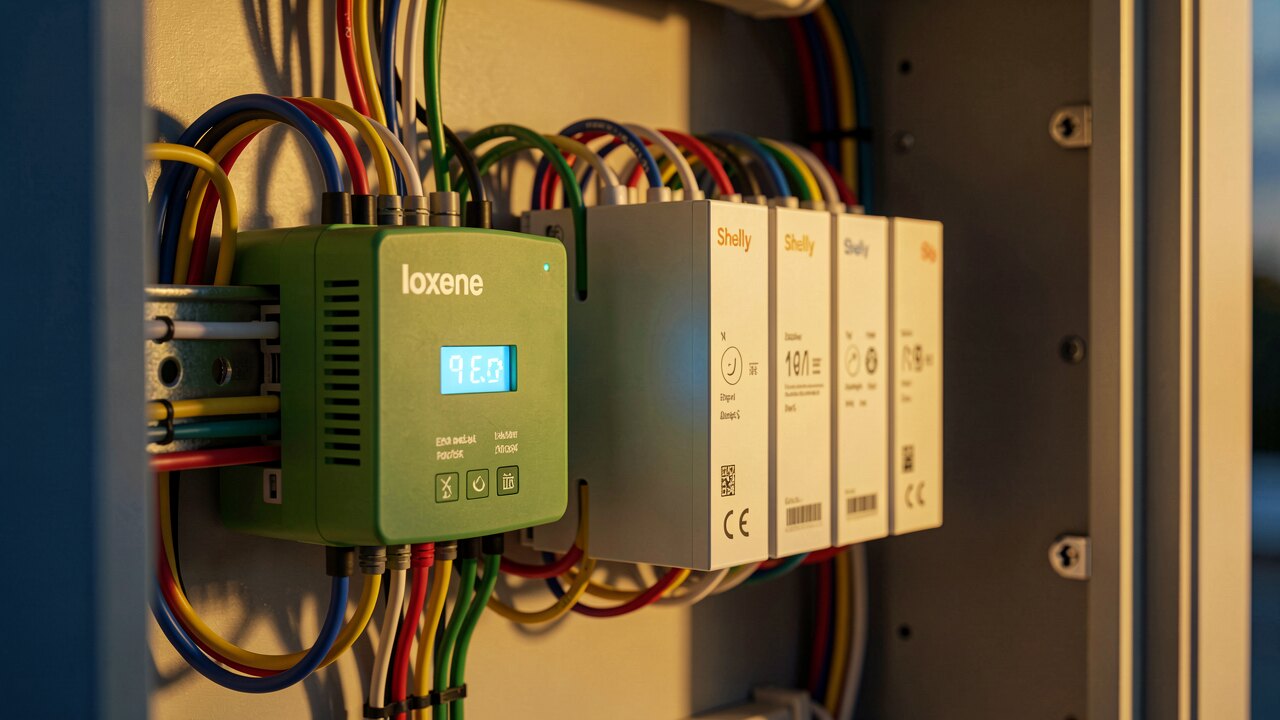
You need a smart meter (in Germany an iMSys / intelligentes Messsystem) so consumption is recorded per interval, plus a dynamic tariff contract. Automation helps most: a price-based controller can detect low-price hours and start energy-intensive processes automatically, so you capture the savings without watching the price every hour.
It depends on how much of your load you can move. If a large share of your consumption is flexible (EV, heat pump, battery, big appliances), the daily price swing gives you real room to save by shifting into cheap hours. If your usage is small, fixed and mostly in the evening peak, the benefit is limited and a fixed tariff may be simpler.