Efficient Data Center Cooling: What Works and Why
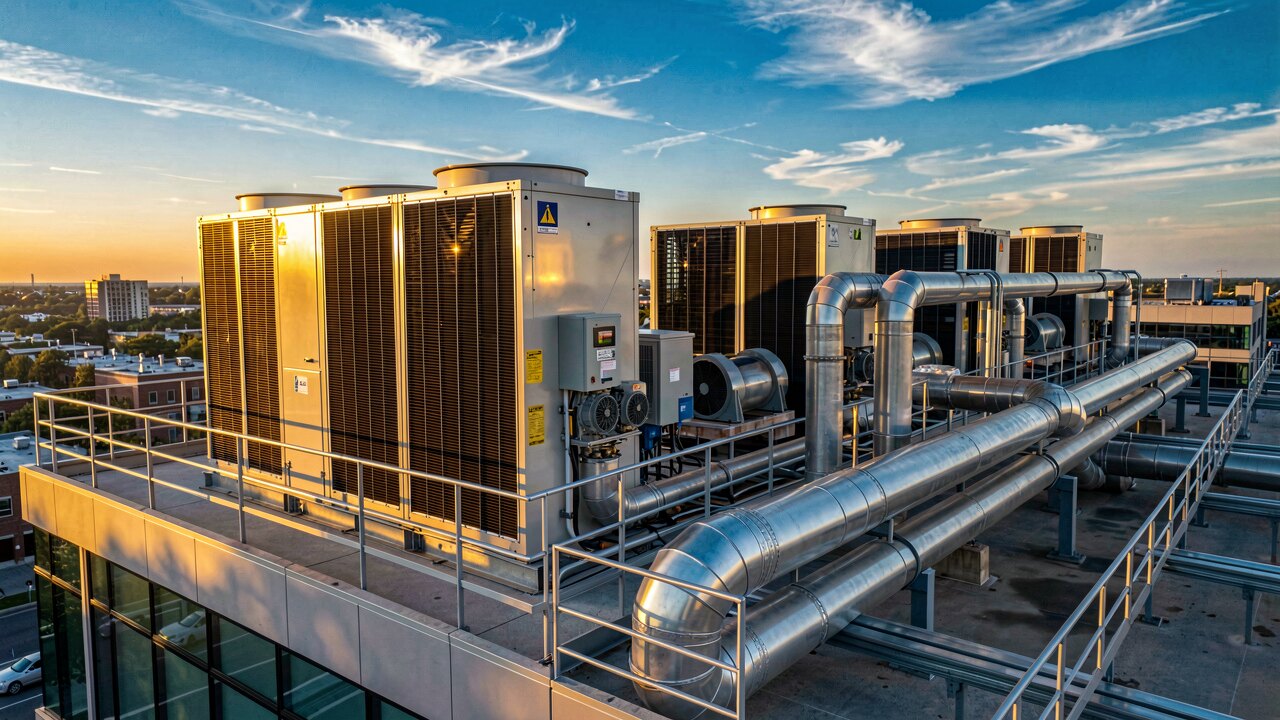
Cooling can account for roughly 40% of a data center's energy use, so it is the fastest lever for cutting the power bill. This guide answers what makes cooling efficient and the concrete steps to get there — before you spend on new hardware.
Efficient cooling means removing the same server heat with less electricity. The three biggest wins, in order: (1) stop mixing hot and cold air (hot/cold aisle containment), (2) raise the chilled-water supply temperature so the chiller works less, and (3) use free cooling from outside air whenever the climate allows. Do these three before buying new equipment.

Separate hot exhaust from cold intake. Use hot-aisle or cold-aisle containment, blanking panels in empty rack slots, and sealed cable cutouts. Without containment, cold air leaks and mixes with hot air, so the cooling system runs harder to hit the same rack-inlet temperature. This is a low-cost fix with immediate effect.

A common waste is a fixed low set point — running chilled water at 6°C when 12°C would keep servers safe. Modern IT equipment tolerates warmer inlet air (ASHRAE recommends up to ~27°C at the rack inlet). Every degree you raise the supply temperature reduces chiller load and unlocks more hours of free cooling.
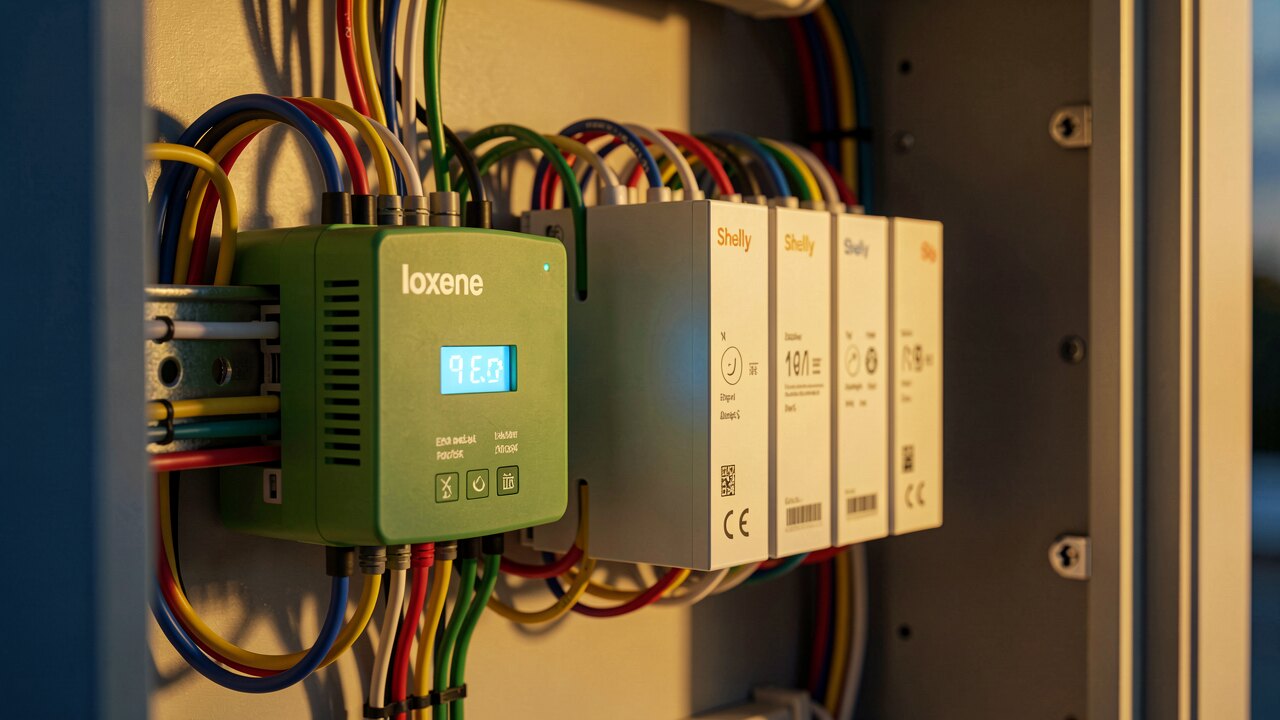
When outside air or water is cool enough, bypass or offload the compressor (air-side or water-side economizers). Also check chiller sizing: a 500 kW chiller serving a 300 kW load runs inefficiently at part load. Match capacity to real demand and stage multiple smaller units instead of one oversized machine.
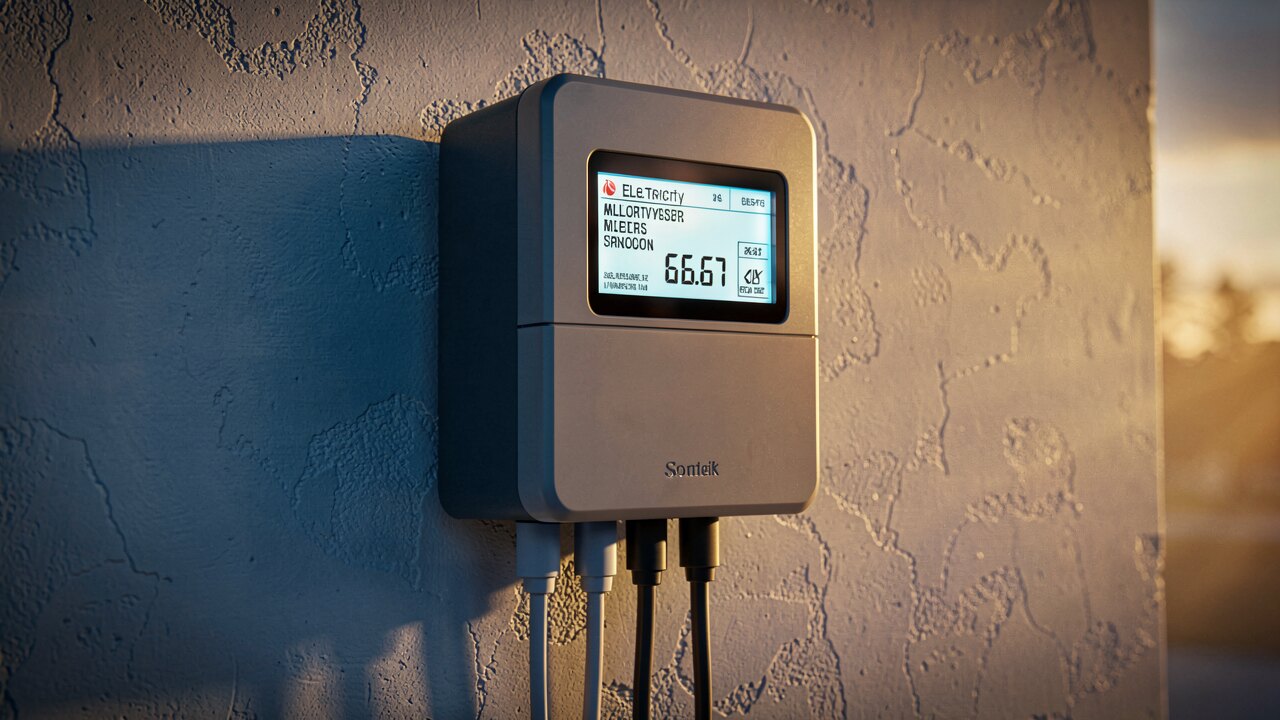
You cannot optimize what you do not measure. Continuous monitoring of inlet temperatures, chiller performance, and load curves reveals dirty condensers, drifting set points, and peak-hour overcooling. AI-supported monitoring of large chiller plants — proven in hot climates like Dubai — flags waste and tunes operation in real time, targeting the biggest energy block first.
Track Power Usage Effectiveness (PUE = total facility energy ÷ IT energy). A PUE of 2.0 means you spend as much on cooling and overhead as on computing; efficient facilities push toward ~1.2–1.5. Watch PUE before and after each measure so you spend on what actually moves the number.