Electricity Marketing Strategy: How to Sell the Power You Produce
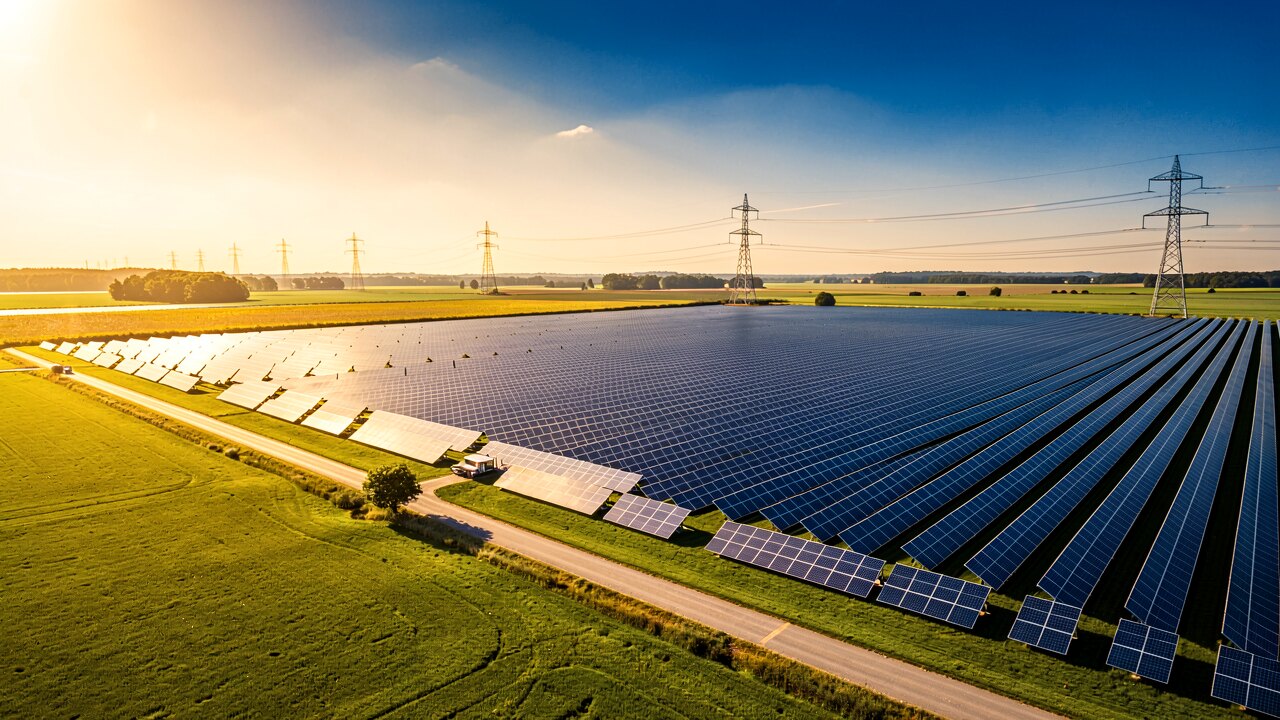
A power marketing strategy defines how you turn generated electricity into revenue - by feeding it into the grid, selling it on the exchange, or using it yourself. The right choice depends on plant size, technology and how much price risk you want to carry.
1) Fixed feed-in tariff (EEG) - a guaranteed rate, lowest effort, but capped upside. 2) Direct marketing with market premium - your power is sold on the EPEX Spot exchange and the state tops up the difference to your reference value; mandatory in Germany for larger EEG plants. 3) PPA (Power Purchase Agreement) - a long-term fixed-price contract with a buyer or utility. 4) Self-consumption - you use the power on site and avoid buying it, often the highest per-kWh value.
Small rooftop PV: fixed feed-in tariff plus maximised self-consumption is usually simplest. Mid-size PV, wind or CHP: direct marketing with market premium via a direct marketer captures spot prices while keeping a floor. Large plants past subsidy or without EEG support: a PPA locks in a price for years and improves financing. Plants with a battery: add spot arbitrage and self-consumption on top of any of these.
You sign a contract with a direct marketer (for example Trianel and others) who bundles your output and trades it on the day-ahead and intraday markets of EPEX Spot. They forecast your generation, place the bids, and handle balancing-energy obligations. You pay a marketing fee per MWh; in return you receive the exchange price plus the market premium, which usually beats a plain fixed tariff over the year.

With 60-minute and 15-minute prices on EPEX Spot, values swing throughout the day. A battery storage system (BESS) lets you charge when prices are low or negative and discharge when they are high - day-ahead arbitrage. This shifts you from passively selling whatever you produce to actively timing the market, and can be combined with self-consumption and balancing (Regelenergie) revenue for a multi-stream strategy.
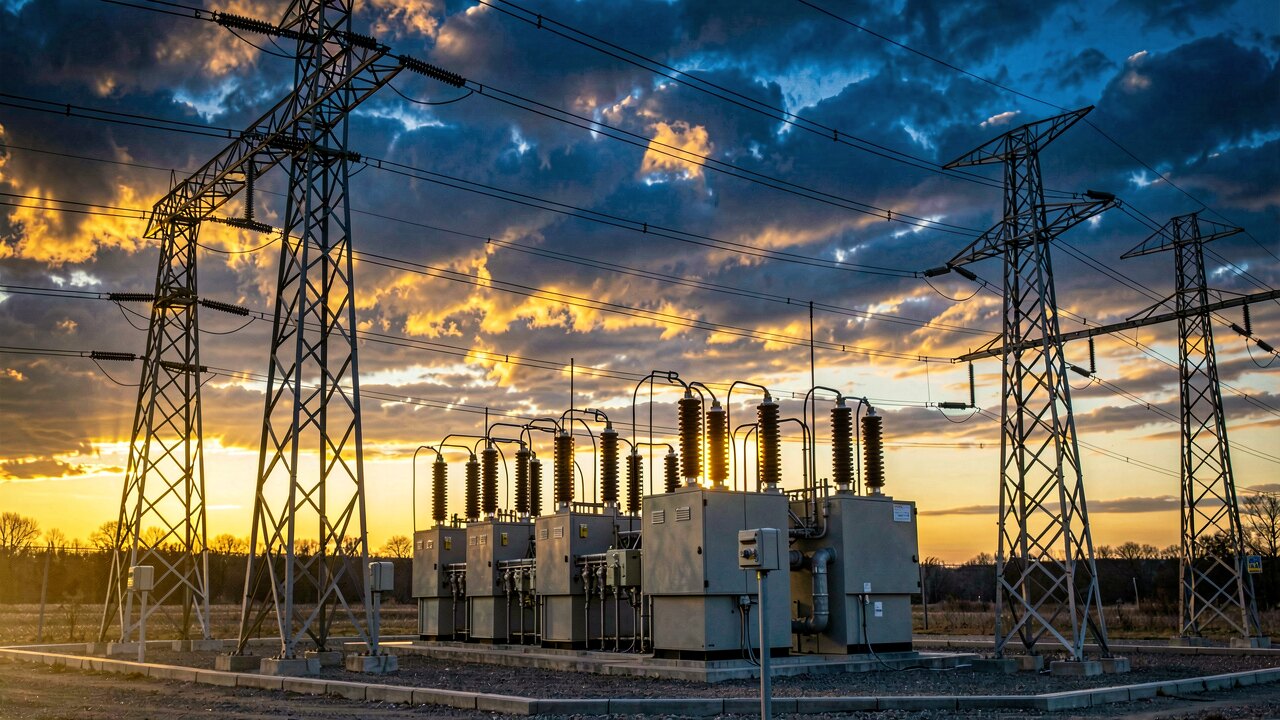
Selling on the exchange means exposure to low and negative prices, which occur when renewable feed-in is high and demand is low. In these hours a plant may earn little or nothing, and rules can limit remuneration during sustained negative prices. A good strategy plans for these hours - by curtailing, storing, or shifting load - rather than feeding in blindly.
1) Confirm plant size and whether EEG support applies. 2) Estimate your self-consumption share first - it is often the most valuable kWh. 3) Compare a fixed tariff versus the direct-marketing market premium for the remaining export. 4) For large volumes, get PPA quotes. 5) If you have or plan storage, model spot arbitrage and balancing on top. 6) Compare marketing fees and contract terms (notice periods, skim clauses) before signing.