Energy Analysis: Definition, Steps and What You Get
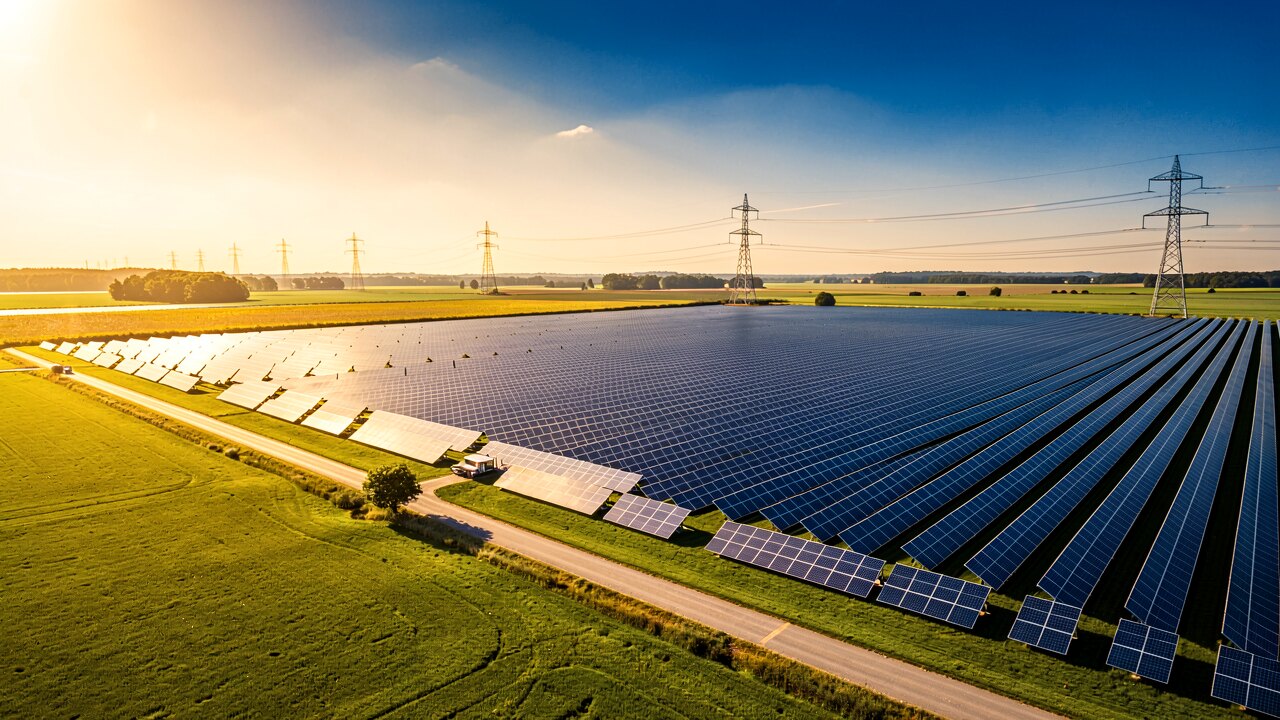
An energy analysis is a systematic review of how a building, machine or plant uses electrical energy in order to find waste and inefficiency. It combines measured data (loads, consumption, timing) with an assessment of where energy is lost and how much it costs.
It is the measured examination of your energy flows: how much power is drawn, when, and by which loads. Instead of relying on the annual bill, it uses time-resolved measurements to show idle consumption, load peaks and inefficient equipment — so savings are based on real data, not estimates.
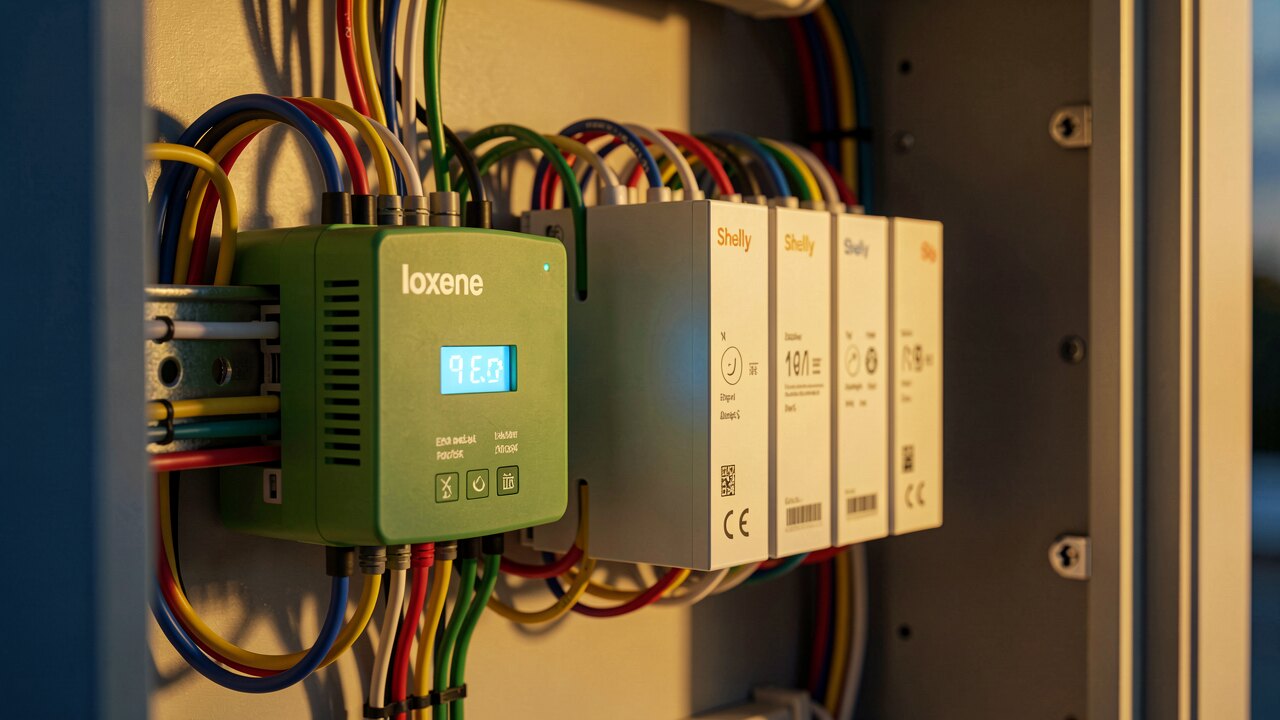
1) Record consumption over time with metering or a monitoring diary. 2) Identify anomalies, idle loads and load peaks. 3) Add a network analysis to check power quality and drives. 4) Quantify waste and its cost. 5) Derive concrete measures and priorities. This sequence turns raw readings into an actionable savings plan.
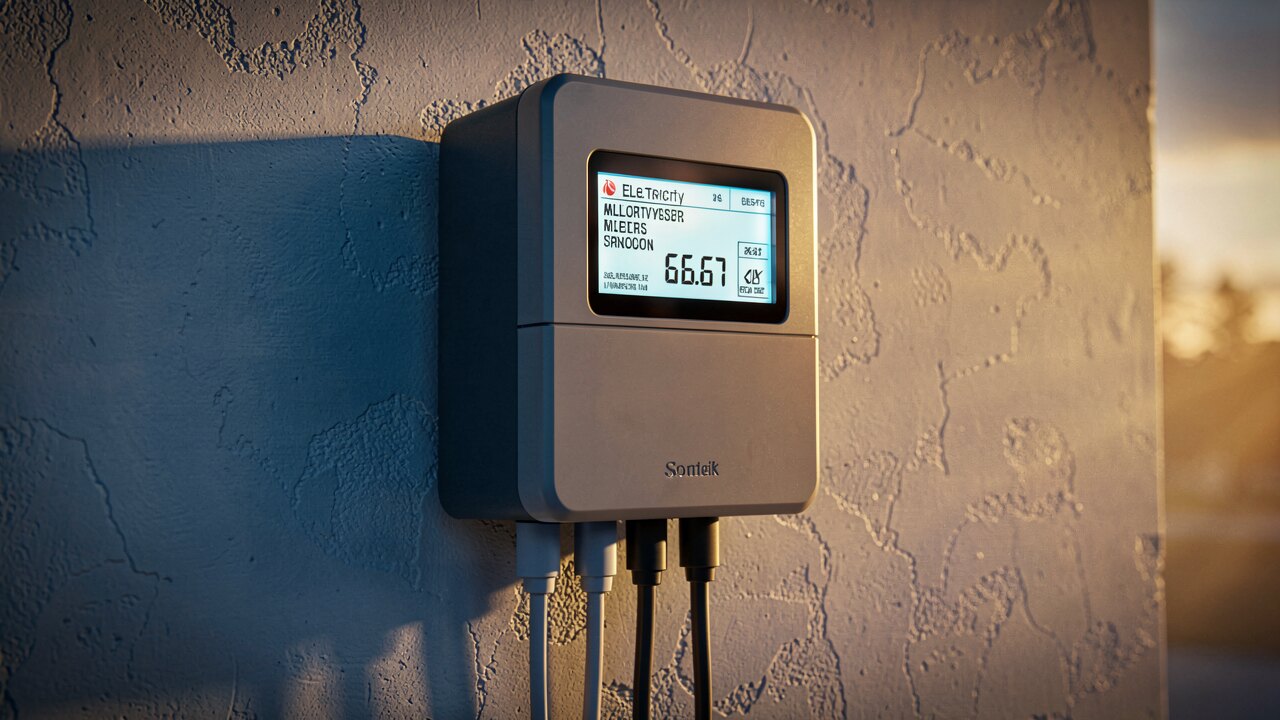
A network (grid) analysis inspects power quality and how motors and drives behave. Drives that run continuously and consume a lot of energy when idle are a common culprit — in one Stromfee case, optimizing them cut drive energy costs by 20%. Doing this before further optimization ensures you fix the real problem, not the symptom.

Beyond electricity, an analysis can correlate several data streams. Stromfee's monitoring diary, for example, records wind speed, precipitation, outdoor temperature and humidity, and indoor temperature and CO₂ — useful when energy use shifts during construction work or seasonal changes, because it separates weather effects from genuine inefficiency.
The outcome is transparency: a clear picture of consumption, flagged anomalies, quantified waste, and a ranked list of measures. This lets you improve energy efficiency, plan investments, and — where applicable — apply for funding, since the analysis documents the baseline and the expected effect.
The introduction of efficient energy management, including network and drive analysis, is supported in many countries. In Germany, BAFA funding offers support of up to 40% of the investment costs. Stromfee assists with the application to help secure the maximum available funding.