Energy Costs of a High-Performance Computer: How to Calculate Them

A high-performance computer's energy cost is its electricity price multiplied by continuous power draw over time — and cooling can add 30–40% on top of the compute load. This page shows the exact formula, typical figures, and how to bring the bill down.
Annual energy cost = power (kW) × operating hours × price (€/kWh). A rack pulling 30 kW at €0.25/kWh running 8,760 h/year costs about €65,700 — before cooling. Multiply power by a PUE factor (typically 1.3–1.6) to include cooling and losses.
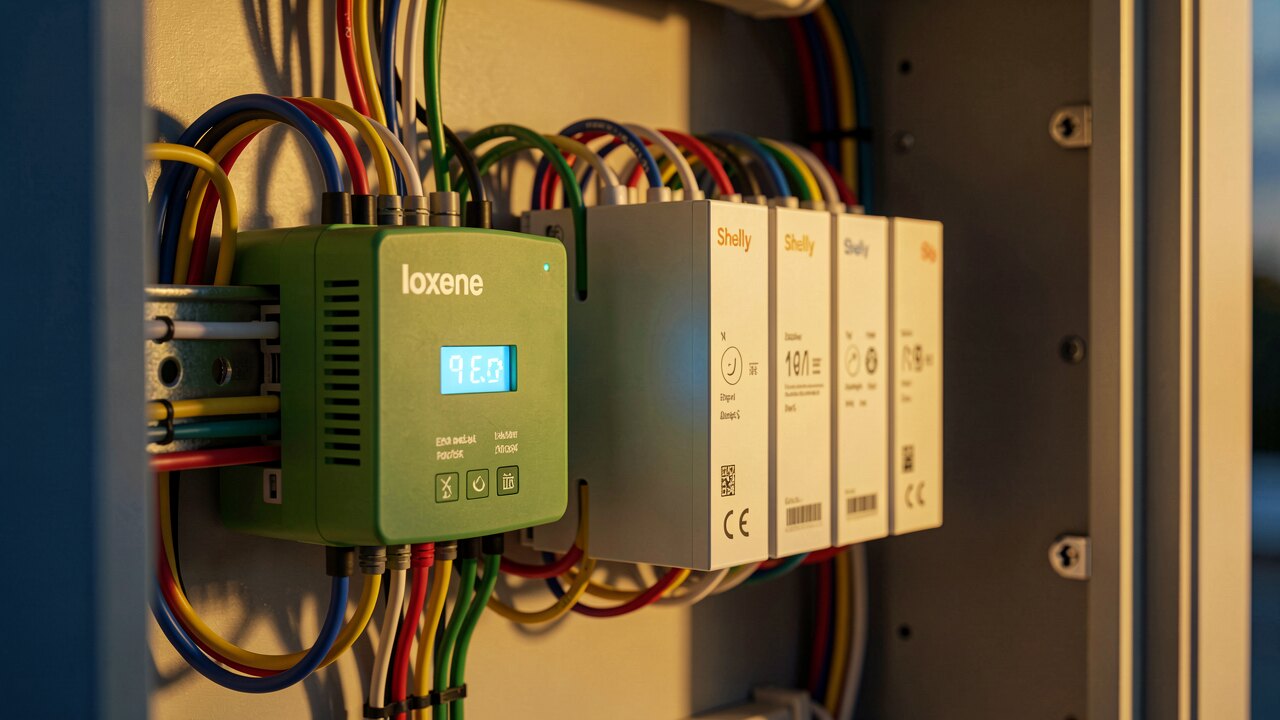
HVAC and cooling systems in large compute campuses consume roughly 30–40% of total power draw (as seen at hyperscale sites like the AirTrunk APAC campus, a 320 MW facility). That means for every 100 kW of chips, you pay for another 30–40 kW just to move the heat away.
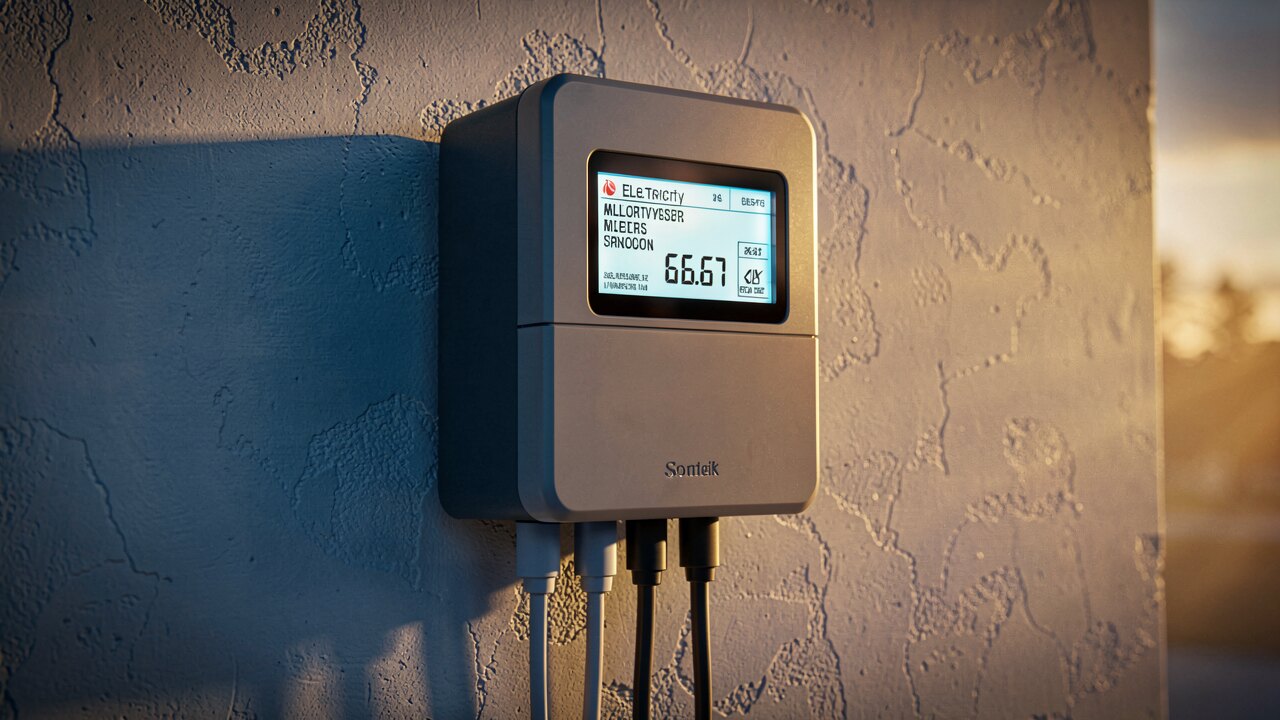
Take a single HPC node at 2 kW running continuously: 2 kW × 8,760 h = 17,520 kWh/year. At €0.25/kWh that is €4,380. Apply a PUE of 1.4 for cooling and overhead and the real figure is about €6,132 per node, per year.

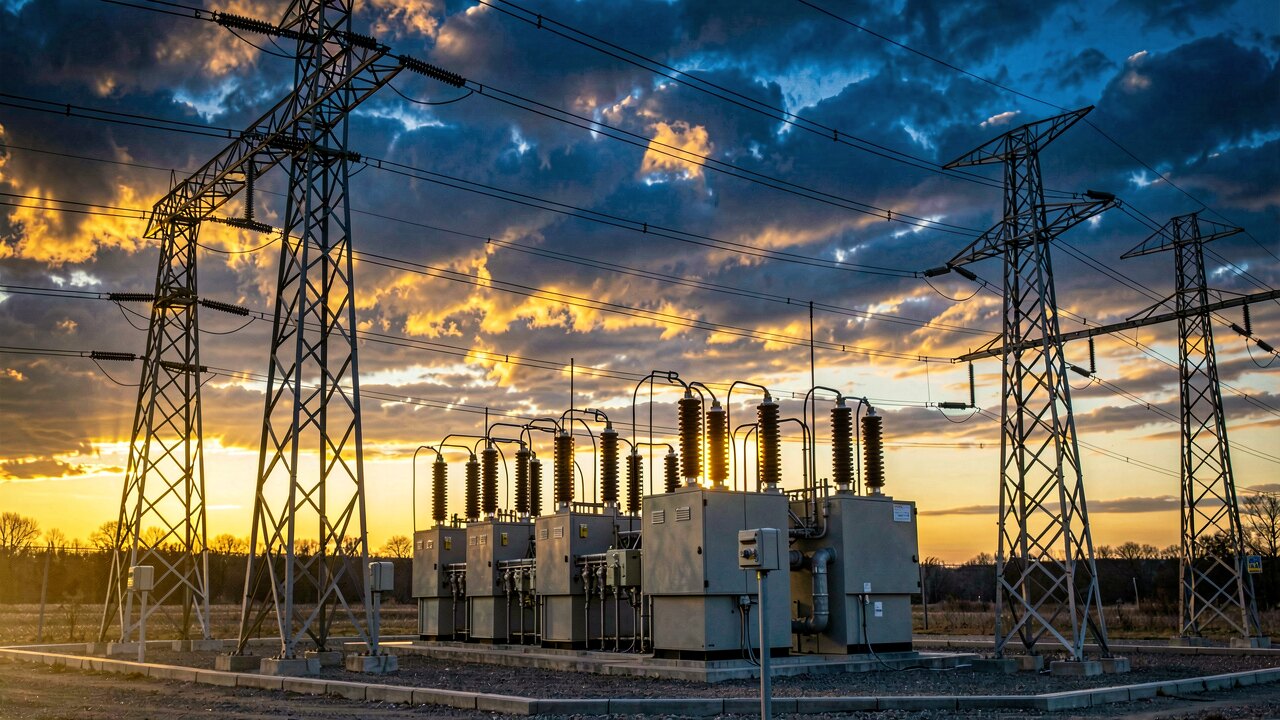
Large campuses are rated in megawatts, not kilowatts. A 320 MW site running near capacity draws roughly 2.8 TWh per year — a bill measured in hundreds of millions of euros. This is why site selection follows cheap, stable power, and why every percent of efficiency translates into large sums.
1) Improve PUE with free cooling and higher inlet temperatures. 2) Shift flexible workloads to hours when the market price is low. 3) Consolidate idle nodes so you stop paying for cooling on unused hardware. 4) Track real power draw against real electricity prices instead of a fixed tariff assumption.
Electricity prices swing hour by hour on the day-ahead market. Running batch or training jobs during the cheapest hours — and pausing during peaks — can noticeably lower cost without new hardware. Tools like Stromfee's Flex Optimizer align load with live EPEX day-ahead prices for exactly this.