Energy Demand of Climate-Controlled Stadiums
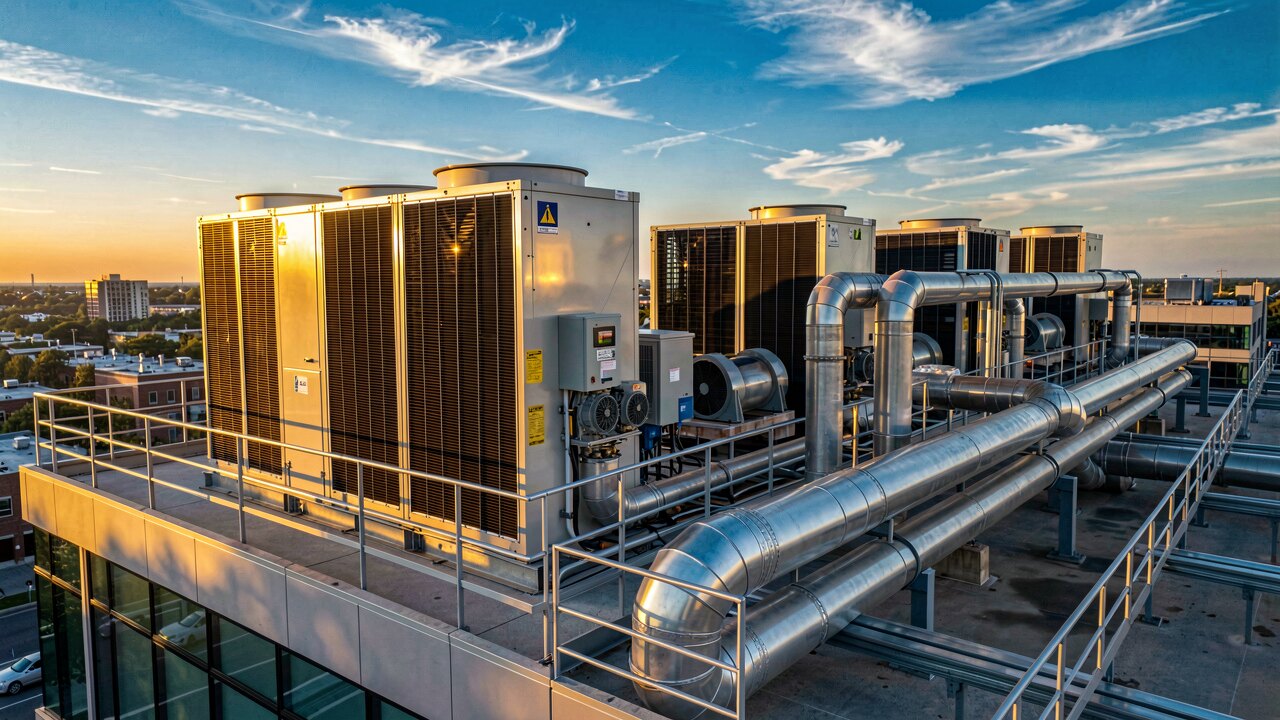
Cooling is the single largest electricity consumer in a climate-controlled stadium — typically around 40% of total energy use, ahead of LED floodlights and video walls. The exact demand depends on climate, roof type, crowd size and how the chillers are run, but the cooling load is what drives the peak.
In a fully air-conditioned stadium, chillers, cooling towers and cold storage make up roughly 40% of total energy consumption — the biggest single block. LED floodlights rank second and LED video walls third. That means if you want to lower a stadium's energy demand, the cooling system is where the largest, fastest savings sit.
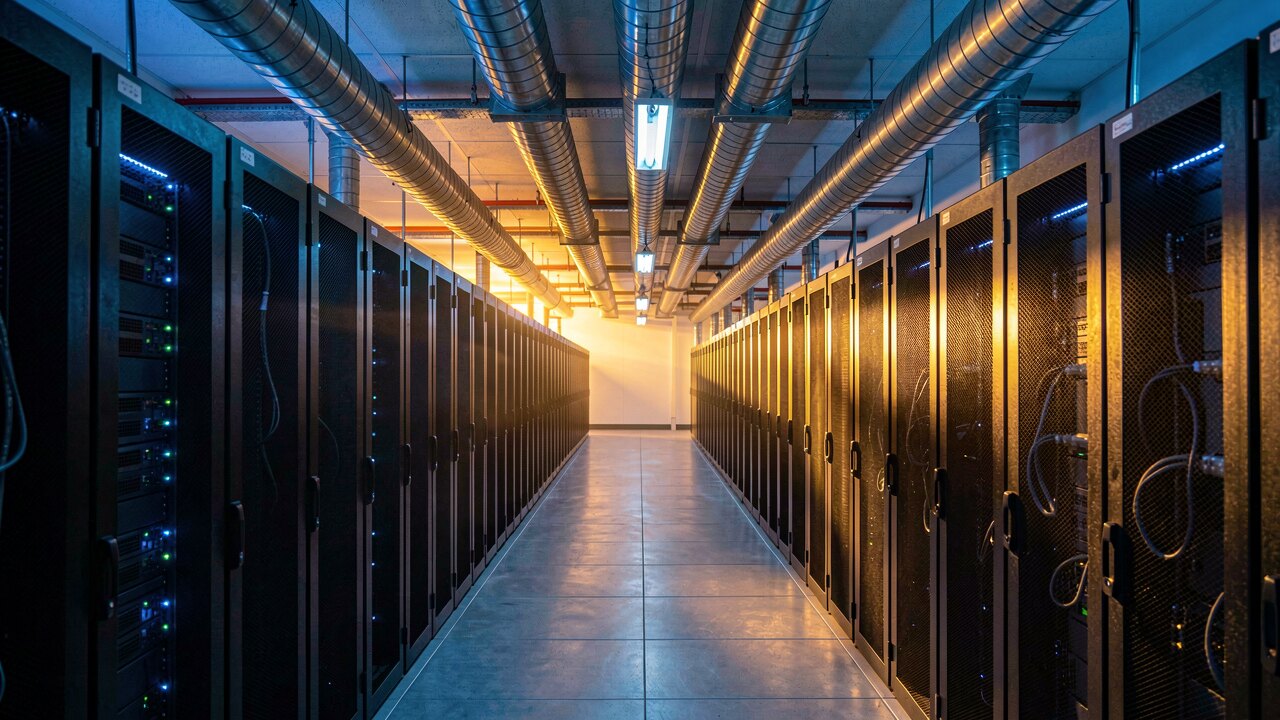
Peak cooling demand is set by outdoor temperature, solar heat gain through roof and facade, and body heat from a full crowd. A packed 60,000-seat bowl adds a large, concentrated heat load during the match. Because everyone arrives before kickoff, cooling demand spikes sharply — and if that peak lands at midday, it also coincides with the most expensive electricity.
Most stadiums don't run at their theoretical minimum. Common issues: oversized chillers (e.g. a 500 kW chiller serving a 300 kW load runs inefficiently at part load), a fixed 6 °C flow temperature even when 12 °C would suffice, chillers pushed to maximum at midday on the priciest power, and dirty condensers that quietly raise consumption. Each of these inflates the real energy bill above what the building physically needs.
The cheapest kilowatt-hour is the one you never need. Reducing heat ingress cuts cooling demand before any chiller runs: electrochromic (smart) glass darkens on demand, and a green roof can lower surface temperature by about 5 °C. Together, load-reduction measures can trim the cooling requirement by roughly 25%, which directly shrinks chiller size, peak demand and running cost.
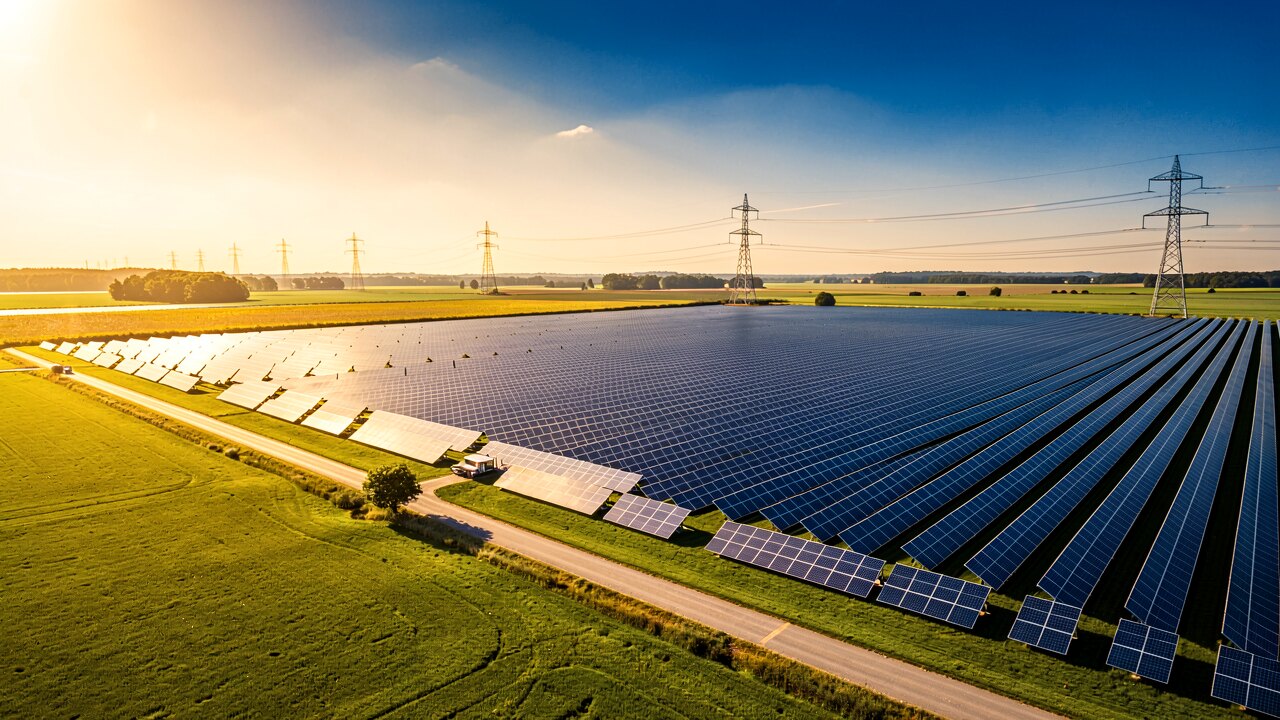
Modern stadiums increasingly meet part of their demand locally. Gillette Stadium in Foxborough, for example, pairs about 1 MW of solar with 2 MW of fuel cells and uses demand-response to shift or shed load during grid peaks. On-site generation plus flexible loads doesn't remove the cooling demand, but it changes how much of it is bought from the grid at peak prices.
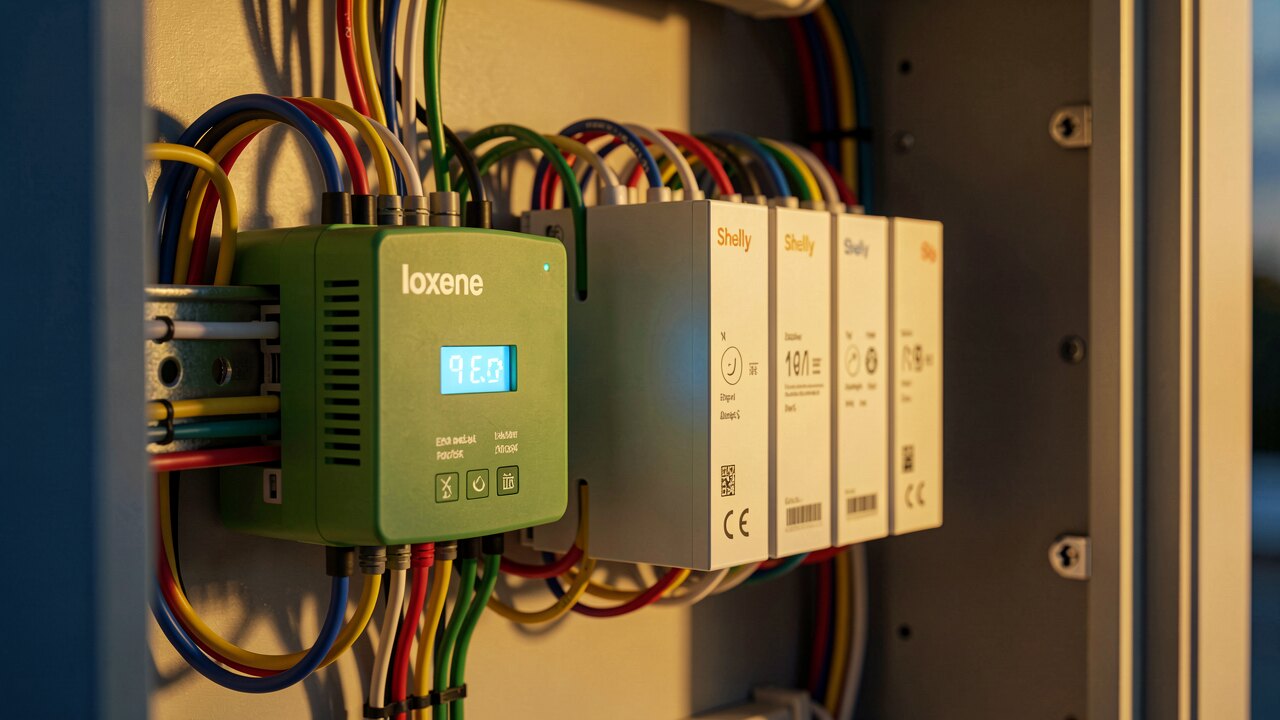
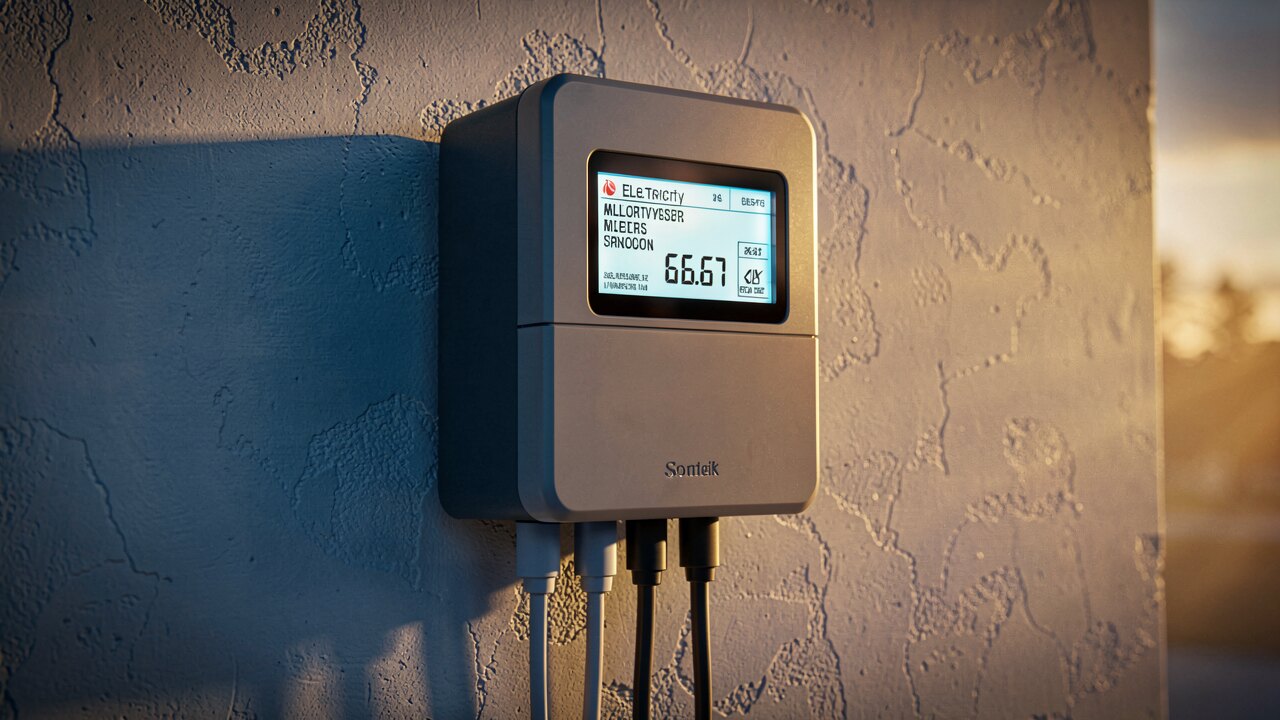
You can't optimize what you can't see. Before resizing chillers or adding generation, meter the real load in real time — cooling, lighting, video walls and auxiliaries separately — so the actual peak and its timing are known rather than assumed. This turns 'the stadium uses a lot of power' into a specific, addressable demand profile.