Energy Monitoring and the RVO Obligation in the Netherlands
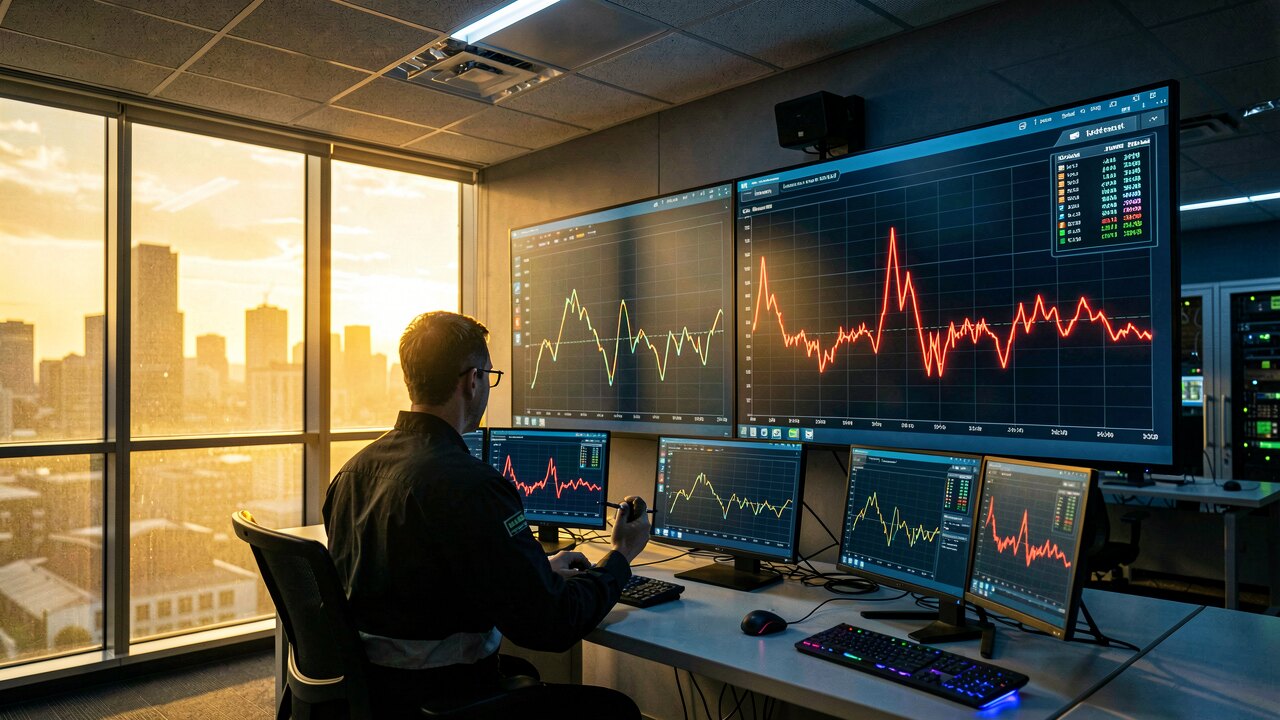
RVO (Rijksdienst voor Ondernemend Nederland, the Netherlands Enterprise Agency) is the Dutch government body that administers the energy-saving obligation and its reporting duty. Energy monitoring is how you find out whether you fall under that obligation and how you prove which saving measures you have taken.
It refers to two connected things: (1) RVO, the Dutch agency that enforces the energy-saving obligation (energiebesparingsplicht) and the information obligation (informatieplicht energiebesparing), and (2) energy monitoring, the continuous measurement of your electricity, gas and heat use. Monitoring supplies the consumption data you need to check whether the obligation applies to you and to document the measures you report to RVO through its eLoket.
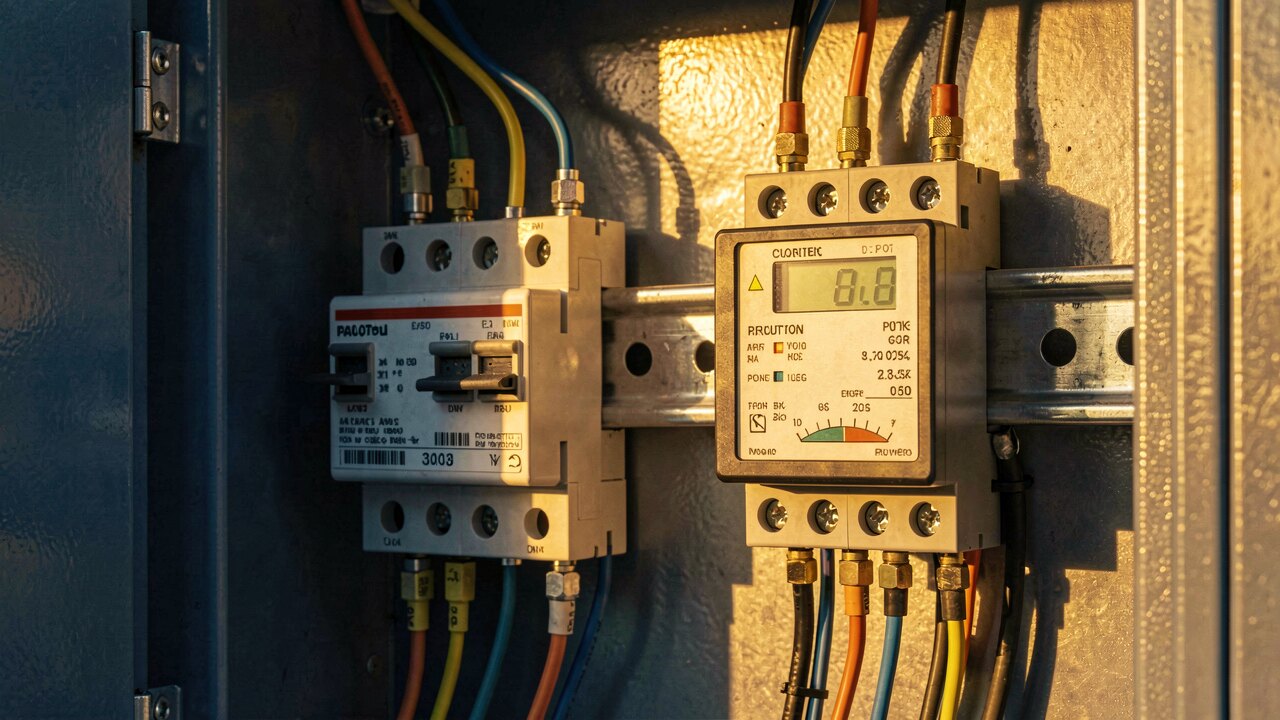
The energy-saving obligation generally applies to companies and institutions in the Netherlands that use at least 50,000 kWh of electricity or 25,000 m³ of natural gas equivalent per year at a location. If your site stays below both thresholds, you are normally exempt. Energy monitoring answers this directly — it shows your actual annual consumption per location instead of a rough estimate, so you know whether you are in scope before a deadline forces the question.
When you are in scope, you must report which recognised energy-saving measures you have implemented, via RVO's online eLoket. Monitoring gives you three things reporting needs: verified baseline consumption, evidence that a measure (e.g. a more efficient pump, lighting or process change) actually reduced use, and an audit trail if RVO or the local competent authority (bevoegd gezag) asks for proof. Without measured data, claims about savings are hard to substantiate.
The information obligation runs on a recurring, roughly four-yearly cycle; check the current deadline directly on rvo.nl, as exact dates are set per round and can change. Larger enterprises may additionally fall under the EED energy audit (energie-audit EED), which requires a structured overview of energy flows. Continuous monitoring reduces the effort for both duties because the required consumption picture is already collected rather than reconstructed afterwards.
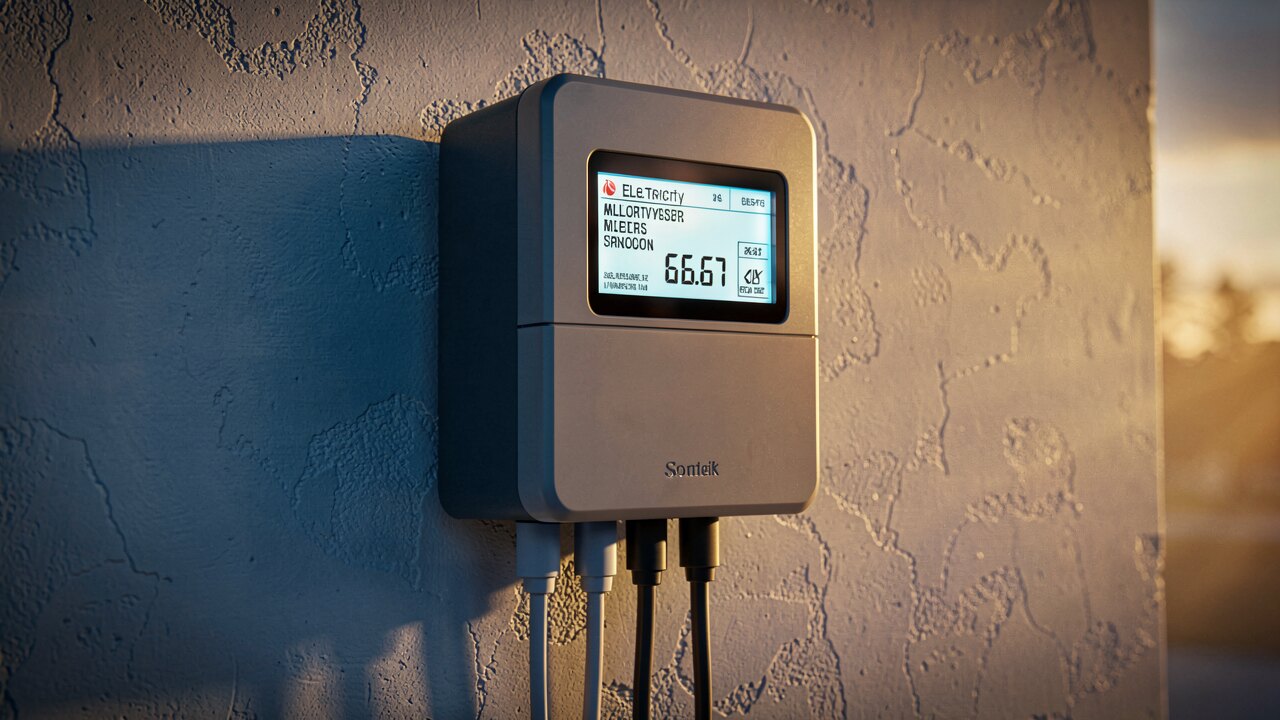
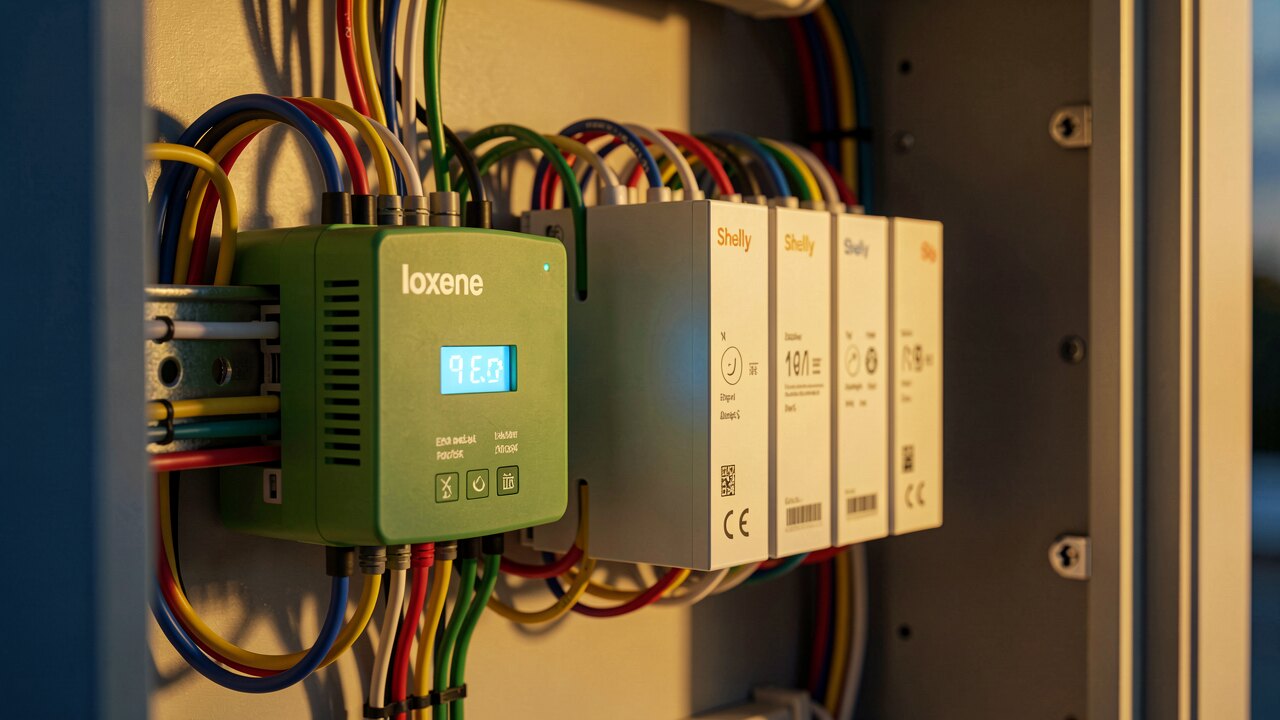
Focus monitoring on the meters that decide thresholds and savings: main electricity and gas intake per location, plus the largest sub-loads (HVAC, compressed air, pumps, refrigeration, production lines). Sub-metering these makes it clear which measure delivered which saving — the level of detail that turns an RVO report from an estimate into documented fact.