Energy Monitoring for Commercial Cooling Systems: What to Measure and How
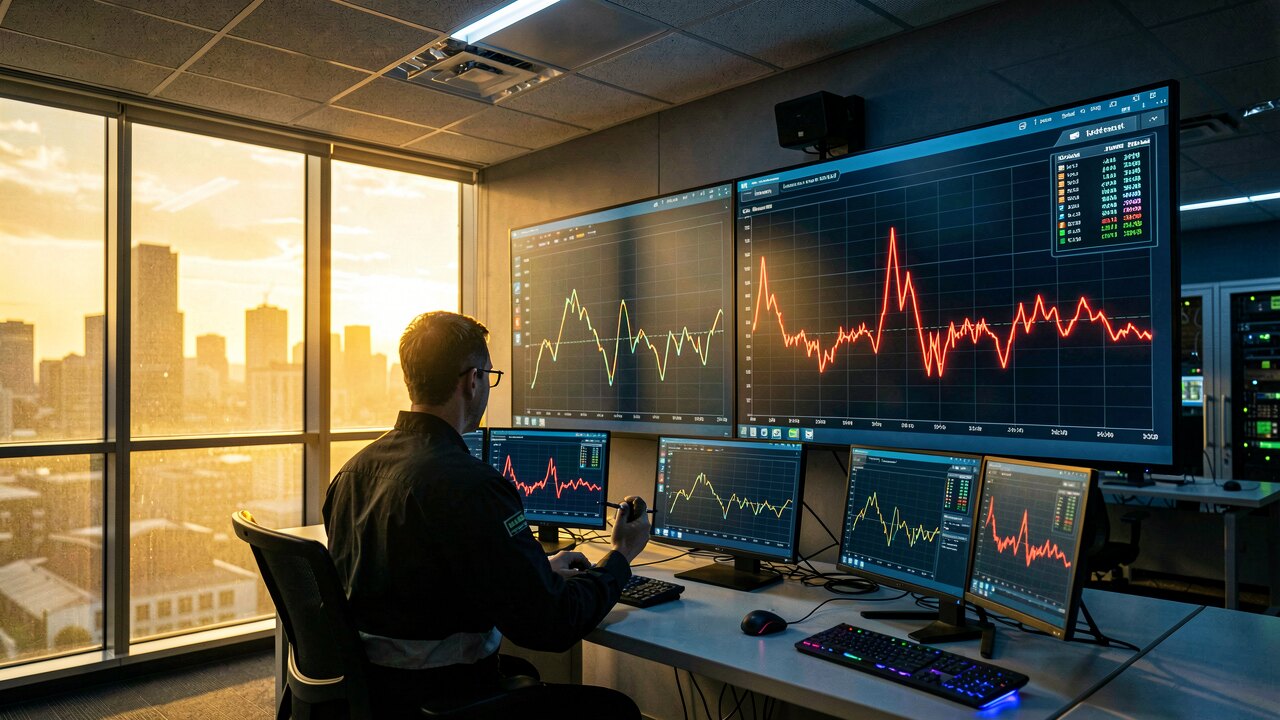
Energy monitoring for commercial cooling means metering the electricity your chillers, refrigeration and HVAC actually draw, then reading that data continuously to find waste. In most commercial sites cooling is one of the largest electrical loads, so making it visible is the single fastest way to cut cost.
Put a dedicated meter on each major cooling asset — the chiller or compressor rack, condenser and pump/fan motors — rather than relying on the single main utility meter. Sub-metering each asset separately is what turns a monthly bill into actionable data: you can see which unit drives consumption and when. If you can only start with one point, meter the compressor circuit, since that is where most of the cooling energy is used.
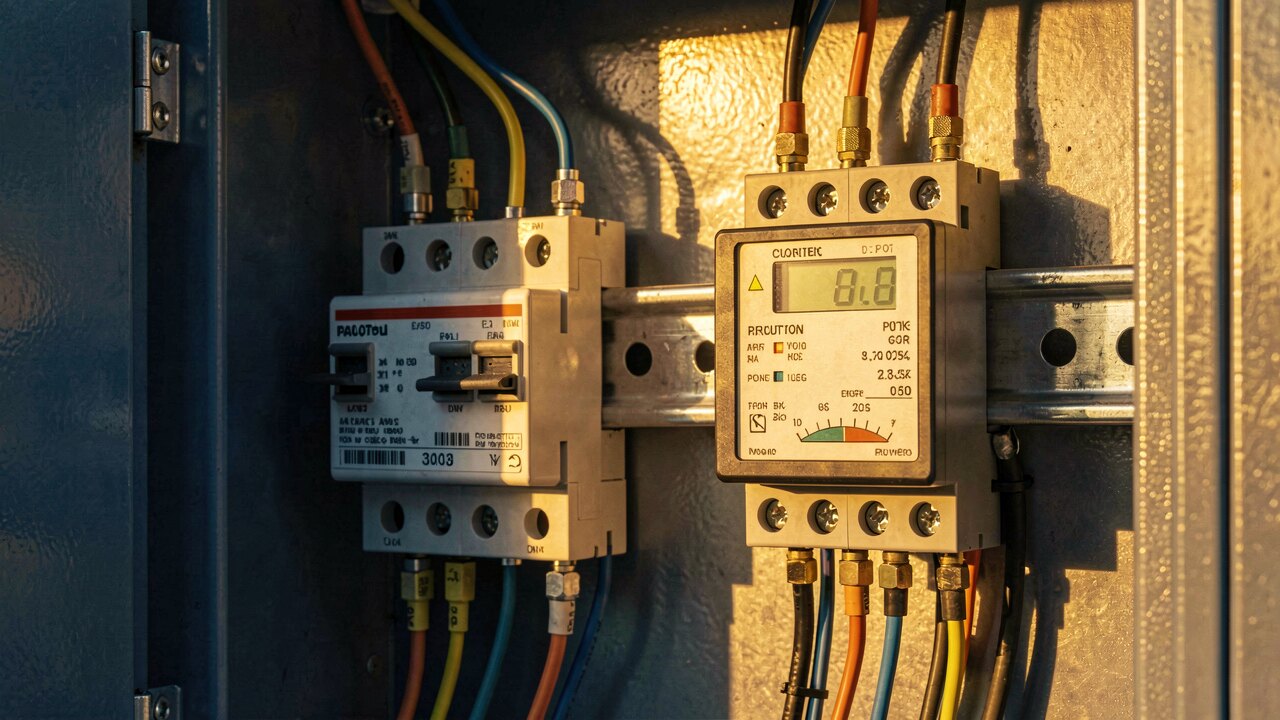
Install current/energy meters (or CTs) on the supply to each asset and log the readings continuously. Real-time monitoring shows consumption as it happens instead of weeks later on the bill, so you catch a unit that runs when it should be off, short-cycles, or draws more than usual. Combine load data with drive and grid analysis (voltage, current, power factor) to separate a genuine cooling need from a control or electrical fault.

Once each asset is visible, compare its load profile against operating hours and outdoor conditions. Typical findings: units running outside business hours, simultaneous heating and cooling, dirty condensers raising compressor draw, and demand peaks you can shift. Each of these is a targeted fix — the monitoring gives you the evidence to justify and later verify it.
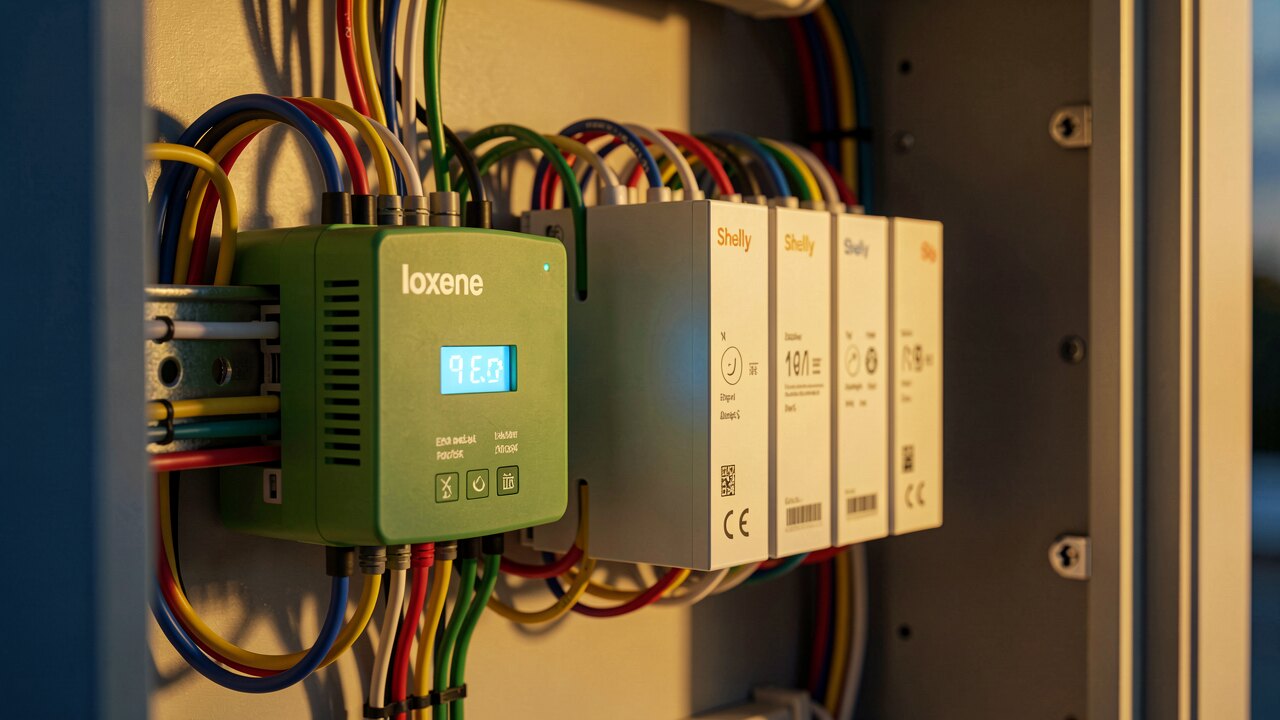
Cooling compressors starting together create sharp demand peaks that can raise your capacity or peak-demand charges. Continuous monitoring reveals when these peaks occur, so you can stagger start-ups or use peak-load management to flatten them — lowering the demand component of your bill without reducing cooling output.
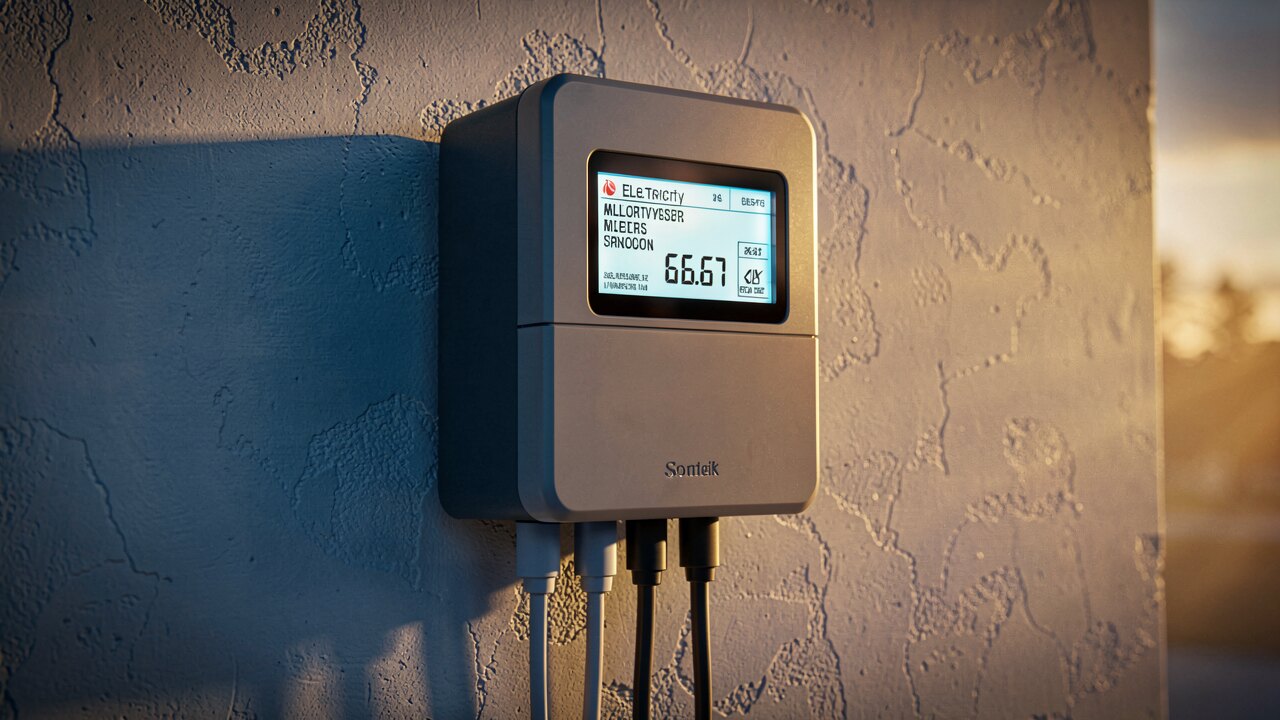
The value of monitoring depends on choosing the right measurement points and reviewing the data consistently. Poorly placed meters or data nobody looks at deliver nothing. Define what each meter covers, set a baseline for each asset, and review deviations on a regular cadence so anomalies get acted on rather than accumulating.