Feed-In Point (Einspeisepunkt): What It Is and Where It Sits
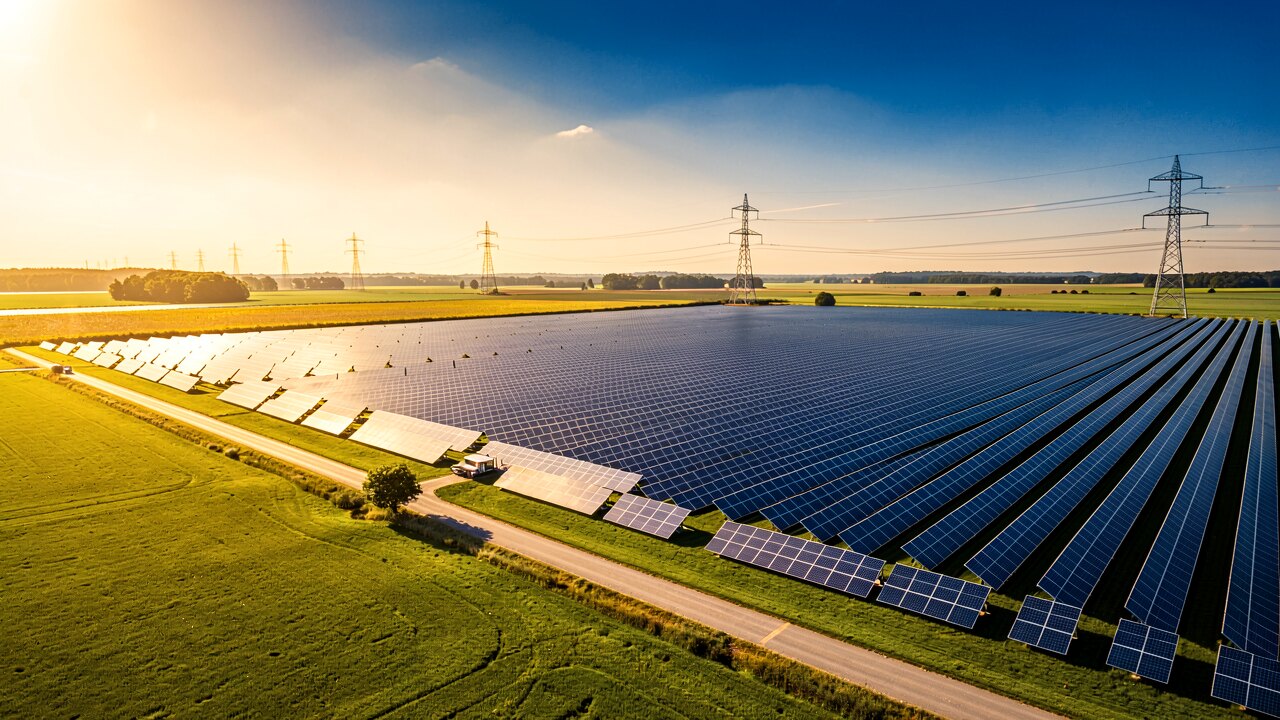
A feed-in point (German: Einspeisepunkt) is the exact spot where your generation plant hands electricity over to the public grid. It is where the metered, billed export begins — everything past it belongs to the grid operator.
The feed-in point is the physical and metering boundary at which your PV, CHP (BHKW), wind or battery system injects electricity into the distribution grid. Electrically it sits between your generator and the grid connection point (Netzanschlusspunkt). At this point the grid operator's calibrated feed-in meter records every kilowatt-hour you export — and that figure is the basis for your remuneration.
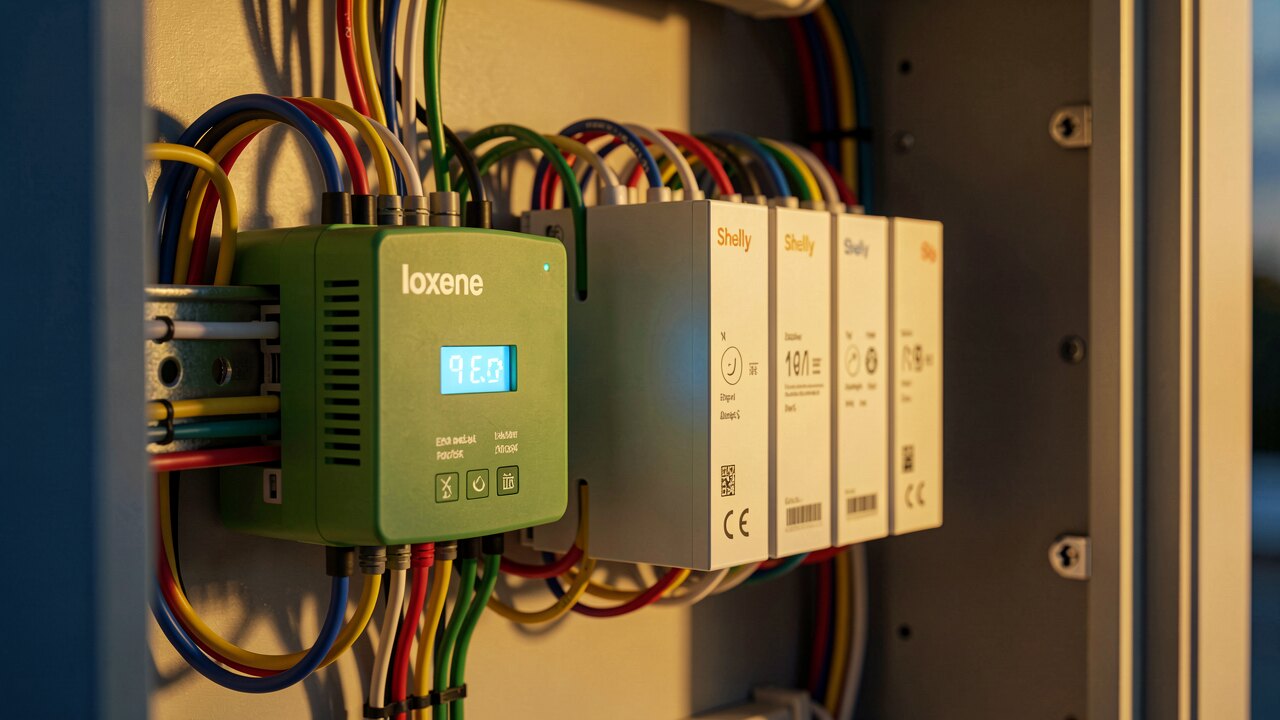
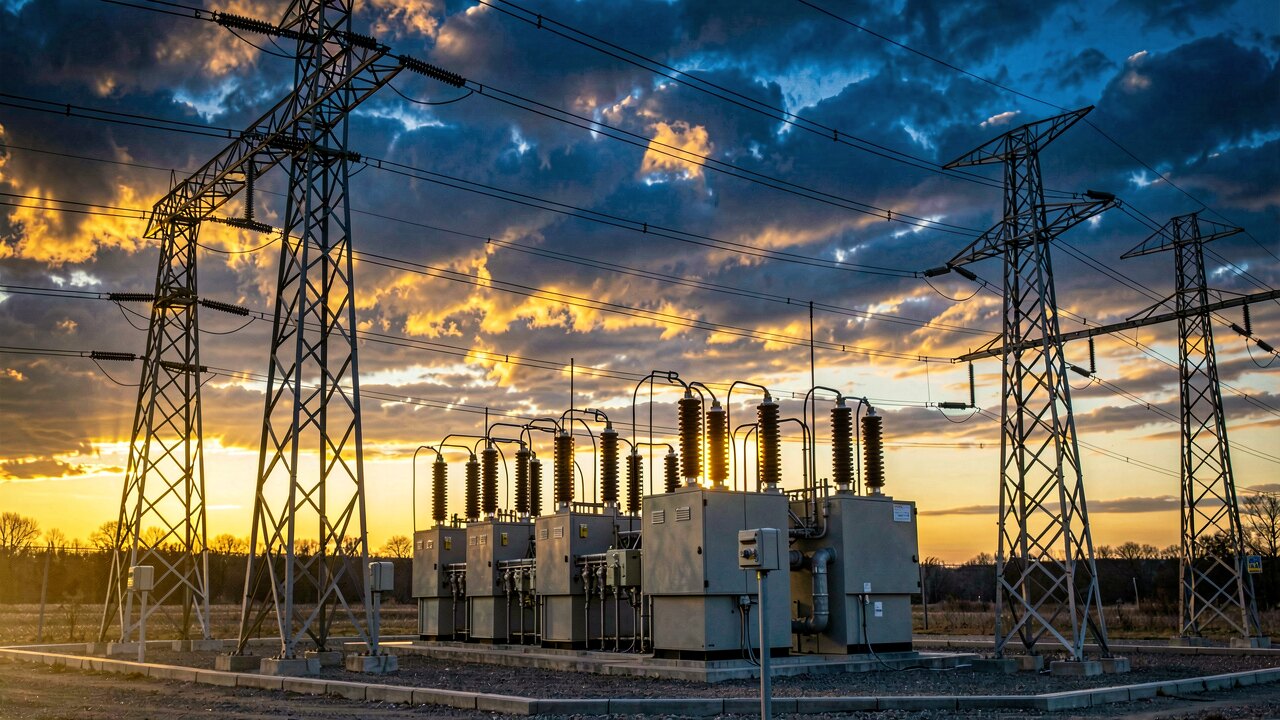
In a small PV system it is typically at your main meter cabinet, right after the calibrated bidirectional or feed-in meter. In a CHP plant it sits between the generator and the network transfer point, so that self-consumed and exported energy can be told apart. In a utility-scale park it is the grid connection point on the medium-voltage side, downstream of the transformers — for example one 20 kV feed-in point after three transformers in a 10 MW plant.
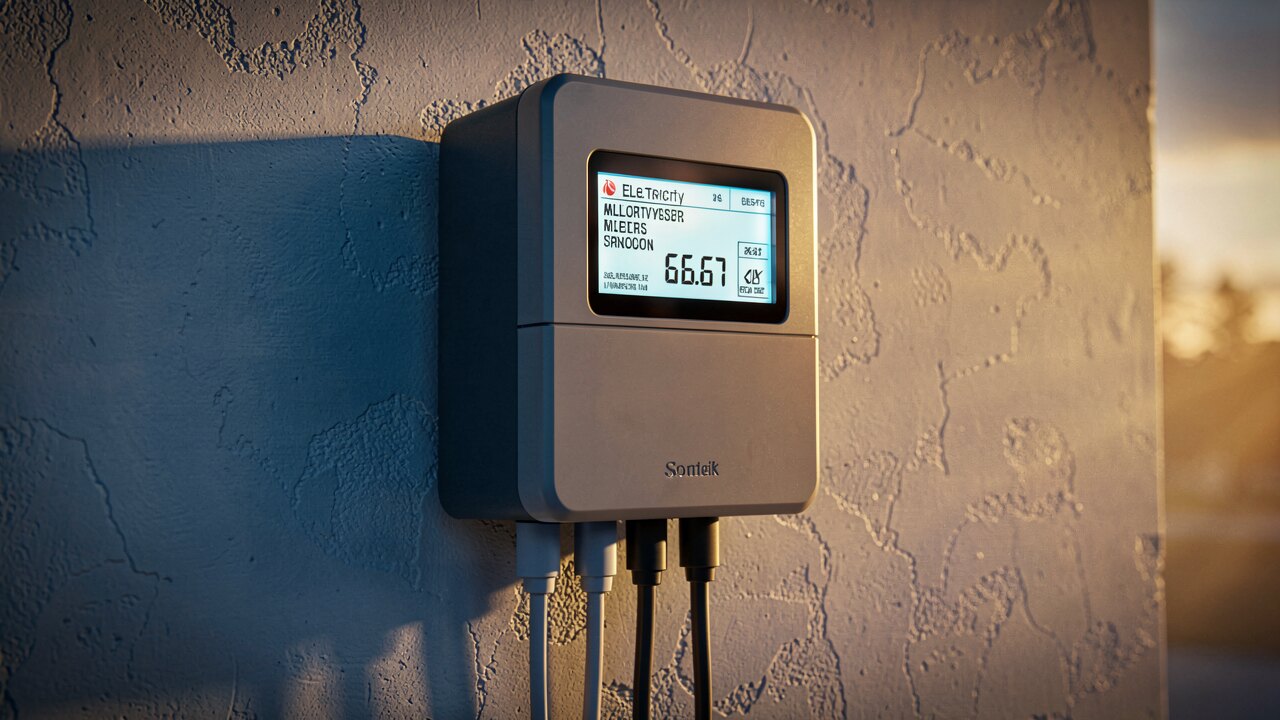
They are often confused. The grid connection point (Netzanschlusspunkt / Netzverknüpfungspunkt) is where your installation is physically joined to the public grid. The feed-in point is the metering-relevant point where export is measured and settled. In small installations both can coincide at the meter; in larger plants the feed-in point is the metered spot within the connection, on the grid-operator side of your transfer point.

Only energy that crosses the feed-in point through a calibrated meter is remunerated — under the EEG for PV or the KWKG for CHP. If the feed-in meter is not correctly installed or its calibration period (Eichfrist) has lapsed, the metered export can be disputed and payout delayed. So the feed-in point is not just wiring: it defines what you actually get paid for.
Everything you consume before the feed-in point is self-consumption and never enters the grid. Only the surplus flowing across the feed-in point is exported and metered for feed-in remuneration. The ratio of self-consumption to feed-in is what determines your economics — a high self-consumption share lowers your purchased-power cost, while the feed-in portion earns the statutory tariff.
Confirm that a calibrated feed-in (or bidirectional) meter sits at the point, that its calibration period is still valid, and that its meter number and point designation match your grid-operator contract. For CHP, make sure the meter separates self-consumed from exported kilowatt-hours. Mismatched or expired metering is a common reason feed-in payments stall.