Feed-in Tariff (Einspeisevergütung) in Germany 2026
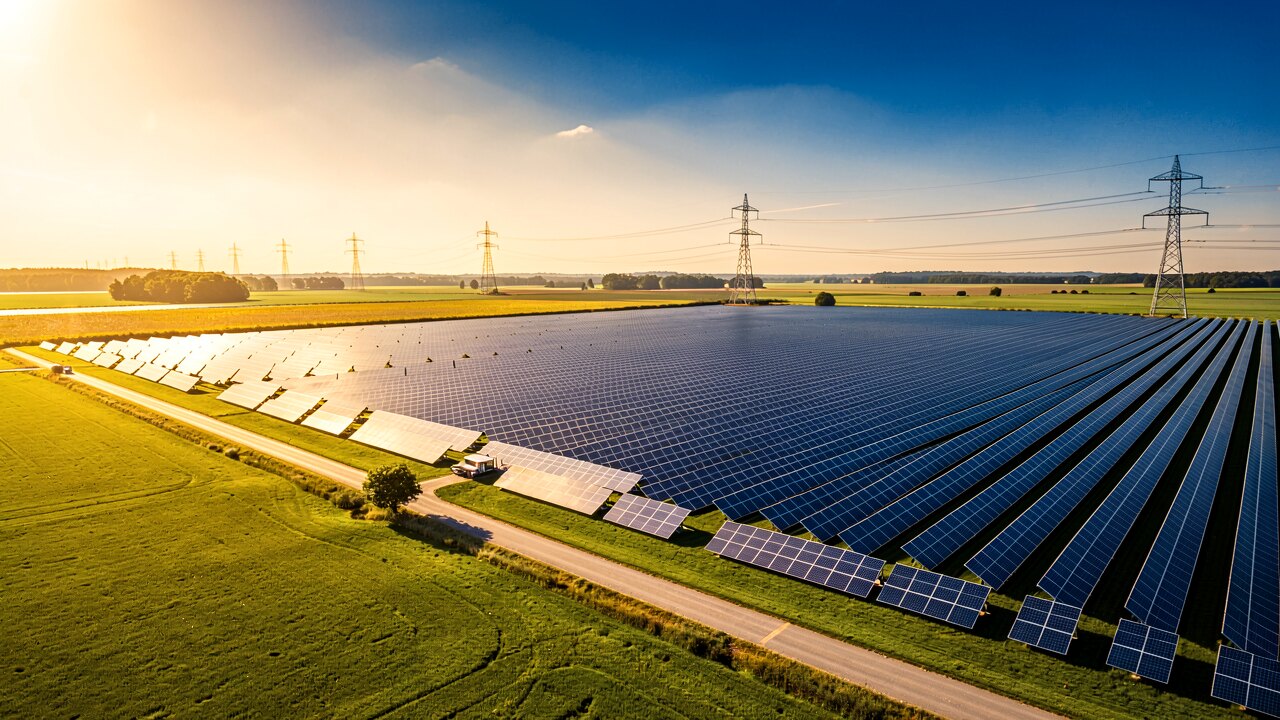
In 2026 a fixed EEG feed-in tariff still applies to new small PV systems, while larger systems are paid via direct marketing at a tender-set reference value. Below are the current routes, the thresholds that decide which one you get, and the planned 2027 changes.
Two payment models coexist. Small PV systems (roughly up to a few kWp) still receive a state-set fixed feed-in tariff (Einspeisevergütung) in the single-digit cents-per-kWh range, which steps down (degresses) about every six months. Larger and tendered systems are paid via mandatory direct marketing based on an 'anzulegender Wert' (reference value); a recent EEG tender set this at 71 €/MWh, i.e. 7.10 ct/kWh. In direct marketing you receive the market price plus a market premium topping it up toward that reference value.
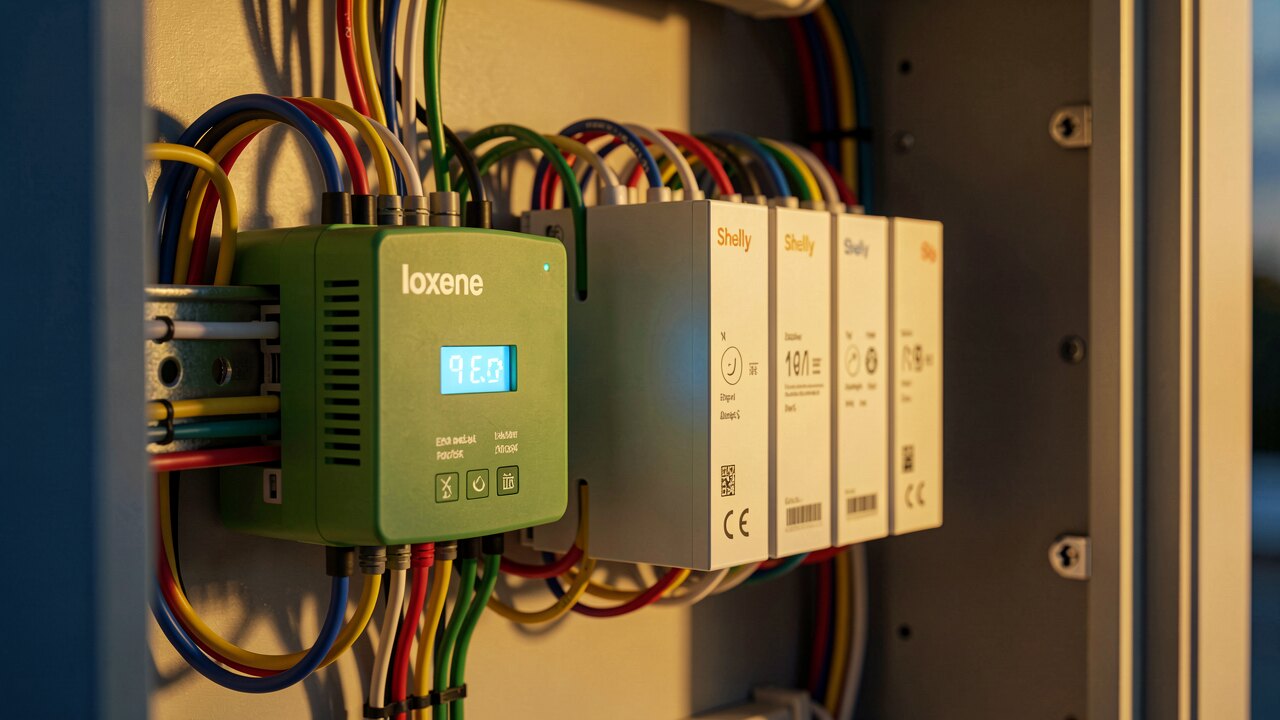
The route depends mainly on system size and start date. Small rooftop systems default to the fixed feed-in tariff. From 100 kWp, remote-control capability (Fernsteuerbarkeit, FRE) has been mandatory since 2021, and such systems are settled through direct marketing rather than a flat tariff. If your plant clears a tender, its reference value comes from that tender result, not from a published standard rate. Check your grid connection notice and PV registration to see which model your plant was assigned.
⚠ Preliminary / draft only (officially unconfirmed, status 06/2026): a leaked BMWE reform draft (Minister Reiche) reportedly plans to abolish the fixed feed-in tariff for new small PV up to 25 kWp from 01.01.2027, making direct marketing and self-consumption the standard. The ministry is said to have confirmed core points to trade press in March 2026, but no official bill has been published, and industry body BSW-Solar has warned against it. Treat this as planned, not law — existing plants' rates are not the subject of this draft.
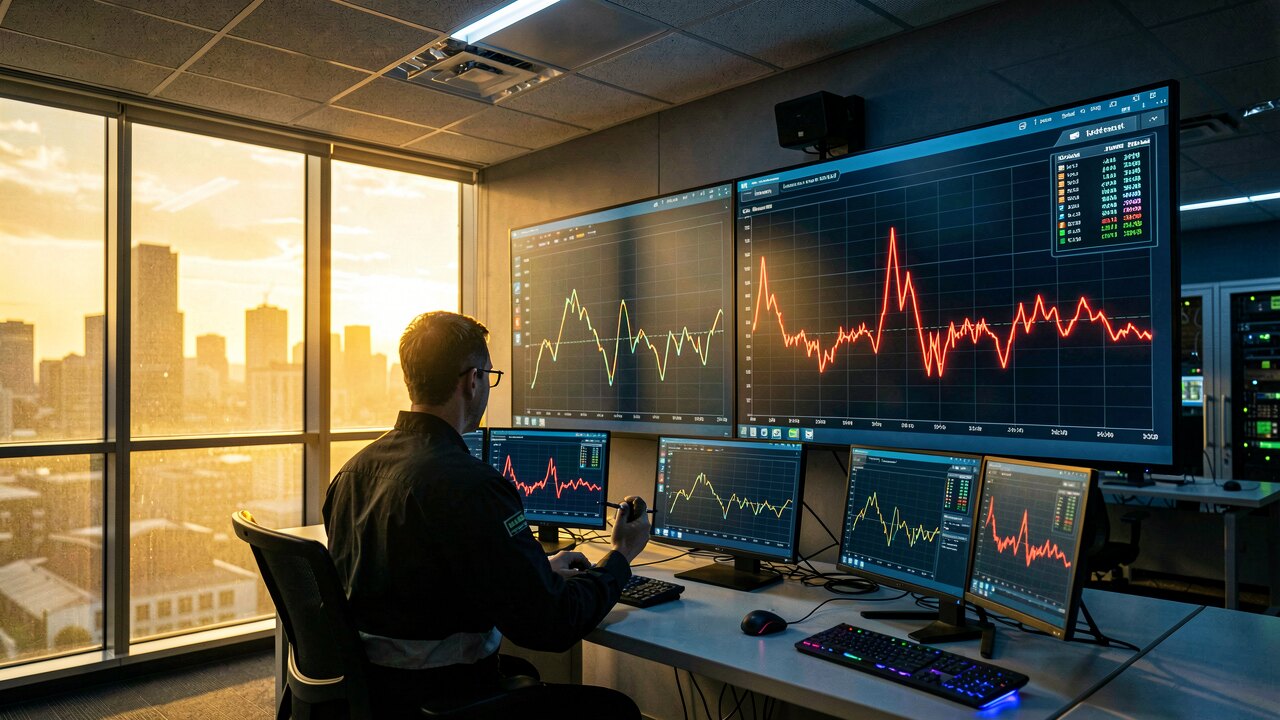
A common reason feed-in payments stall in 2026 is not a legal problem but the grid operators' IT migration: billing and metering data get stuck during system changeovers, so legally owed payments arrive months late. If your money is missing, this is usually a processing failure at the grid/metering-point operator, and you can formally demand settlement citing the EEG payment obligation rather than accepting an open-ended delay.
Keep the essentials on file: your plant's registration number, the grid connection/feed-in notice stating your tariff model and reference value, and meter readings or photos. If a payment is overdue, send the operator a written demand to settle for the affected period and set a deadline, attaching your meter evidence. This documents the claim and starts the clock — most delayed payouts are released once the data path is corrected.
Separately from feed-in, the revised §14a EnWG rules taking effect in mid-2026 give a reduced grid fee to controllable consumers such as heat pumps, wallboxes or batteries above 4.2 kW, provided a controllable-consumer device (SteuVE) is proven. The annual discount is roughly 110–190 € per module. This concerns what you pay to draw power, not what you are paid for feeding in — but it matters if you both consume and export.