Fixed-Price Electricity Offer: What You Actually Get

A fixed-price electricity offer (Festpreisangebot) locks your per-kWh energy price for the whole contract term, so your rate doesn't move even if wholesale prices swing. It buys planning certainty — but you pay for that stability, and you won't benefit when market prices fall.
With a fixed-price tariff, the energy price component (the price per kWh) is contractually guaranteed for the agreed term. Your bill can still change if state-set levies, grid fees or taxes change, but the supplier's energy price stays put. In Germany, fixed-price tariffs are the standard model offered by most suppliers, including large providers like Vattenfall and E.ON.
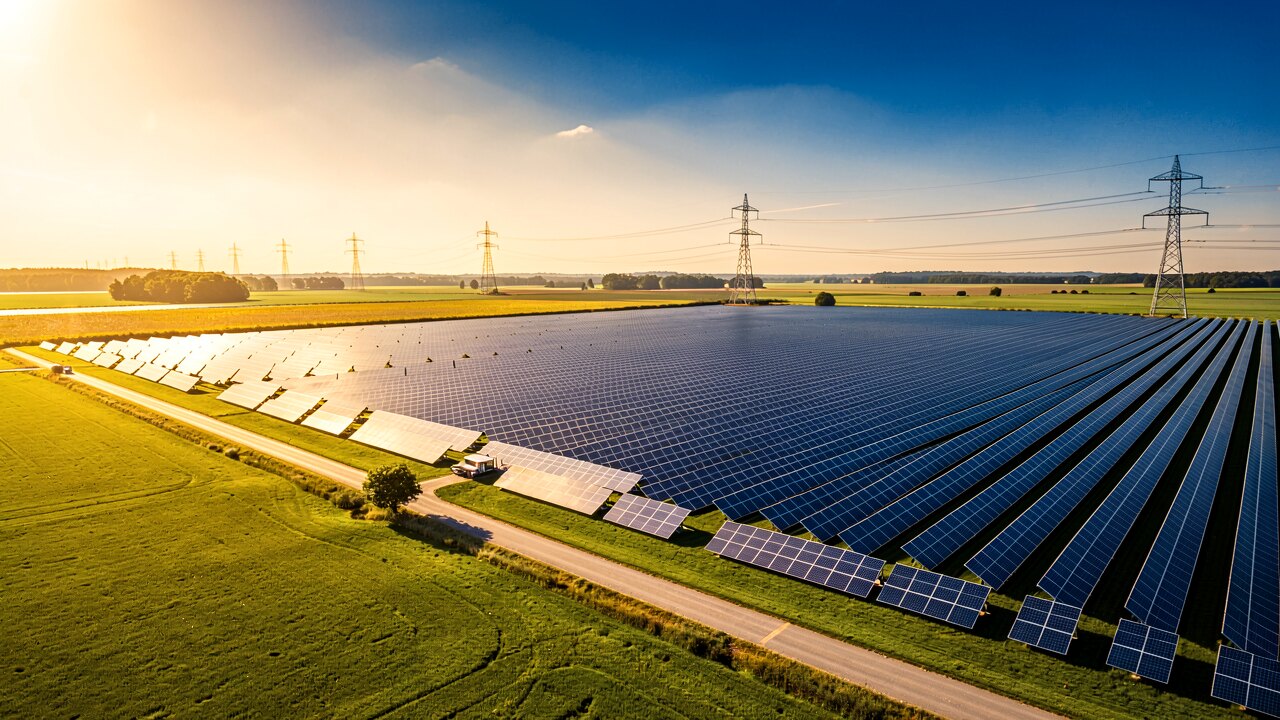
It's worth it if you value predictable costs over the chance of savings. A fixed price protects you when wholesale prices rise, because your rate is frozen. The trade-off: if market prices fall, you keep paying the higher locked rate. So a fixed-price offer is 'worth it' as insurance against rising prices — not as a way to get the cheapest possible power at every moment.
A fixed price gives one guaranteed rate for the term. Variable tariffs can change (e.g. based on averaged monthly prices), and dynamic tariffs follow the hourly exchange (spot) price, so you pay less when power is cheap and more when it's expensive. Dynamic and variable tariffs are a newer development in Germany but are becoming more widely available — from 2025, all German suppliers are required to also offer variable and dynamic tariffs.
Choose a fixed price if you want a stable monthly budget, can't or don't want to shift consumption to cheap hours, and want protection against price spikes. Consider a dynamic tariff instead if you have a smart meter and flexible loads — like an EV, heat pump or battery — that you can run when spot prices are low. Think of it as the bakery analogy: a fixed 'work price' per kWh gives certainty; a market-linked price rewards flexibility.
Compare the guaranteed price per kWh and the base fee, and confirm exactly how long the price guarantee runs. Check whether it's a full price guarantee or covers only the energy component (levies and grid fees can still move). Note the contract term, notice period and any bonus that only applies in year one — a low headline price can rise sharply after the guarantee ends.
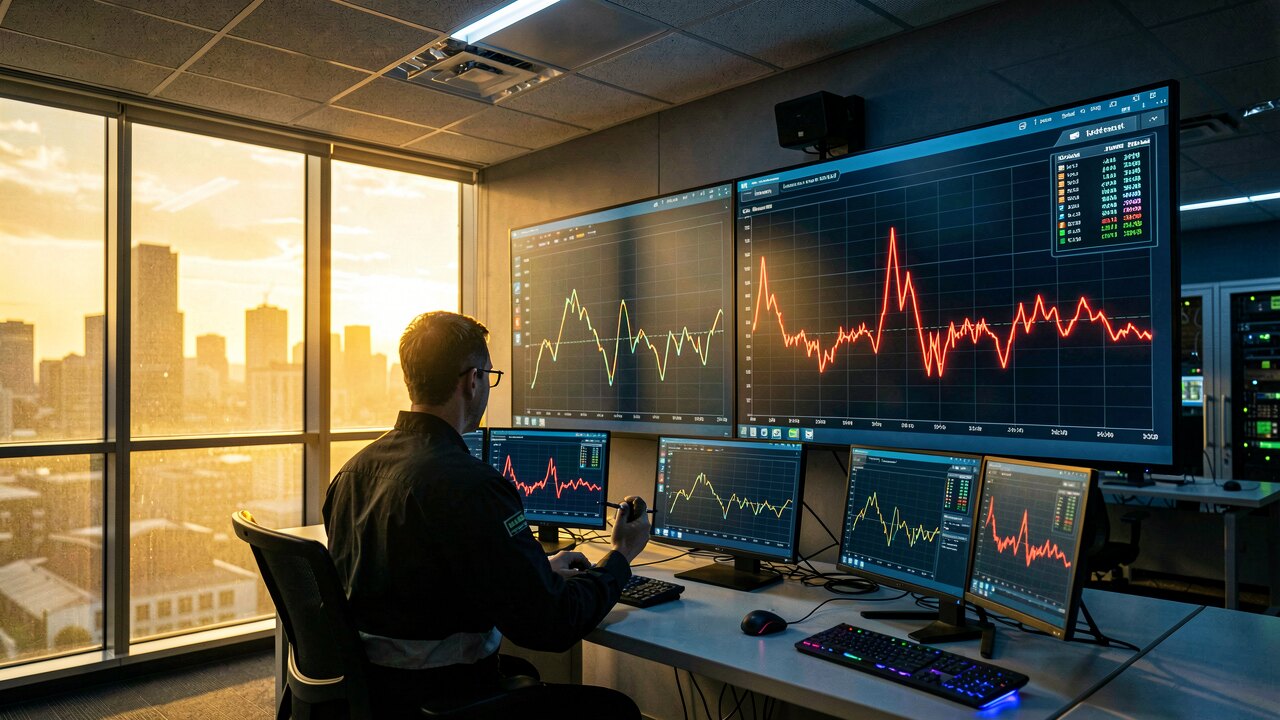
Fixed prices are set by suppliers based on their procurement and a margin, then locked for you. The underlying wholesale price still moves hourly on the power exchange — that's what dynamic tariffs pass through directly. If you want to see the live market your fixed price is shielding you from, you can watch today's and tomorrow's hourly exchange prices for free.