How solar providers' business models evolved from feed-in to full energy concepts
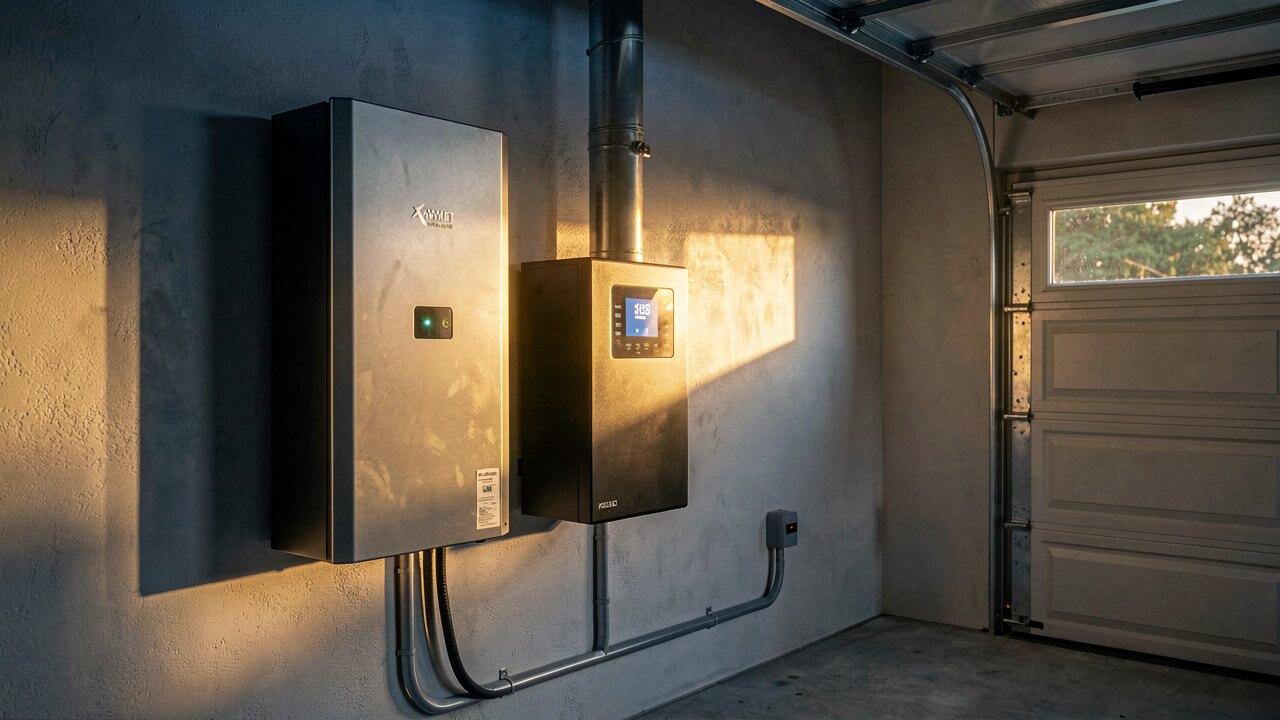
Solar providers shifted from simply selling panels and feeding surplus power into the grid toward integrated concepts that combine PV, battery storage, EV charging and energy management. The driver was falling feed-in tariffs plus cheaper batteries, which made self-consumption and flexibility more valuable than export.
The early model was straightforward: install a PV system and sell every kilowatt-hour to the grid at a fixed, guaranteed feed-in tariff. Revenue came entirely from export, so providers optimized for maximum installed capacity, not for how the household or business actually used the power. When tariffs were high this worked, but it left the customer dependent on one shrinking payment stream.
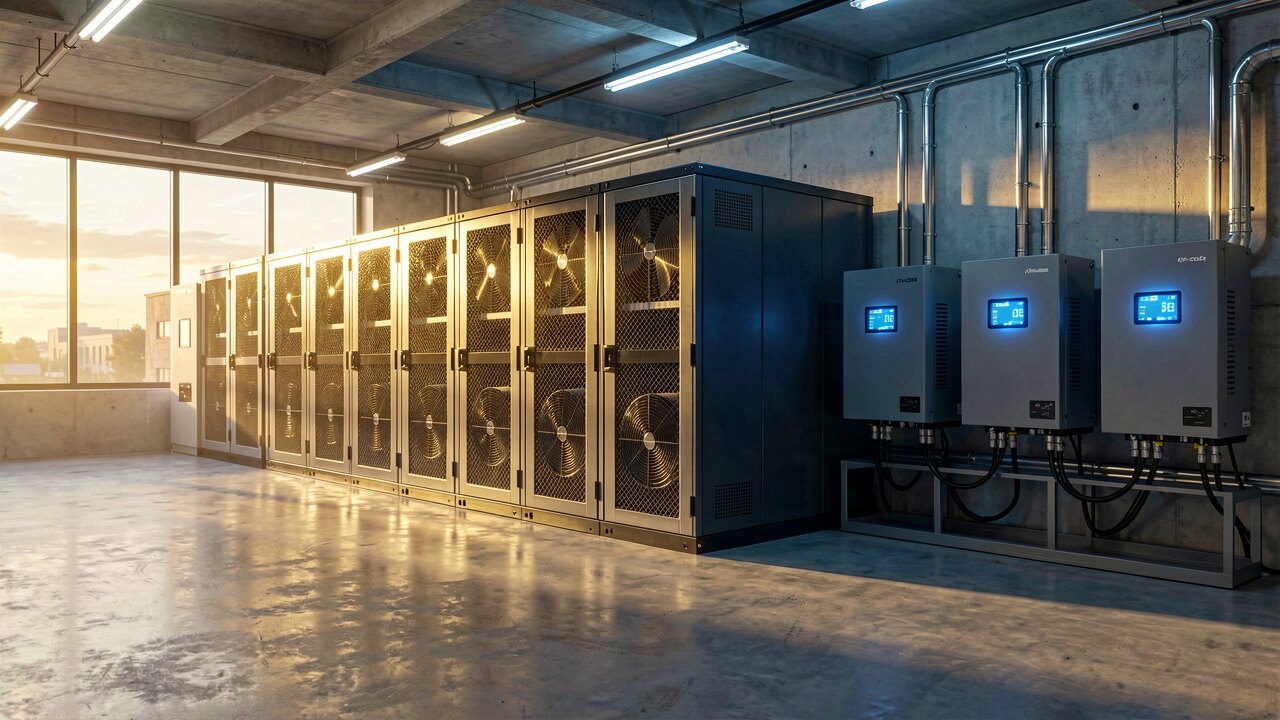
As feed-in tariffs dropped below retail electricity prices, exporting became less attractive than using your own solar power. Providers added home and commercial battery storage so daytime surplus could be shifted into the evening. The battery raised self-consumption, cut the grid bill, and turned the offer from 'sell to the grid' into 'cover your own demand first, export the rest.' Germany's rapidly growing home-storage and grid-battery capacity reflects this same shift.
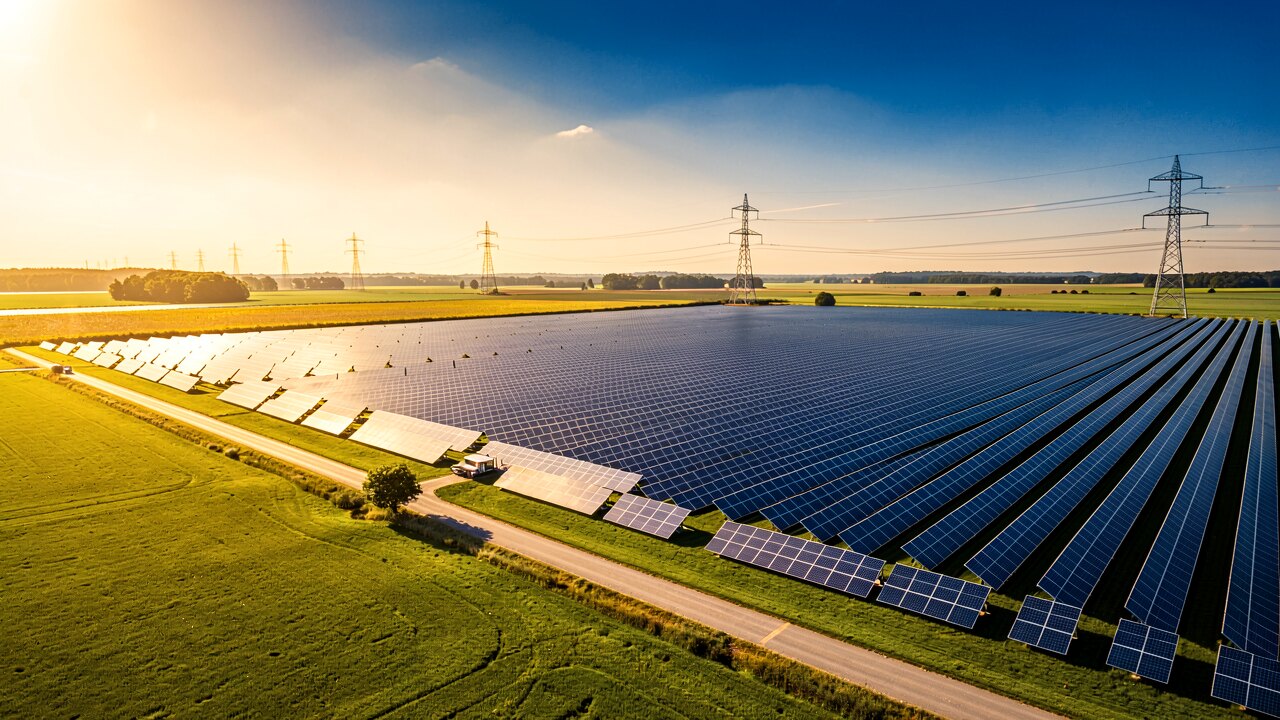
The next layer linked solar to mobility and heat. EV wallboxes let customers charge cars directly from their own panels, and heat pumps moved heating onto the same self-generated electricity. This 'sector coupling' multiplied the value of each solar kWh: instead of one use (export), the same energy now powered the building, the car and the heating, deepening the customer relationship and the share of energy the provider supplied.
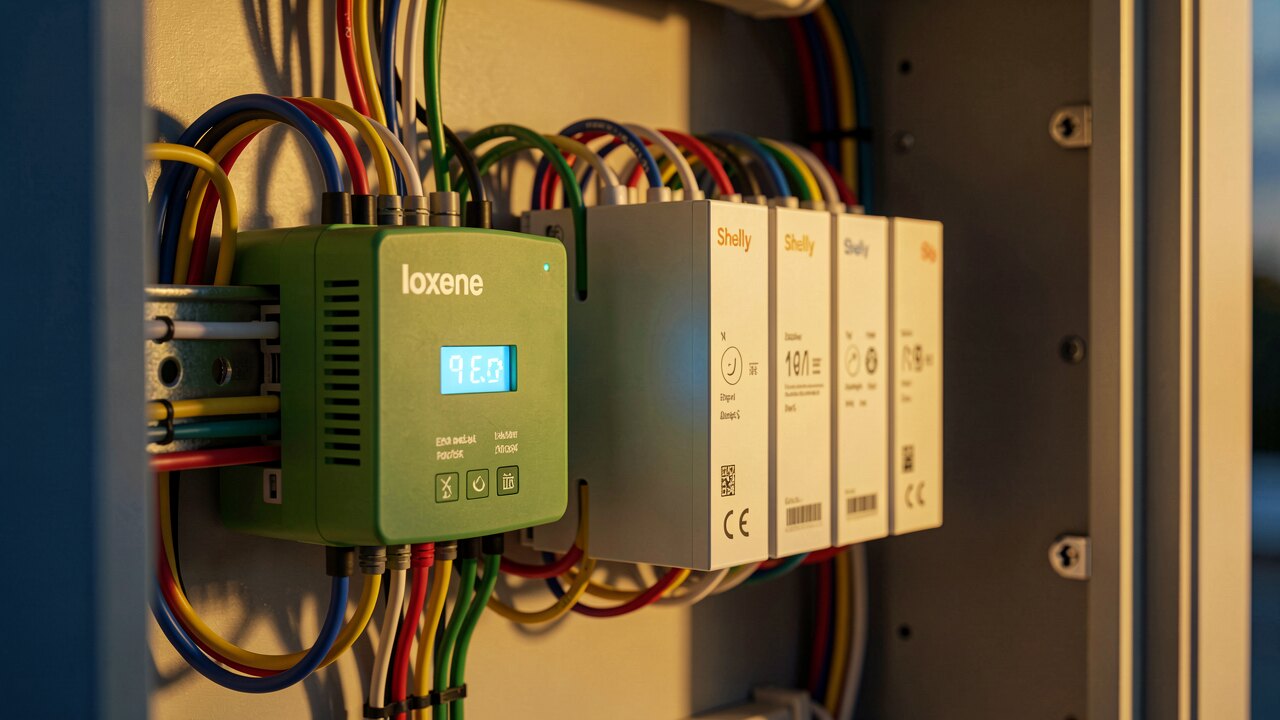
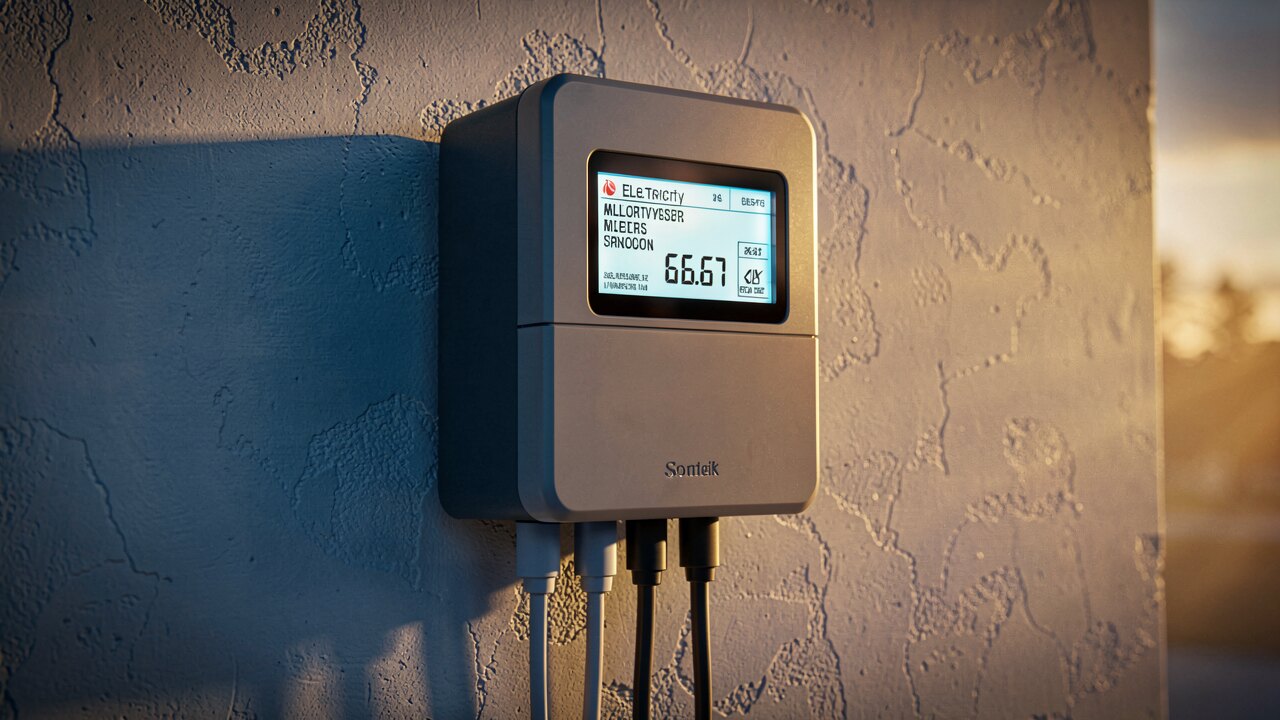
With PV, storage and charging in one home, the differentiator became software. Energy management systems decide when to store, self-consume, charge the car or export based on prices and forecasts. Larger batteries can also be marketed for flexibility — soaking up surplus wind and solar or responding to price signals. The provider's role moves from hardware seller to operator of an ongoing, optimized energy service.
A modern offer bundles the parts rather than selling them one at a time: PV to generate, a battery to shift power into peak hours, a wallbox to fuel the car cheaply, optionally a heat pump, and management software to coordinate them. The economic case now rests on avoided grid purchases and smart flexibility, not on the feed-in tariff alone — which is why 'comprehensive energy concept' has replaced 'PV plus feed-in' as the standard.