How to check if your utility is overbilling your solar business

Compare your own meter readings and inverter logs against every line on the utility bill for the same period — consumption, feed-in, and grid charges separately. Most overbilling on solar sites comes from four sources: feed-in that was never recorded, a miscalibrated or drifting meter, the wrong tariff or grid-charge category, and estimated instead of measured values.
Take the exact start and end dates on the invoice. Pull the meter register readings for those two dates and subtract. Do this separately for each direction: electricity purchased from the grid, and electricity fed into the grid. Then pull the same period from your inverter or monitoring portal (kWh produced) and, if you have it, from your own sub-metering. You now have three independent numbers. If the utility's billed kWh differs from your meter difference by more than a rounding margin, you have a concrete discrepancy to raise — not a suspicion.
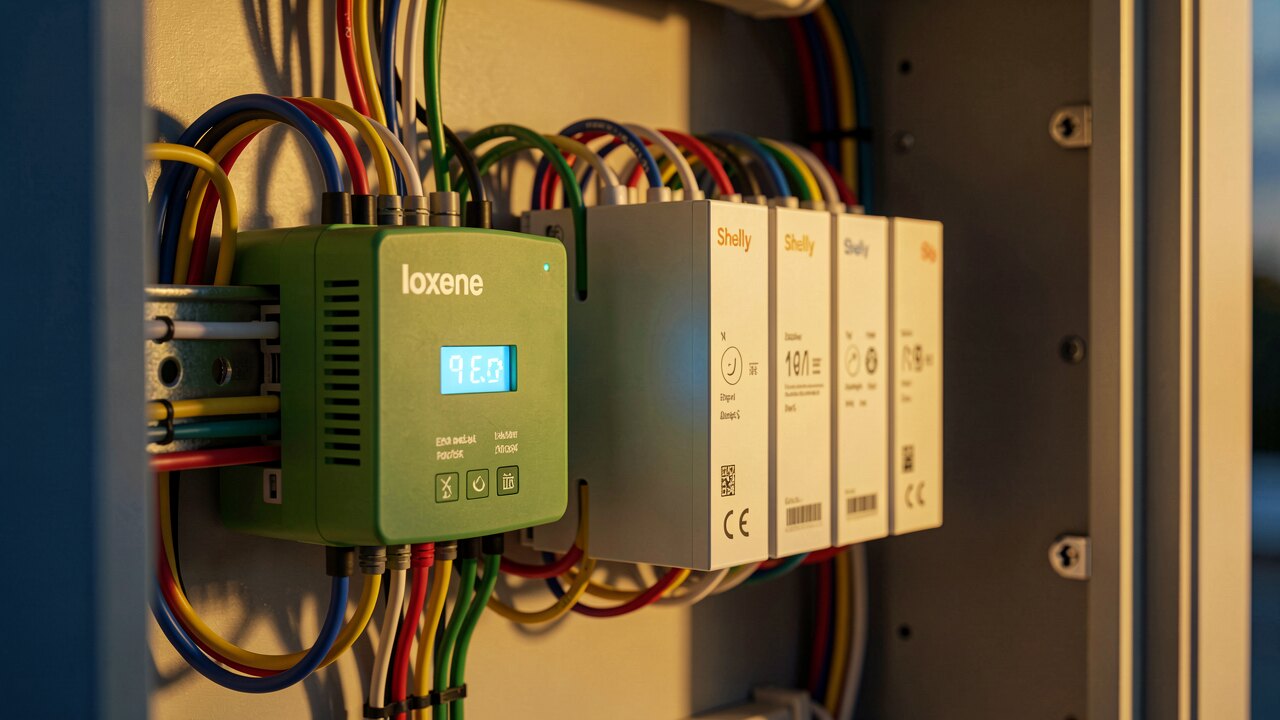
This is the single most common error on solar and cogeneration sites: the amount of electricity actually fed into the grid is not recorded correctly, or not at all. Symptoms are a feed-in figure of zero or an implausibly low one for a sunny month, a feed-in value that stays suspiciously round or identical month to month, or export that stops being counted after a meter change or inverter replacement. Cross-check the billed export against your inverter's export counter for the same days. A large gap between production, self-consumption and billed feed-in means kWh you generated are not being paid for.
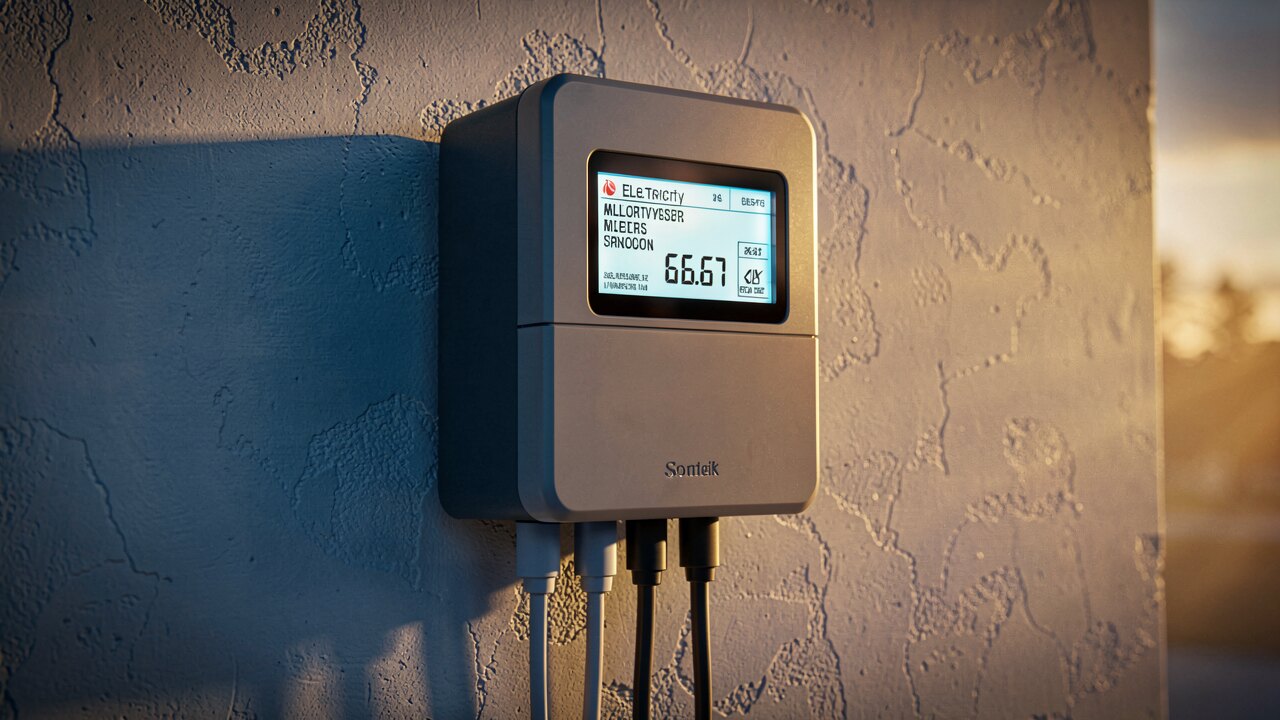
Bills based on estimates rather than a real read are a frequent source of over-recording. Find the reading type printed on the invoice — most utilities mark whether a value was measured, estimated, or customer-submitted. An estimate on a solar site is especially unreliable, because the estimate is usually derived from historic consumption that predates your system. If the bill is estimated, submit a current, photographed register reading and request a corrected invoice for that period.

Ask two questions about your meter: is it calibrated and within its valid calibration period, and is it the right type for a site that both imports and exports? A meter that cannot measure bidirectionally, or one running with a wrong CT (current transformer) ratio, will systematically misstate your energy flows. Small measurement inaccuracies matter little in a single month but add up to significant cost over the lifetime of a commercial system. You can request a meter test through your metering operator; be aware most jurisdictions refund the test fee only if the meter is found outside tolerance.
Even with correct kWh, the price side can be wrong. Grid charges are often calculated incorrectly, particularly for industrial customers and in complex distribution networks. Check that the tariff and grid-charge category on the invoice match your actual connection level and load profile, that any demand charge is based on a real recorded peak rather than a carried-over historic one, and that levies and surcharges you are exempt from or reduced on are actually applied. Line up the rates on the invoice against the ones in your contract, item by item.
Put together: the invoice, your meter photos with timestamps, the inverter or monitoring export for the same period, and a one-page comparison table showing billed vs. measured. Send it to the utility as a formal written objection to that specific invoice and ask for a corrected bill. Keep paying the undisputed portion while the dispute runs — in most markets non-payment gives the utility grounds to act regardless of whether the bill was wrong. If they reject it, the escalation path is usually your metering operator (for meter and reading issues) or the national energy regulator or ombudsman (for tariff and grid-charge issues).