How to Minimize Your Electricity Price Risk
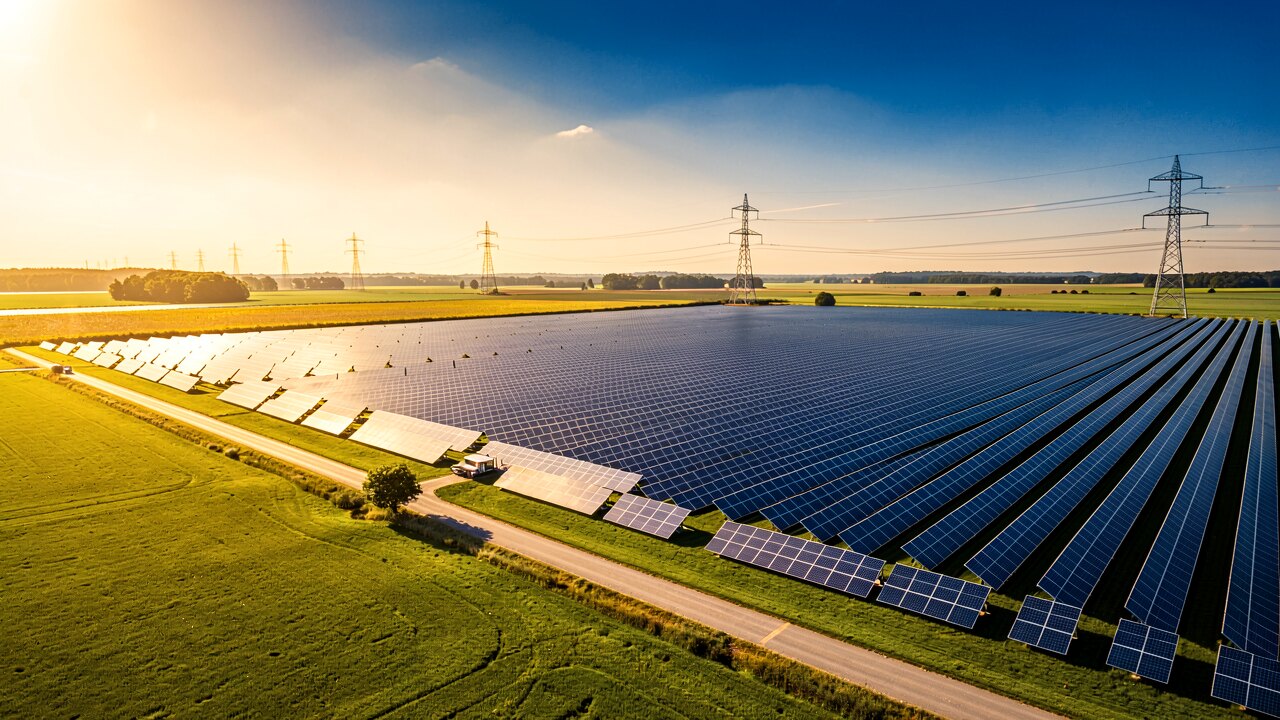
Electricity price risk is the danger that rising or volatile wholesale prices increase your energy costs unpredictably. You minimize it by fixing part of your price, shifting or reducing consumption when prices are high, and generating or storing power yourself.
1) Lock in price certainty with a fixed-price or partly-fixed contract. 2) Diversify procurement so you don't buy all your power at one moment. 3) Shift flexible loads away from expensive hours. 4) Generate and store your own electricity to buy less from the grid. Most buyers combine several of these rather than relying on one.
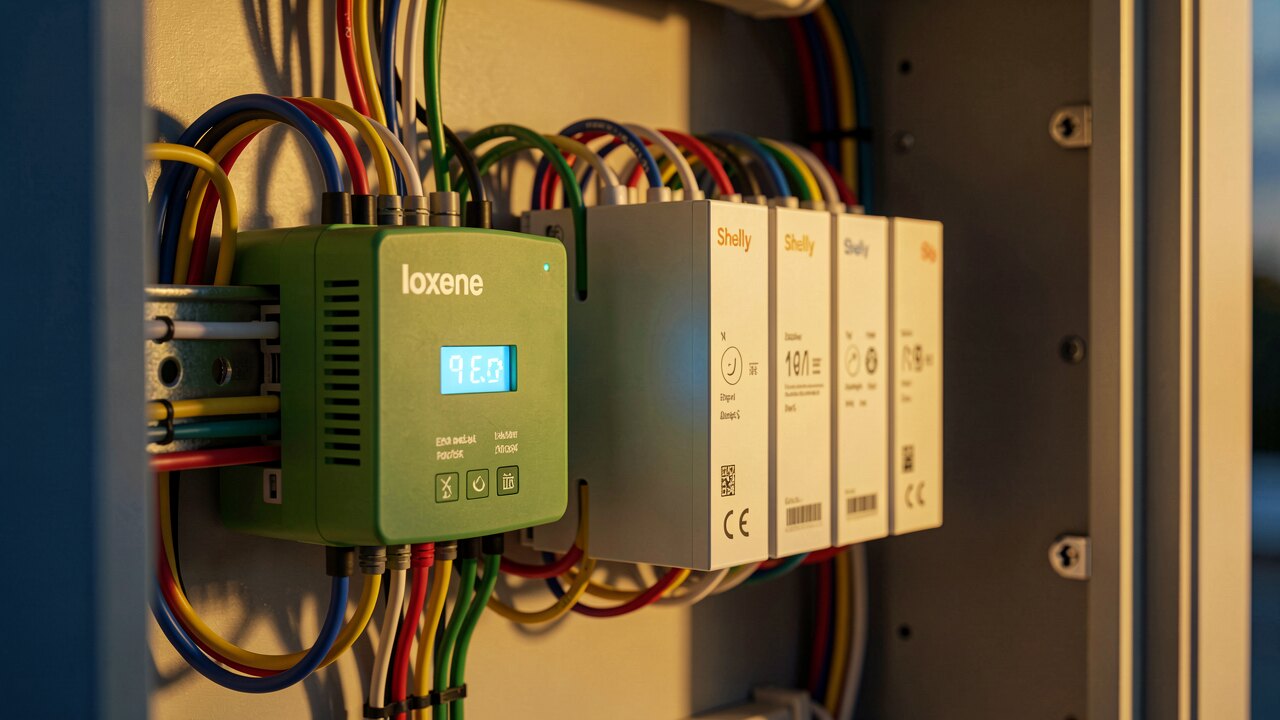
A fixed-price contract removes price risk for its term but you pay a premium and can't benefit if market prices fall. A variable or spot-linked tariff exposes you to hourly market swings but rewards flexible consumption. A tranche or portfolio approach — buying your volume in several blocks over time — averages out timing risk and is the middle path many commercial buyers choose.
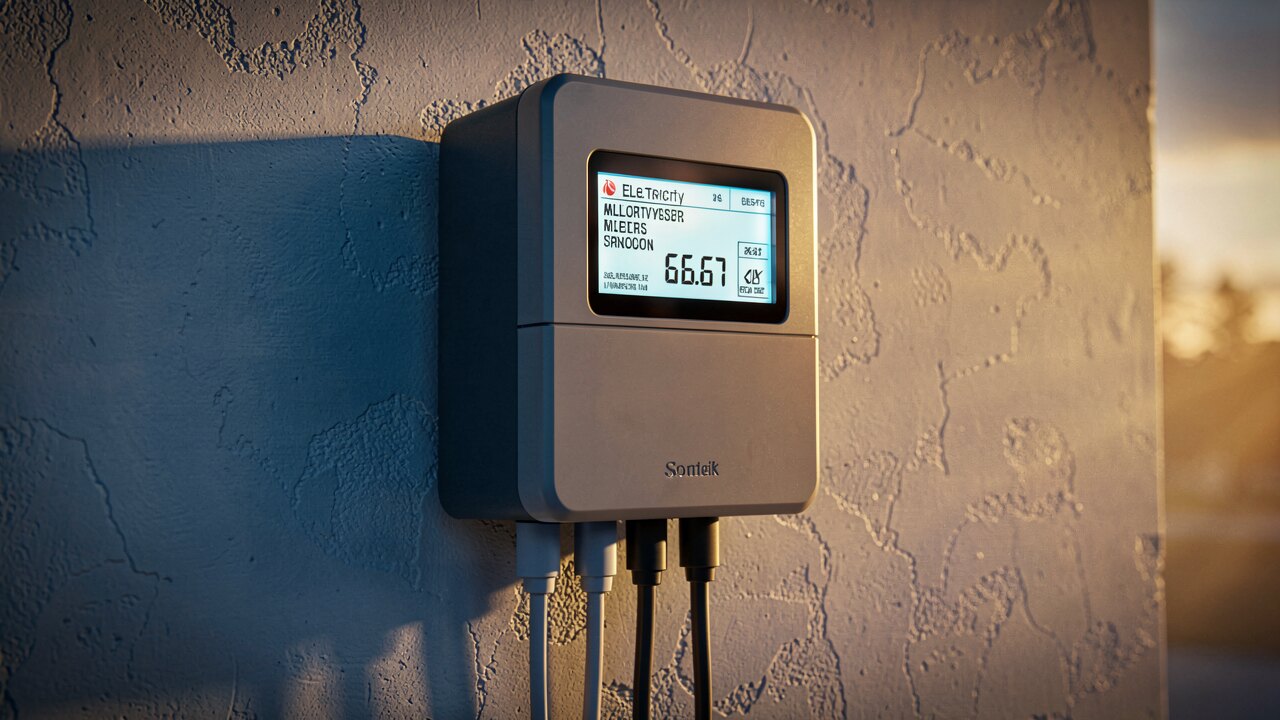
Wholesale prices change hour by hour. Moving flexible processes — charging, pumping, heating, cooling, industrial batches — into low-price or even negative-price windows cuts your average purchase cost. During negative prices there is a surplus of power on the grid, so it can pay to consume then and avoid feeding in. Automated energy management that reacts to price signals makes this systematic rather than manual.
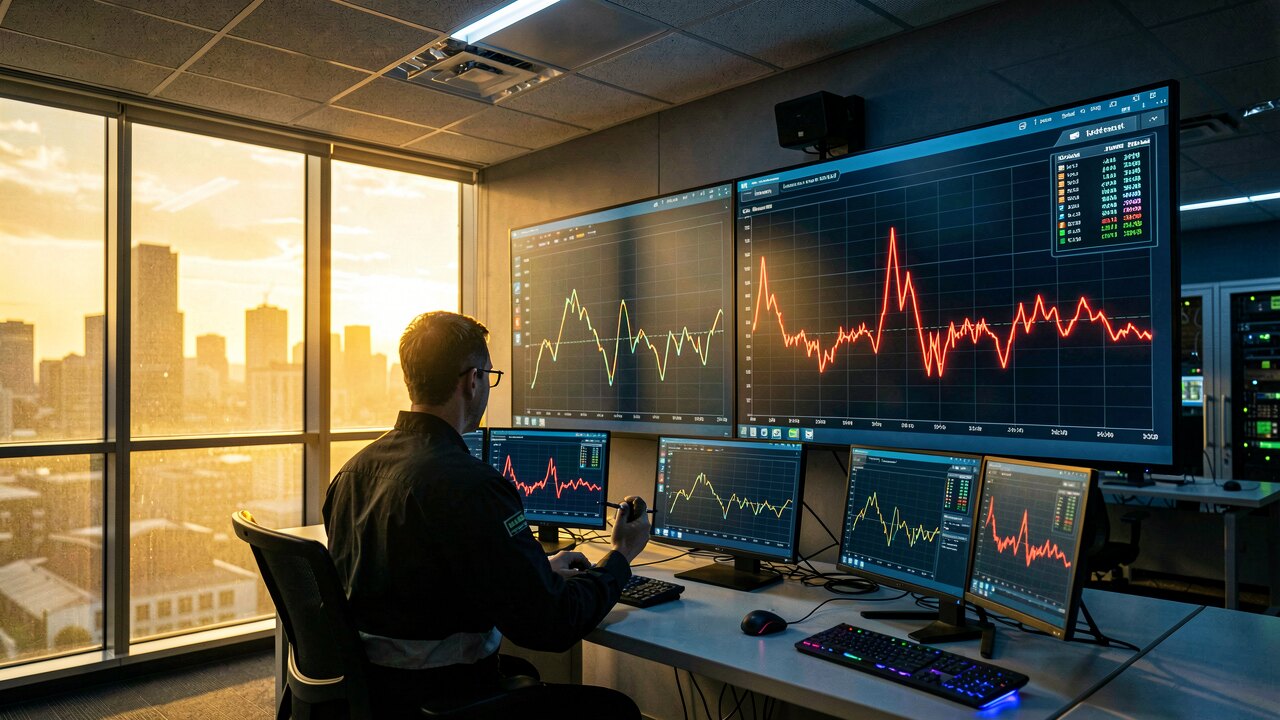
Every kilowatt-hour you produce yourself is one you don't buy at market price, which structurally reduces exposure. A battery storage system adds arbitrage: charge when prices are low or negative, discharge when they are high. This turns price volatility from a threat into a source of savings, while also cushioning you against future tariff increases.
Concentrating all your buying at a single date maximizes timing risk. Spreading purchases across multiple points in time — and, where possible, across forward, futures, and spot markets — smooths out peaks. A long-term power purchase agreement (PPA) can fix a share of your volume at a known price for years, complementing shorter-term buying.
When prices go negative, feeding electricity into the grid can cost you more than it earns, because the market is oversupplied. In these windows the smarter move is to store the energy, self-consume it, or curtail export. Monitoring price signals lets you avoid loss-making feed-in and capture value instead.