How to Regulate Power Peak Loads (Peak Shaving)

To regulate power peak loads, you limit the highest 15-minute average demand your site draws, because grid operators bill your demand charge on that single yearly peak. In practice this means measuring your load in real time, then shifting, staggering or buffering high-draw processes so no uncontrolled spike sets a costly new maximum.
A peak load is a short burst when your power draw shoots up — often just a few minutes. Regulating it (also called peak shaving) means actively keeping that draw below a set threshold instead of letting it run freely. You don't reduce your total energy use; you flatten the curve so the momentary maximum stays low. That maximum is exactly what the grid operator measures and charges for.
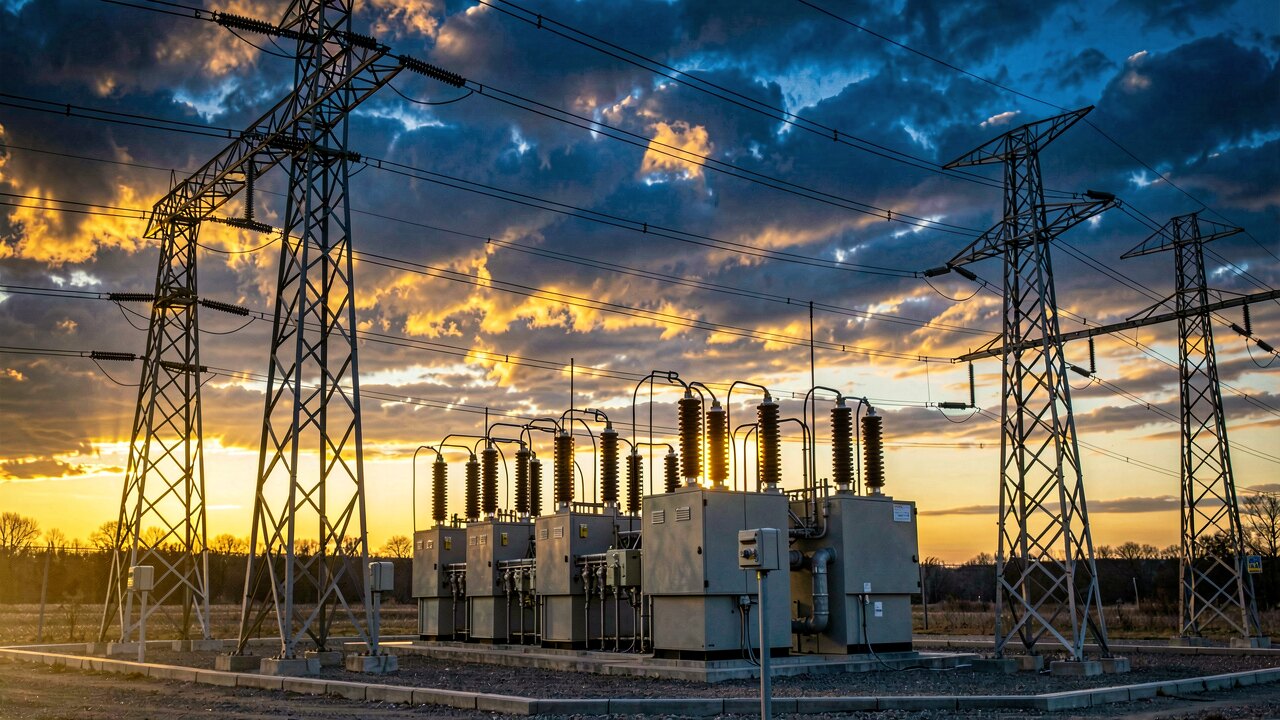
1) Measure: log your load continuously so you can see the real 15-minute peaks. 2) Identify: find which machines or start-ups cause them (e.g. simultaneous motor starts). 3) Prioritize & shift: stagger or delay non-critical loads so they don't run at the same moment. 4) Cap in real time: use an energy management system (or a battery) to hold demand under your target whenever it approaches the limit.

Grid operators set the demand charge (Leistungspreis) on the single highest 15-minute average power measured over a full year. A single uncontrolled start-up can raise that peak — and therefore your grid-fee bill — for the following twelve months. Because the penalty lasts a year, preventing even one bad spike is worth far more than the few minutes of load it represents.
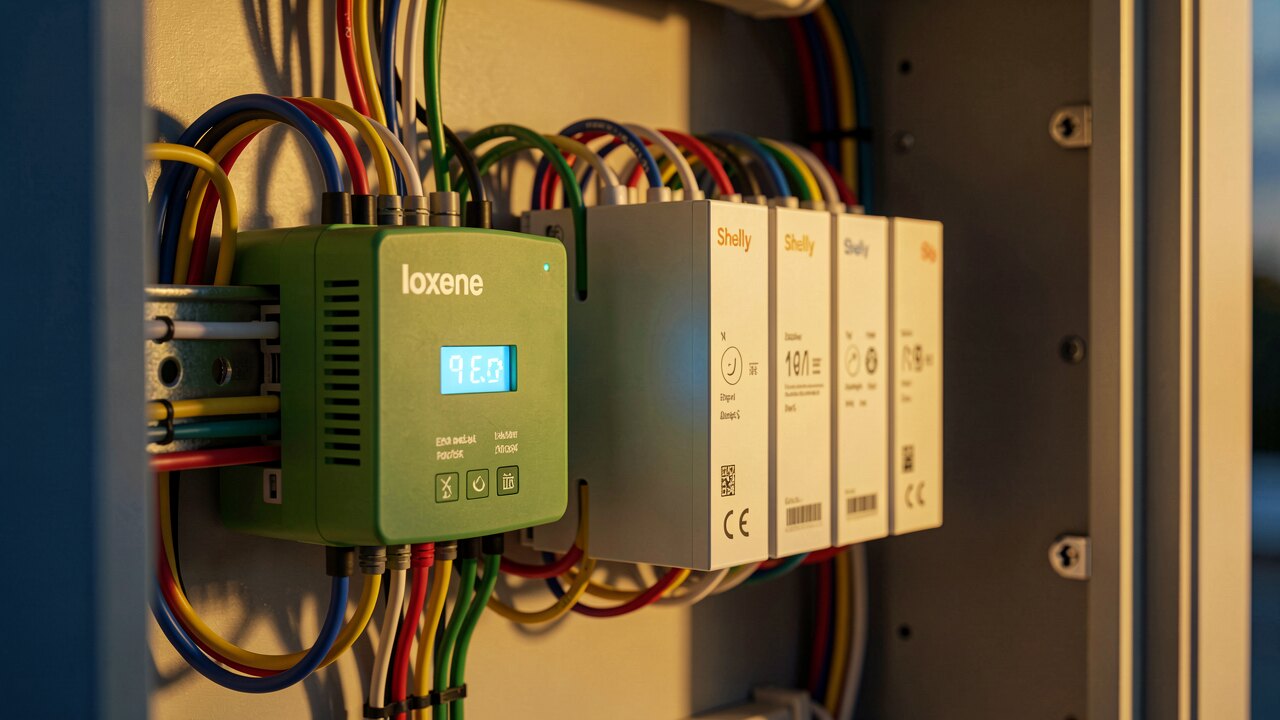
Focus on large, controllable, non-time-critical loads: motor and pump start-ups, compressors, drying and heating processes, EV charging, and machines that can run slightly earlier or later. Sequence their start-ups instead of firing them together. Loads you cannot delay can instead be covered by a battery storage system that discharges during the peak and recharges when demand is low.
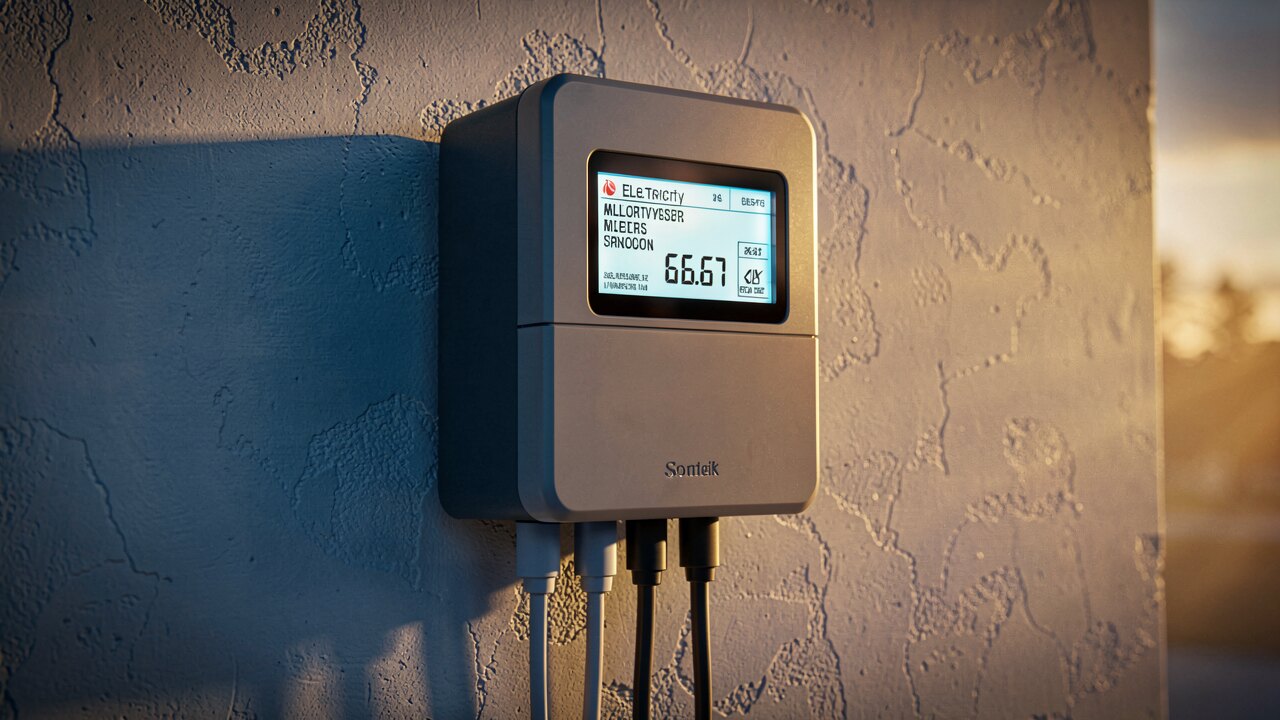
Simple measures — staggering shifts, delaying start-ups, switching heavy equipment manually — help but rely on staff and miss unexpected spikes. Automated peak shaving uses live metering plus rules or a battery to cap demand the moment it rises, without interrupting production. Continuous monitoring (as in the Stromfee diary) both prevents peaks and shows exactly where your cost drivers are.
Sites with energy-intensive, uneven loads gain the most: manufacturing plants, agricultural operations, logistics/cold-storage, and commercial businesses with high consumption. A more even load profile can lower grid and total electricity costs by up to 25%, because the savings come from the demand charge rather than from using less energy overall.