Is a Battery Worth It for a Balcony Solar Plant?
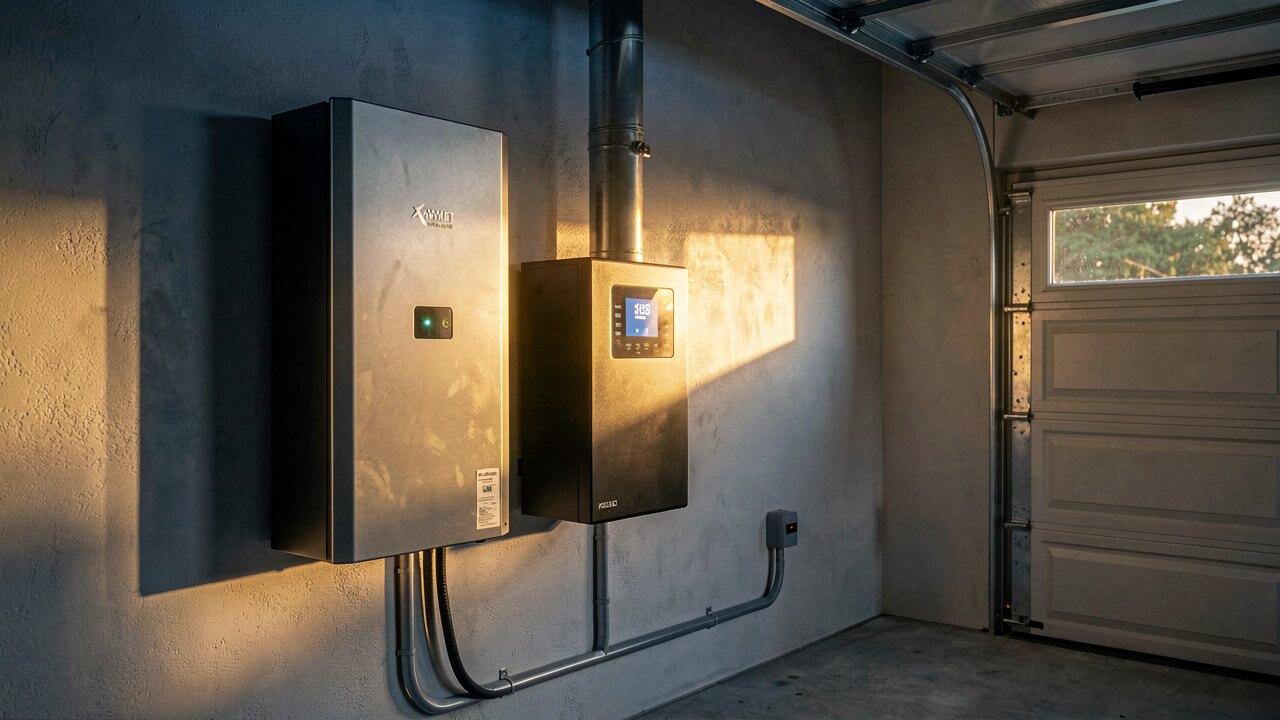
Short answer: a battery only pays off when a large share of your solar power would otherwise flow into the grid for free. If you use most of your production as it is generated, the extra cost rarely earns itself back.
A battery is worth it mainly when nobody is home during the day. Your panels produce most power around midday; if that energy is not used in the house at that moment, it goes to the grid — usually unpaid for a balcony plant. A battery stores that midday surplus so you can run the fridge, router and evening load from it. If someone is home all day and already consumes the solar power live, a battery adds cost without saving much.
Look at how much of your solar power you currently self-consume. A typical 600–800 W balcony plant produces roughly 500–800 kWh per year. If you already use ~80% of it directly, only a small surplus is left to store, and a battery costing several hundred euros will not recover that in a reasonable time. If you feed 40–60% into the grid unused, a battery can capture a meaningful part of it. Estimate saved kWh per year, multiply by your electricity price, and compare to the battery price.

It leans 'yes' if: you are out most of the day, your household has a steady base load in the evening (fridge, standby devices, lighting), you would otherwise export a lot for free, and you buy a battery sized to your real surplus (often 1–2 kWh, not more). Oversizing is the most common mistake — a battery bigger than your daily surplus sits half-empty and never earns its price back.
It leans 'no' if: someone is home during daytime and uses the power live, your surplus is small, or you are tempted by a large storage unit 'to be safe'. In these cases the payback often stretches beyond the battery's useful life. Money is usually better spent first on a second panel or on shifting flexible loads (dishwasher, washing machine, EV/e-bike charging) into the midday sun — that raises self-consumption for free.
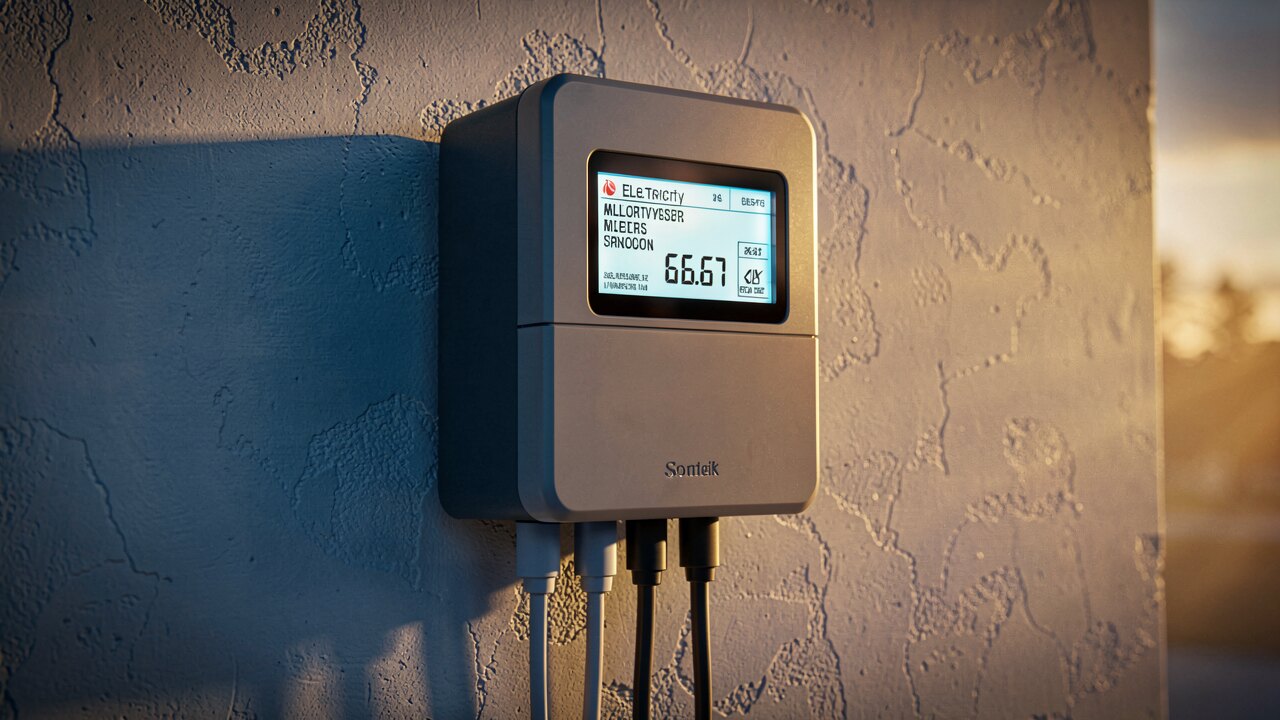
Payback depends on battery price, your electricity price and how much surplus you actually store. Because a balcony plant is small, the storable surplus is limited, so realistic payback often runs several years and can approach or exceed the battery's warranty period. Treat any 'saves you hundreds of euros instantly' claim with caution and check it against your own consumption first.
1) Check your daytime presence and evening load. 2) Estimate your yearly surplus (production minus what you use live). 3) Size the battery to that surplus, not bigger. 4) Multiply expected stored kWh by your price to get yearly savings. 5) Divide the battery price by that figure for a rough payback. If the number is comfortably below the battery's expected lifetime, it is worth it — otherwise optimize self-consumption instead.