Kaufland-scale cold logistics with a BESS: what it does
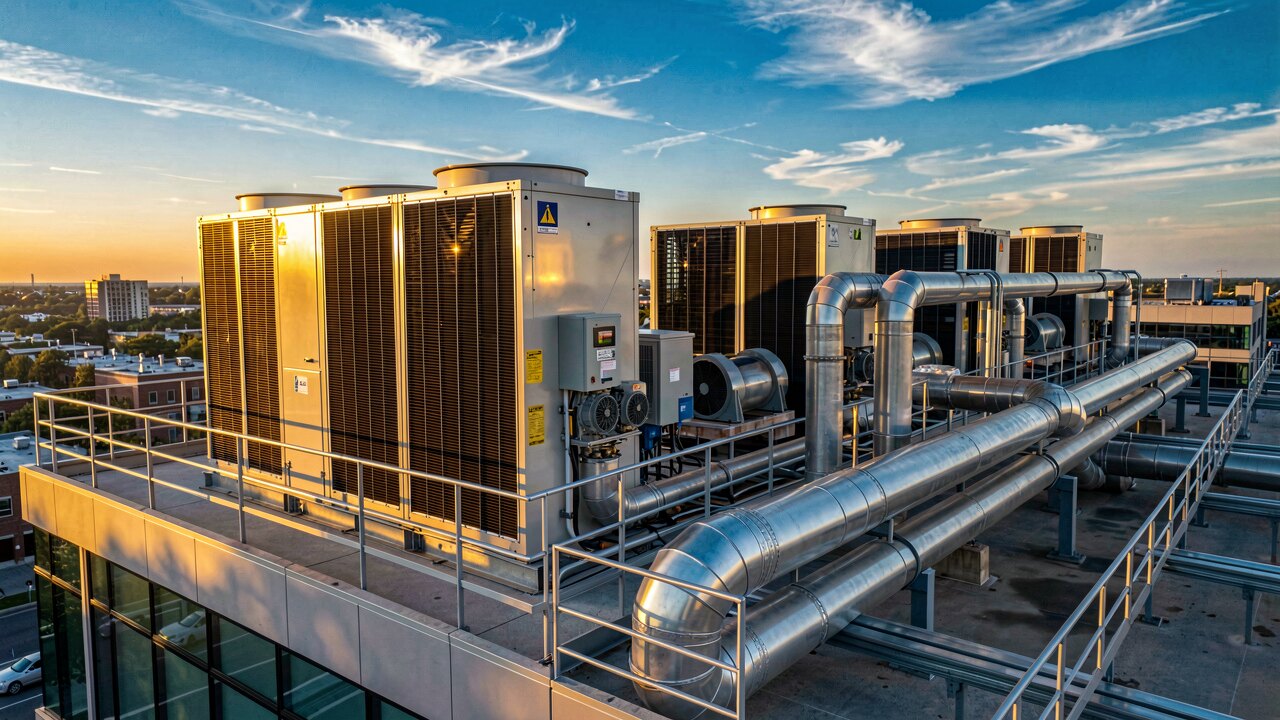
A BESS (battery energy storage system) sits between the grid and a refrigerated site, charging when power is cheap and discharging during expensive peaks. For cold logistics — freezer stores, chill rooms, dock cooling — it mainly shaves demand peaks and buffers the large, spiky refrigeration load.
It stores cheap or self-generated electricity and releases it when grid prices or demand charges spike. Refrigeration is the biggest and most variable load in a cold warehouse, so a battery flattens those peaks, lowers the billed peak demand, and bridges short grid disturbances that would otherwise trip compressors. It does not replace insulation or efficient chillers — it optimises when the energy is drawn, not how much cooling you need.

A cold store already holds huge thermal inertia: pre-cooling freezers a few degrees lower during cheap hours lets compressors idle during peaks — free 'thermal storage' with no hardware. A BESS complements this by covering electrical peaks that thermal shifting alone can't (dock cooling on truck arrival, defrost cycles, sudden door openings). The strongest setup combines smart compressor scheduling with a battery for the residual peaks.

Three stacked levers: (1) peak-demand reduction on the network/capacity charge; (2) energy arbitrage — charging in low-price hours, discharging in high-price hours; (3) coupling with on-site PV so surplus solar is stored instead of exported cheaply. Dock-side EV-truck charging can share the same battery, smoothing the added load. The order of value depends on your tariff structure — demand-charge sites benefit most from peak shaving.
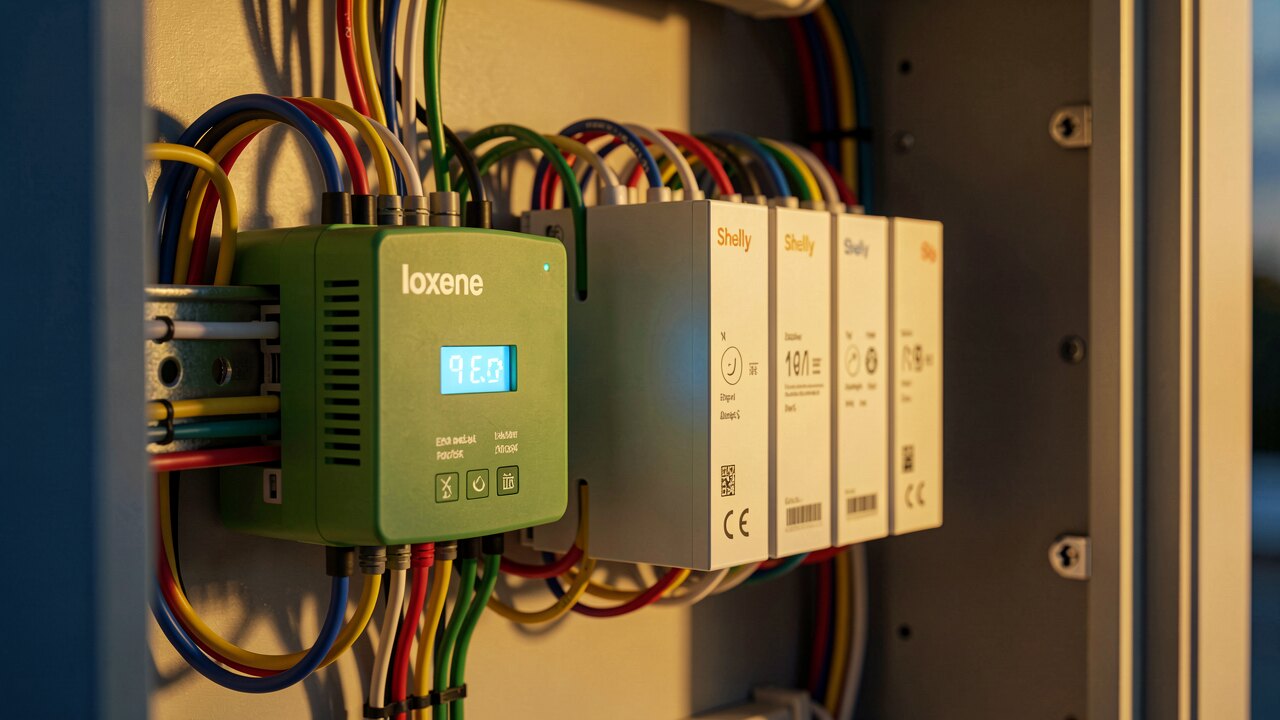
Start from the load profile, not a catalogue. Log the site's 15-minute demand curve for a full week: the height and duration of the recurring peak sets the power (kW) and energy (kWh) needed. A battery that covers the daily peak window plus a margin for defrost and dock cooling is usually the sweet spot — oversizing wastes capital, undersizing misses the top of the peak. Public-data revenue modelling (as done for any ≥1 MW battery) shows the realistic ceiling before you invest.
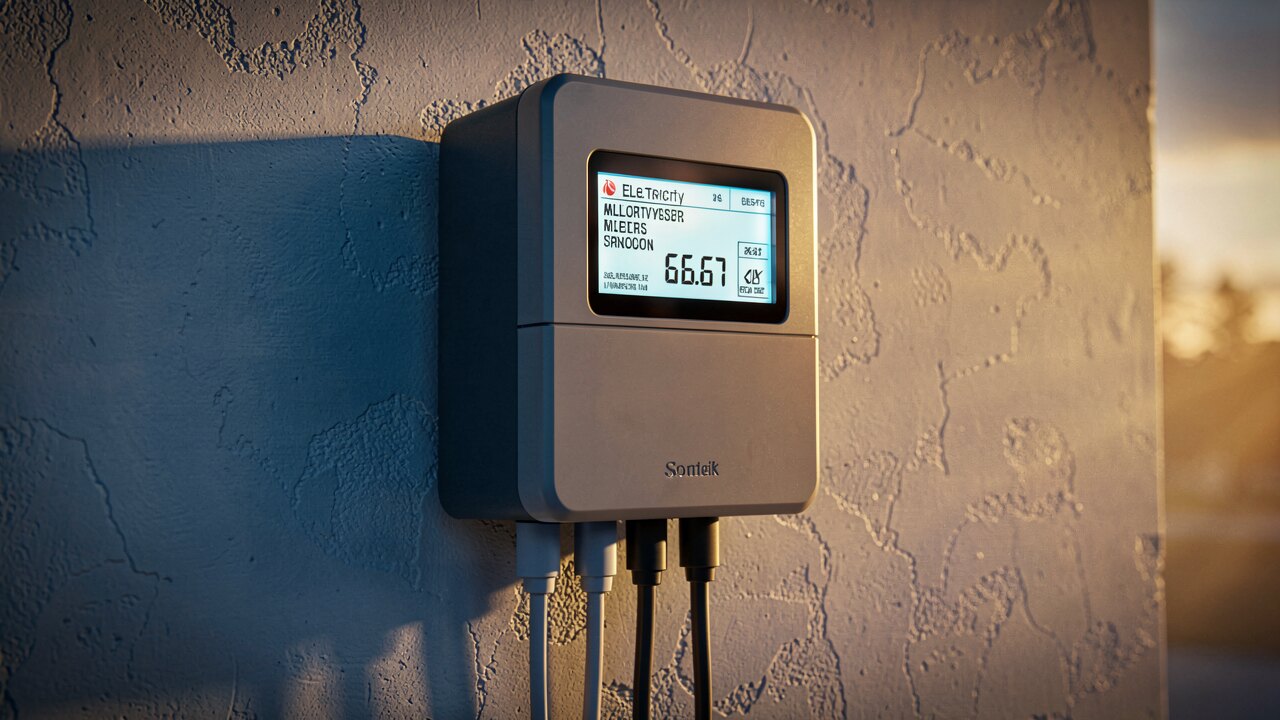
Check the grid connection capacity, the metering (a demand-charged tariff makes peak shaving pay), and whether the inverter/EMS can talk to the refrigeration controls for coordinated scheduling. A battery near cold-store machinery needs its own thermal management (chiller, coolant pump, electric heater for cold starts) so it operates reliably in the warehouse environment.