Key Advantages of Biogas Production
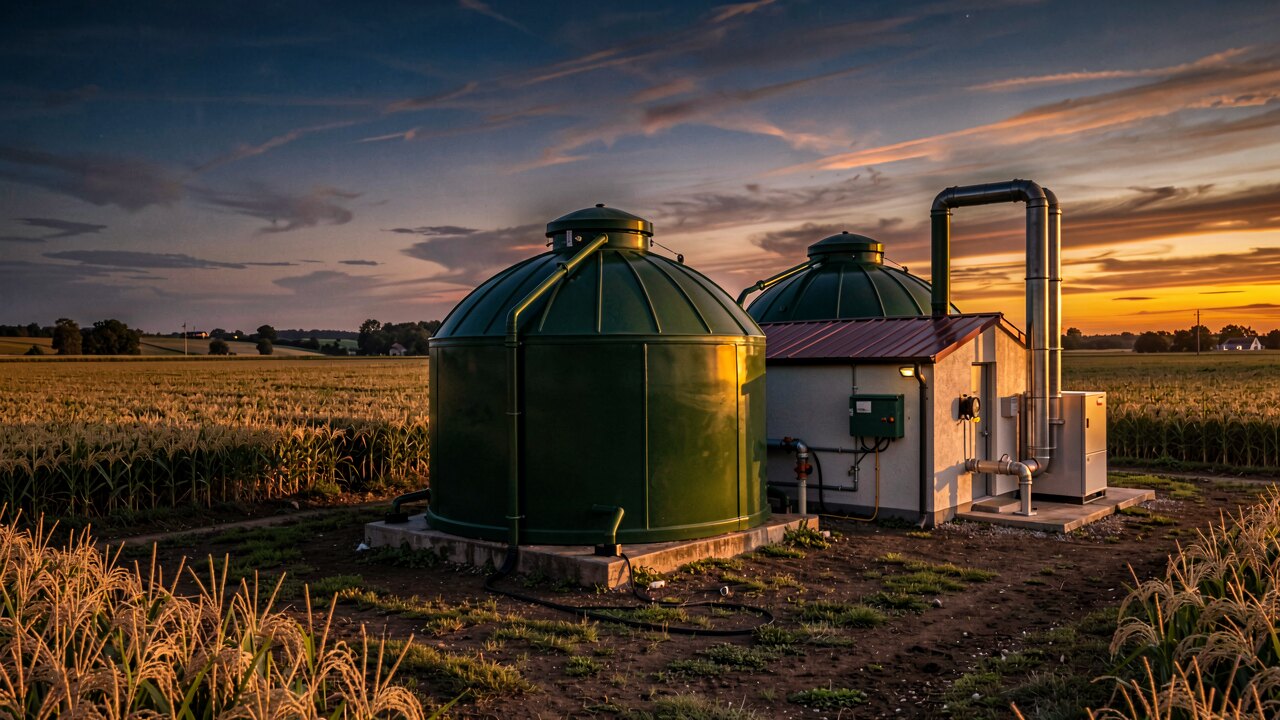
Biogas is a renewable energy source produced through the fermentation of organic materials such as plant residues, food waste, and agricultural products. It offers a sustainable solution by converting waste into valuable energy while promoting a circular economy.
One of the primary benefits is the effective utilization of organic waste. Biogas plants process materials that would otherwise be discarded, turning them into usable energy sources like electricity or heat.
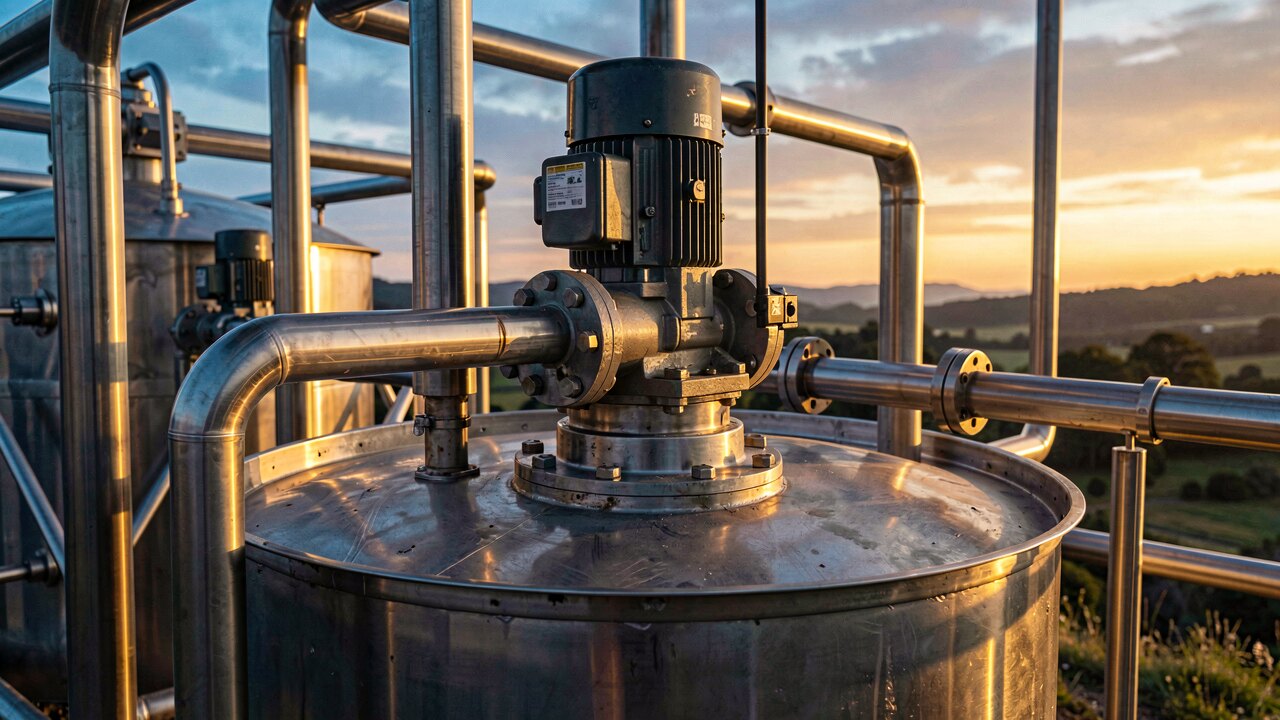
Biogas serves as a reliable alternative to fossil fuels. Unlike weather-dependent sources, it can provide consistent energy output, making it a versatile component in the renewable energy mix.
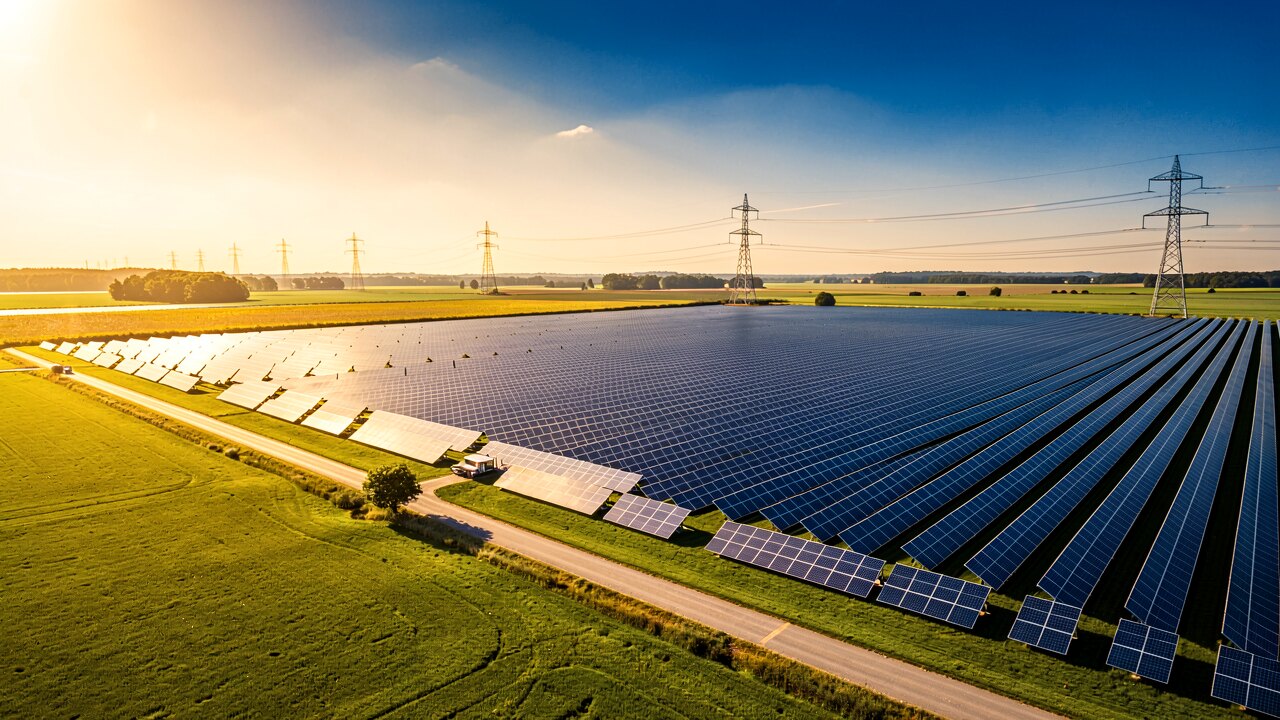
By utilizing organic waste that would naturally decompose and release greenhouse gases, biogas production helps manage the CO2 balance more effectively compared to traditional fossil fuel combustion.

Biogas can be used directly in combined heat and power (CHP) units. This allows for the simultaneous production of both electricity and thermal energy, increasing overall efficiency.

In certain regions, biogas projects can benefit from specific remuneration schemes (such as the EEG in Germany), making it an economically viable path for large-scale energy production.