Klimaschutzmanagement: What It Is and How to Do It
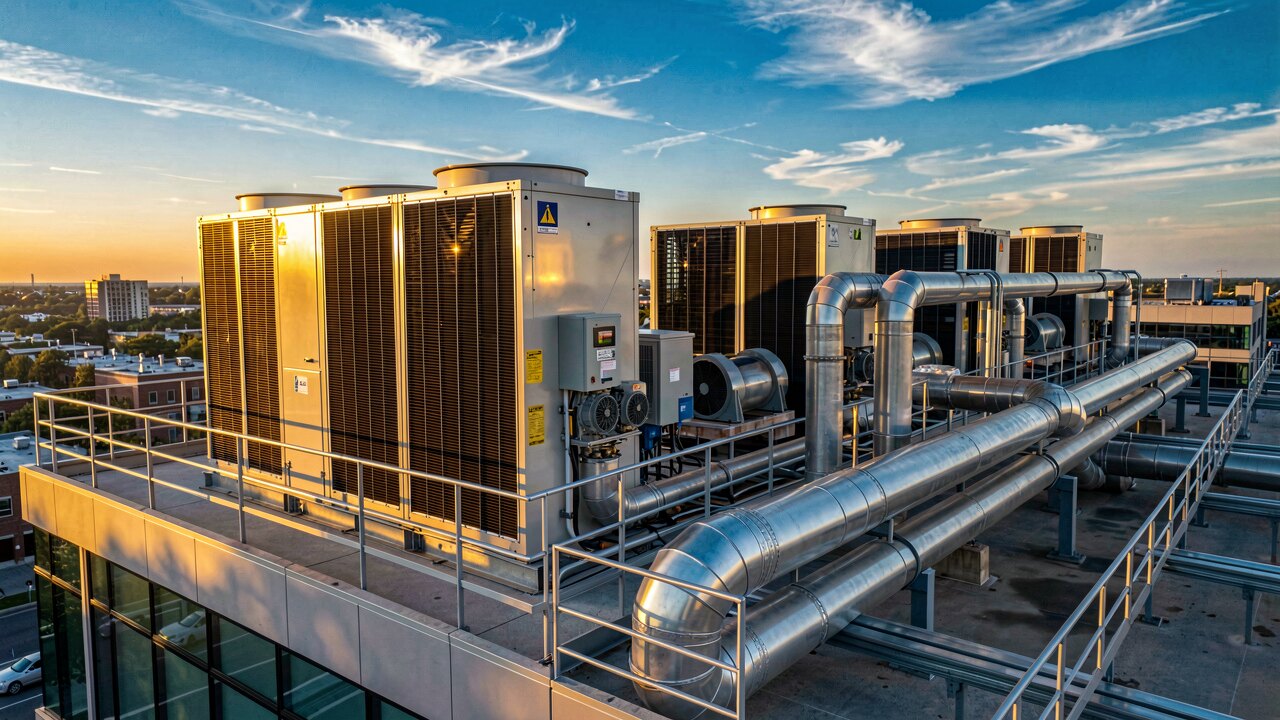
Klimaschutzmanagement (climate protection management) is the structured process of planning, coordinating, and tracking measures that reduce an organization's greenhouse gas emissions. It turns a climate target into concrete projects, budgets, and reporting — usually led by a dedicated climate protection manager (Klimaschutzmanager).
Klimaschutzmanagement means systematically managing CO₂ reduction: measuring emissions, setting targets, choosing measures, implementing them, and monitoring results. It applies to municipalities, companies, and institutions. The person coordinating this work is called a Klimaschutzmanager and typically sits at the interface between management, technical teams, and external partners.

1) Baseline: build a greenhouse-gas or energy inventory. 2) Target: define a reduction goal and timeframe. 3) Concept: create a climate action plan listing measures. 4) Implement: run projects (efficiency, renewables, mobility, heating). 5) Monitor: track energy use and emissions, then report and adjust. This plan-do-check-act cycle is the backbone of the role.
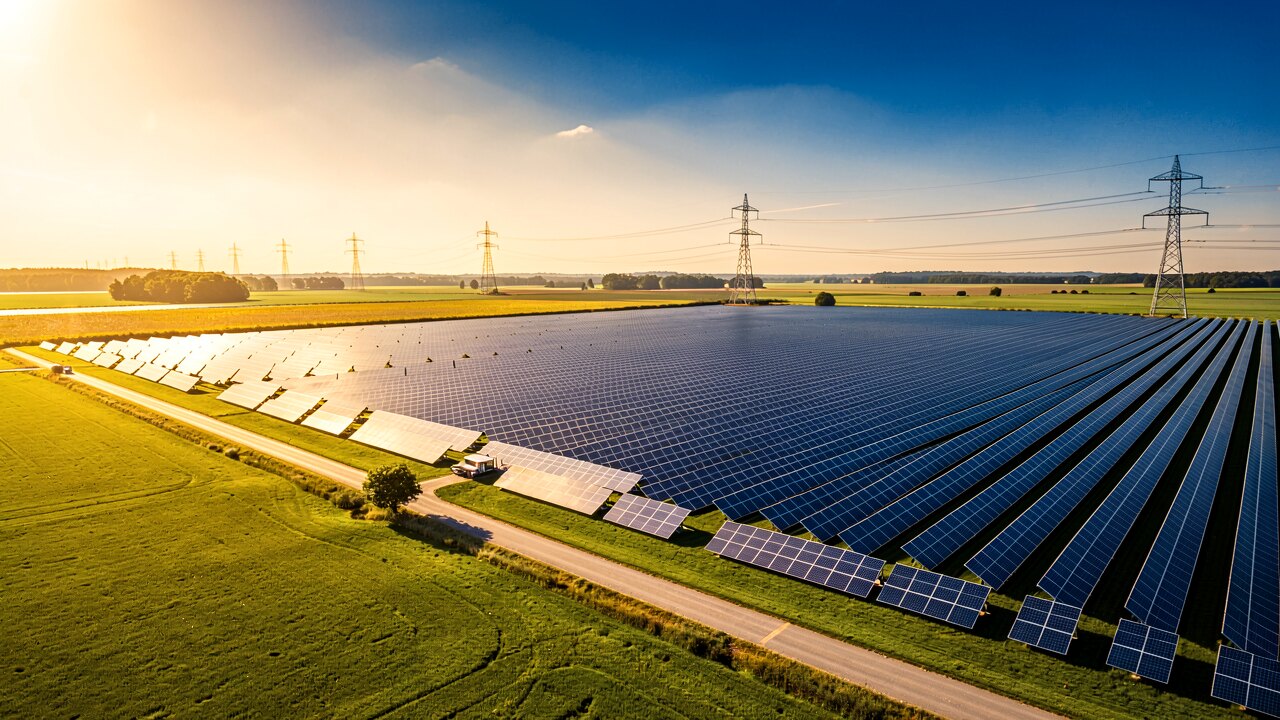
Day to day, the manager coordinates rather than builds: they gather energy and consumption data, prioritise measures by cost and CO₂ impact, apply for funding, brief decision-makers, and keep a monitoring system running. Much of the value comes from making energy flows transparent — you cannot manage emissions you do not measure.
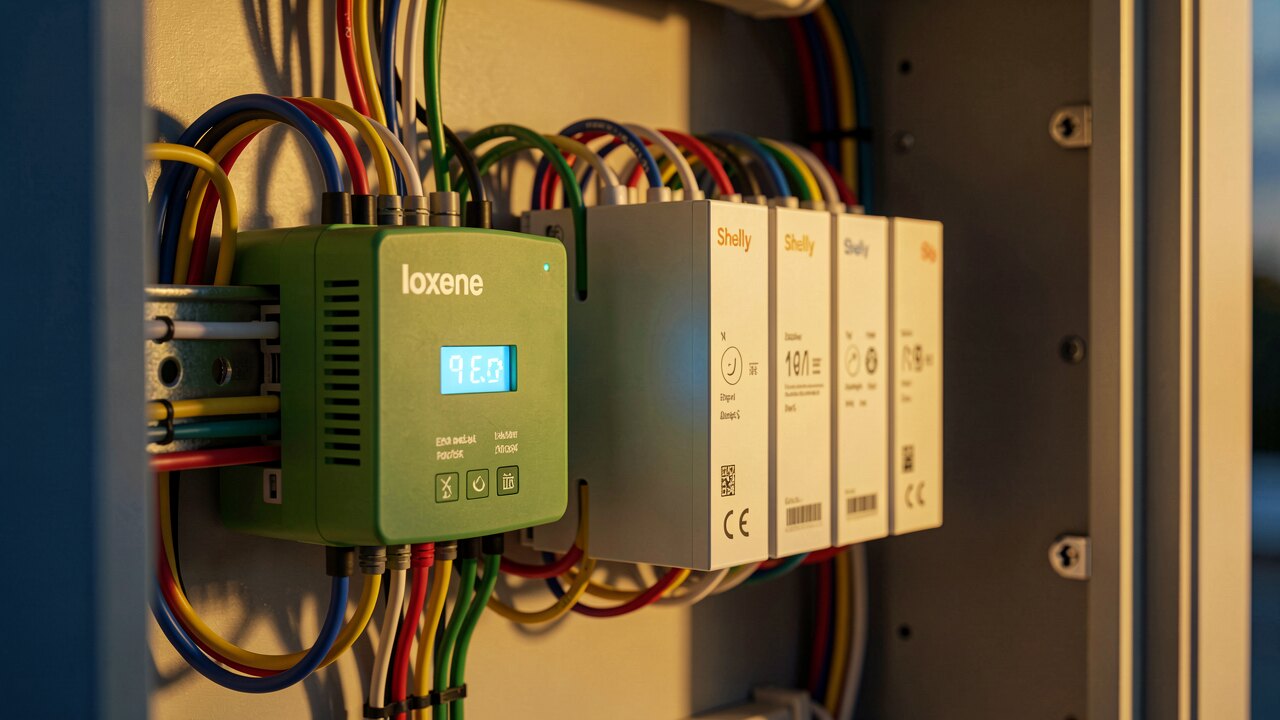
Klimaschutzmanagement sits above operational energy management. An energy management system supplies the data — loads, peaks, consumption per building or process — while climate management uses that data to steer reduction measures and report progress. Reducing peak loads and improving efficiency directly lowers both energy costs and CO₂.
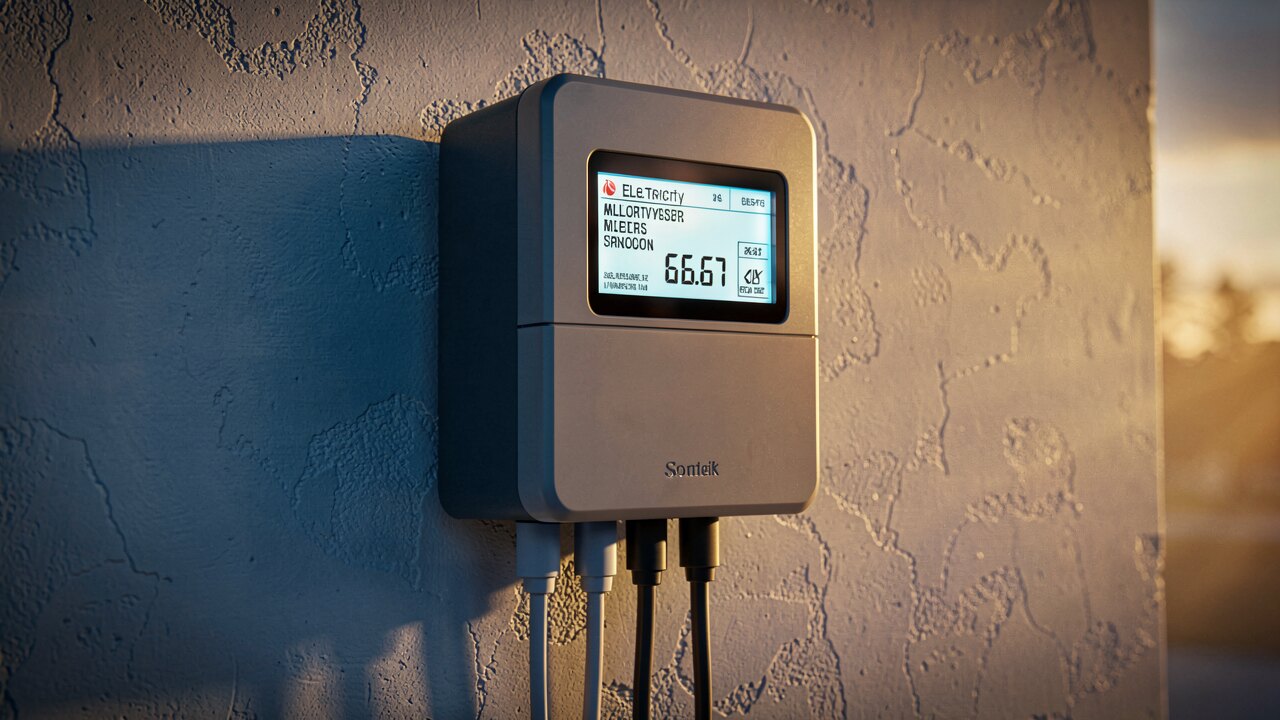
Common levers include: switching to renewable electricity and on-site solar, improving building insulation and heating (e.g. heat pumps), optimising energy-intensive processes, adding metering and monitoring, shifting mobility to low-emission options, and using battery storage to cut peaks. Each measure is ranked by emission savings per euro invested.
Climate protection roles and concepts are often supported by public funding programmes (in Germany, for example, BAFA and national climate initiatives). Subsidies can cover a share of eligible costs for energy management systems, concepts, or staff positions. Because programmes and rates change, confirm current conditions with the responsible authority before budgeting.