Marktzugang (Market Access): Reaching the Power Markets
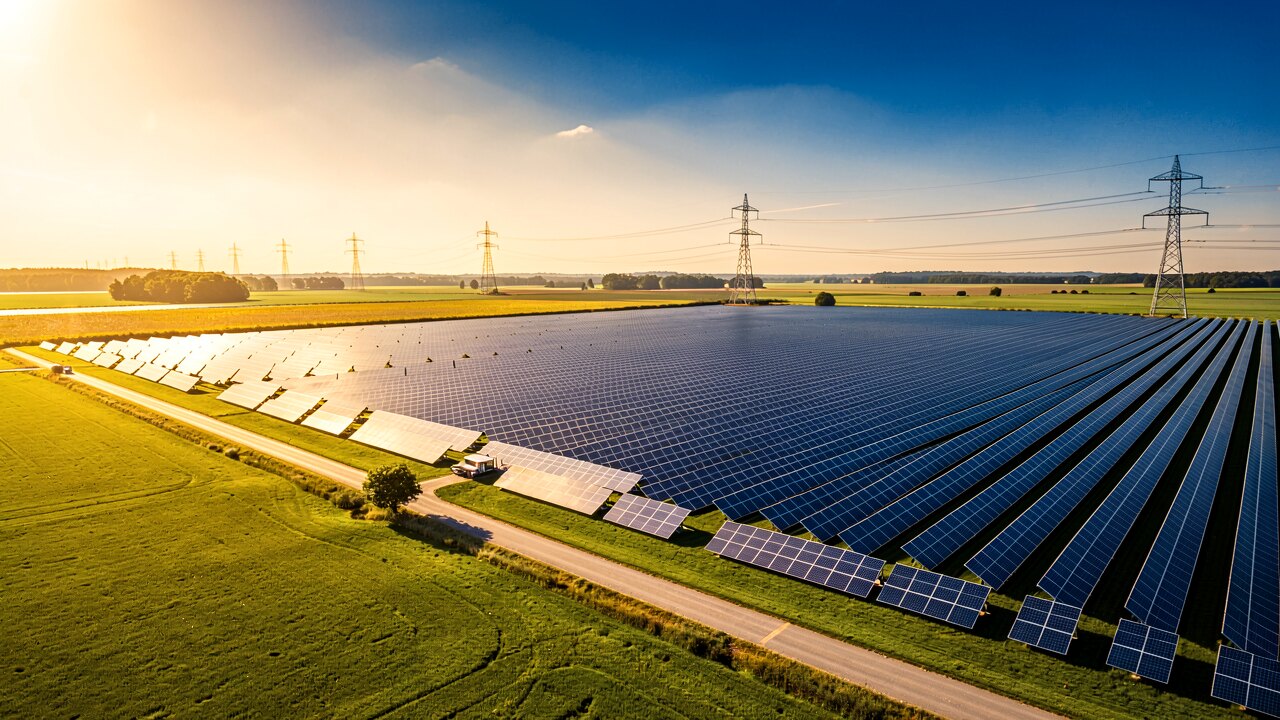
"Marktzugang" is the German term for market access — the ability to buy, sell, or offer flexibility on organized electricity markets. For a battery, PV plant, or flexible load, it means being technically and contractually connected to markets like the day-ahead exchange, intraday, and balancing (reserve) markets.
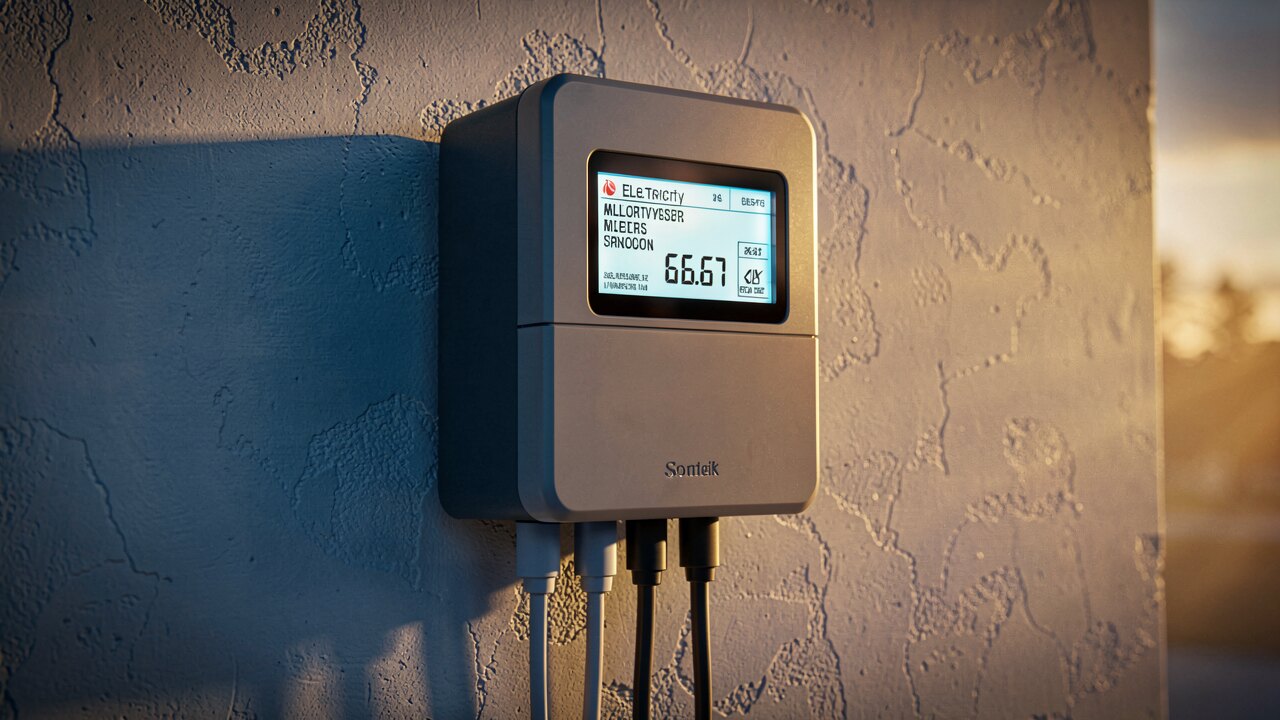
Market access is the right and technical setup to trade energy or flexibility on a wholesale power market. You cannot simply plug in and sell: you need a balancing-group contract, market-compliant metering, and — for reserve markets — prequalification. In practice, most operators reach the market through a direct marketer or aggregator rather than trading themselves.
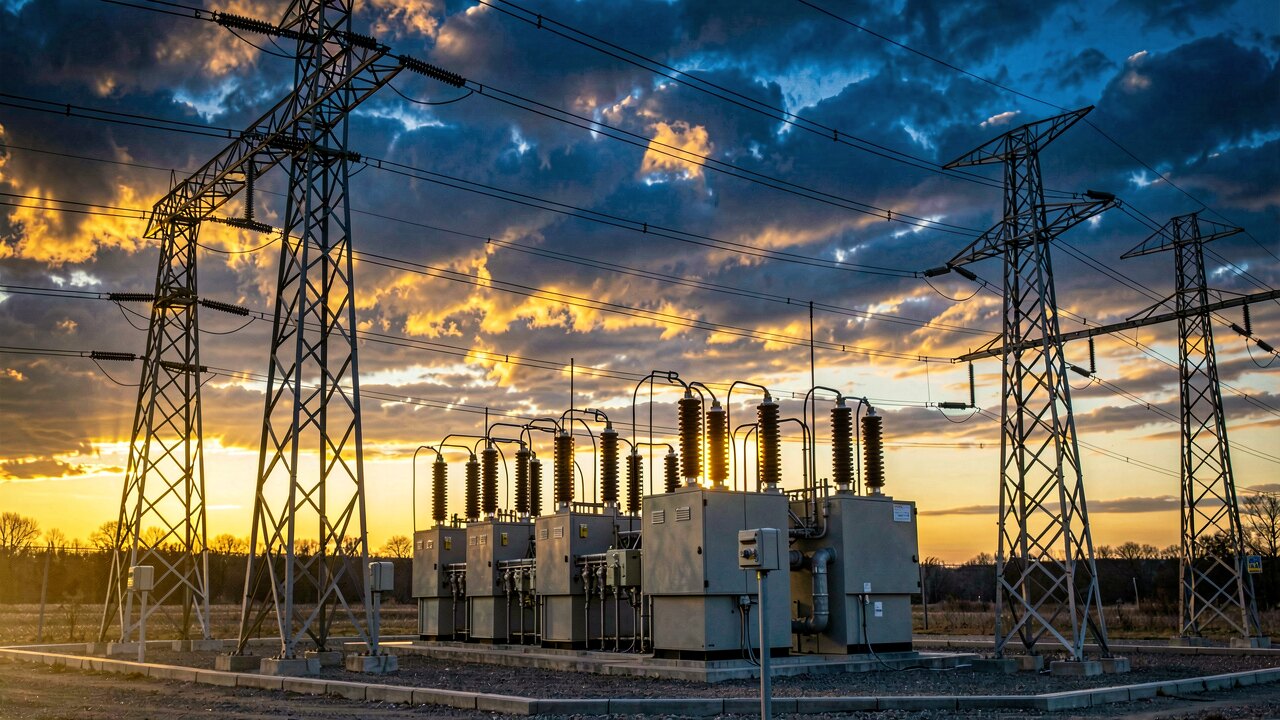
There are three main routes. Day-ahead: you sell energy the day before delivery in hourly blocks on the spot exchange. Intraday: you trade closer to real time to correct forecasts or exploit short-term price moves. Balancing/reserve markets: you offer capacity to help stabilize grid frequency. A storage asset can, in principle, reach all three.
The fastest route is a direct marketer or aggregator: they hold the trading access, pool many assets, handle metering and settlement, and pay you for the energy or flexibility you provide. The alternative — building your own market access — means setting up a balancing group, exchange membership or a trading service, and passing prequalification for reserve markets. For most plants, the aggregator route is far simpler.

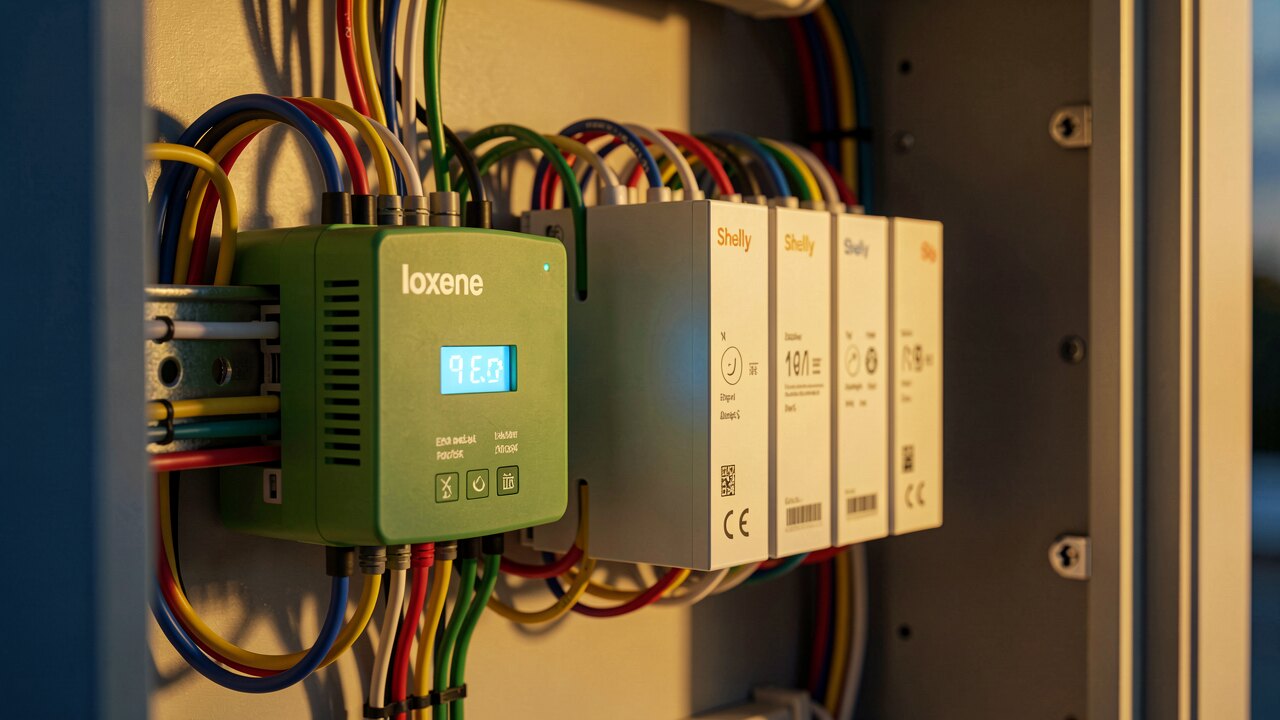
Expect these building blocks: registration of the plant (e.g. in the market master-data register), a metering setup that delivers market-compliant, time-resolved data, assignment to a balancing group, and — for reserve products — a prequalification proving your asset can deliver the offered capacity reliably. A remote-control and monitoring link (e.g. via Modbus or MQTT to a control system) is usually required so the asset can respond to dispatch signals.
Access to just one market rarely captures the full value of a battery. "Multi-market stacking" (also called Automix) means the same storage serves several markets at once — for example arbitrage on the spot market plus balancing capacity — interlocked so the asset chases the highest available revenue at each moment instead of being locked to a single product.
Direct marketing means a service provider markets your electricity for you and shares the revenue, taking on the trading risk and administrative burden. Own trading gives you full control and margin but requires staff, systems, and market memberships. Smaller and mid-size operators almost always start with direct marketing and only build in-house access once volumes justify it.