Photovoltaic Feed-In Shutdown: When It Happens and What You Are Owed
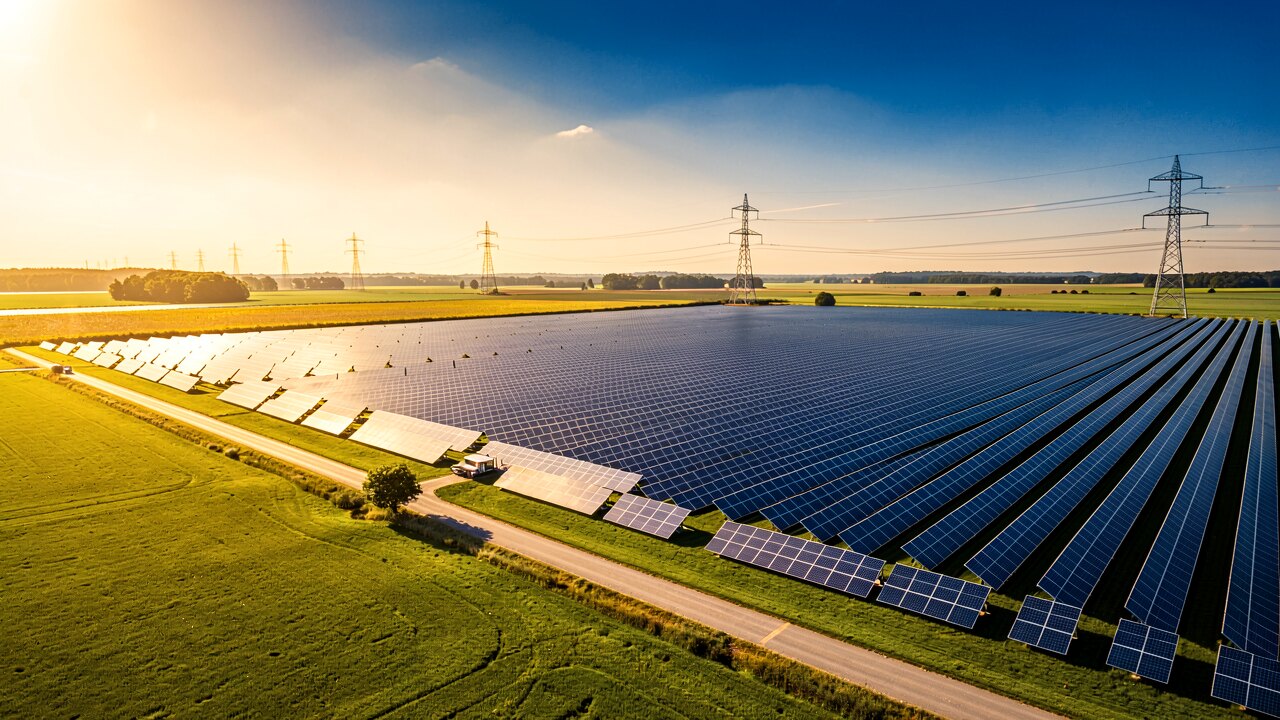
Your solar feed-in can be switched off for two very different reasons: the grid operator curtails it to protect the network, or the law suspends your payment during negative market prices. Below is who does what, whether you lose money, and the exact steps to recover it.
Grid operators are legally allowed to curtail or fully shut down your solar feed-in when the local grid is overloaded (feed-in management, now handled under Redispatch 2.0). You do not need to consent, and it can happen automatically around midday when generation peaks. Crucially, you keep your right to compensation for the energy you could not feed in — the shutdown removes the electricity, not your claim.
1) Grid curtailment: the operator throttles you for network stability — this is compensable. 2) Negative market prices (§51 EEG): during hours when the exchange price turns negative, your feed-in tariff is legally suspended for that period. This is not a curtailment and is generally not compensated. Check which one hit you before assuming you are owed money — the paperwork and the claim differ.
For grid-related curtailment, compensation covers the generation you lost. The change that catches most operators out: it is no longer paid out automatically. Since 2026 you have to identify the shutdown, quantify the lost kWh, and formally request the payment from your grid operator. If you wait for it to appear on a statement, it usually will not.
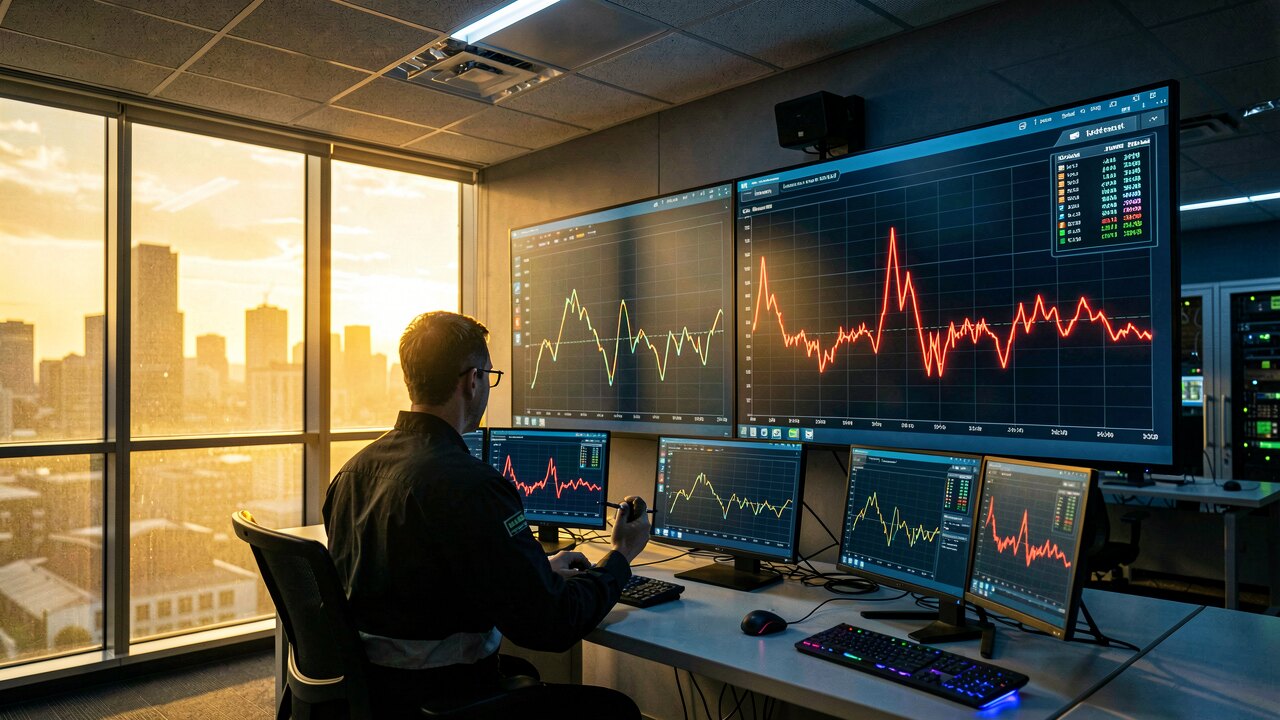
Step 1: pull the timestamps of every curtailment event (from your inverter/metering data or the operator's dispatch signals). Step 2: estimate the energy you would have produced in those windows using irradiance/reference data. Step 3: value it at your applicable tariff or market premium. Step 4: submit a written compensation claim to the grid operator with the figures. Keep the raw generation logs — they are your evidence if the amount is disputed.
If you instead want to stop feeding into the grid yourself — for example to run pure self-consumption — this is a configuration in your inverter or a control unit that limits export to 0 kW. It is a technical setting, not a legal shutdown, and means you forgo feed-in revenue entirely. Only do this if self-consumption plus storage genuinely beats what you would earn by exporting.
Planned (draft, officially unconfirmed as of 2026): under discussed EEG reform, the fixed feed-in tariff for new small PV systems up to 25 kWp would be dropped from 01.01.2027, shifting new operators toward direct marketing and self-consumption. This is a proposal, not enacted law — treat any 'mandatory from 2027' claim with caution until it is confirmed.