Photovoltaic Monitor: What It Does and How to Choose One
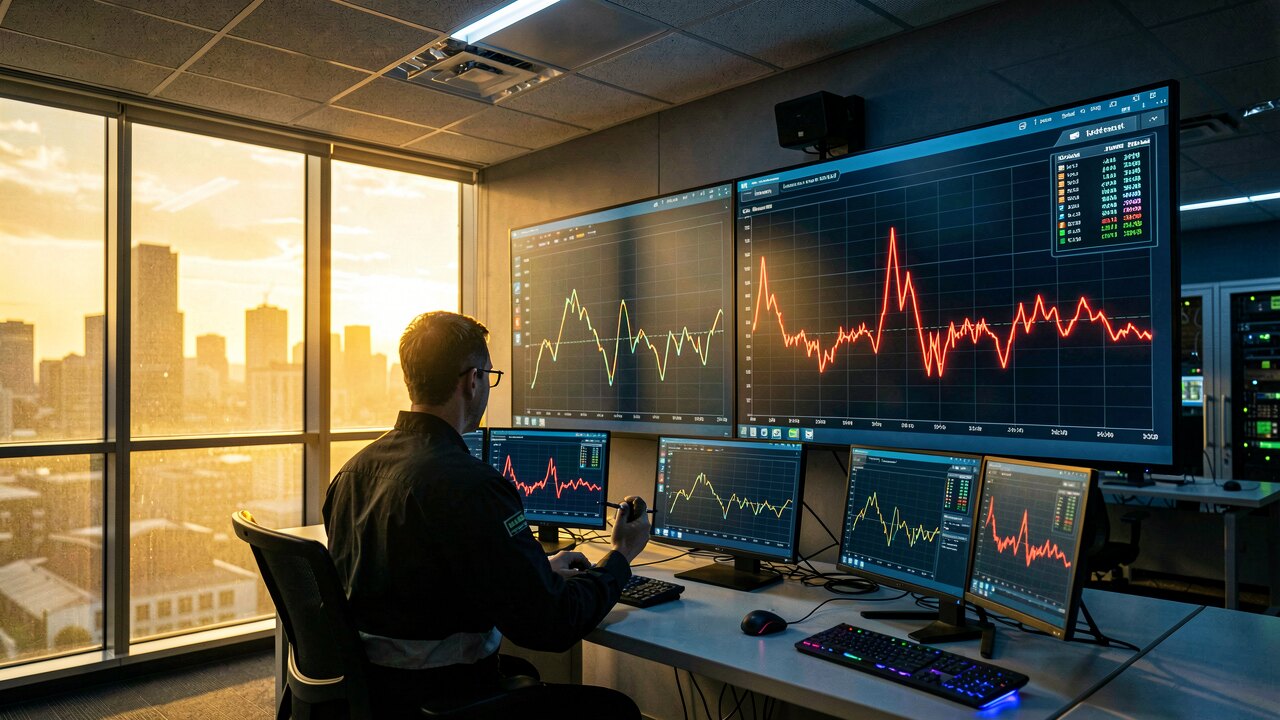
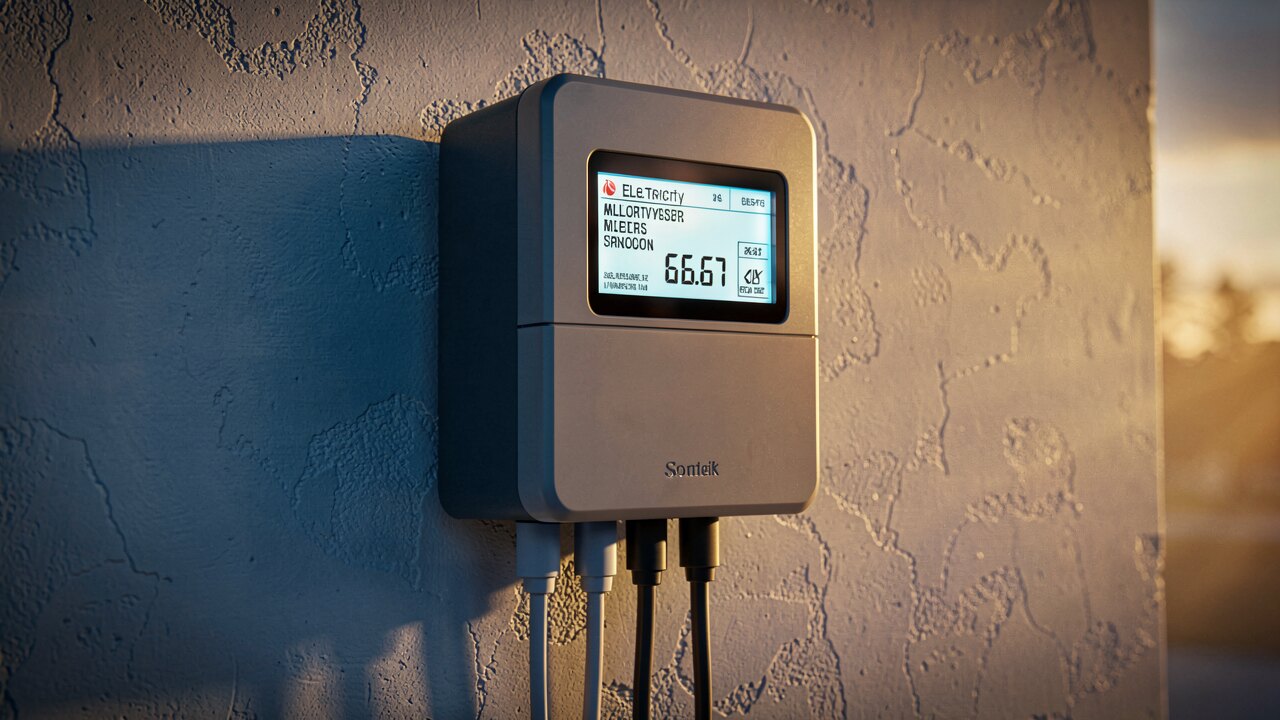
A photovoltaic monitor is a device that measures your solar system's electricity production and consumption in real time, so you can see exactly how much power your panels generate and where it goes. It connects to your inverter or meter, sends the data to an app or dashboard, and alerts you when output drops below what you'd expect.
At minimum it tracks generation (kWh produced by your panels), consumption (what your home uses), and the split between self-consumption and grid feed-in. Better systems also log per-string or per-panel output, voltage and current, and battery/heat-pump loads if you have them. The point is to turn an invisible rooftop into numbers you can act on.
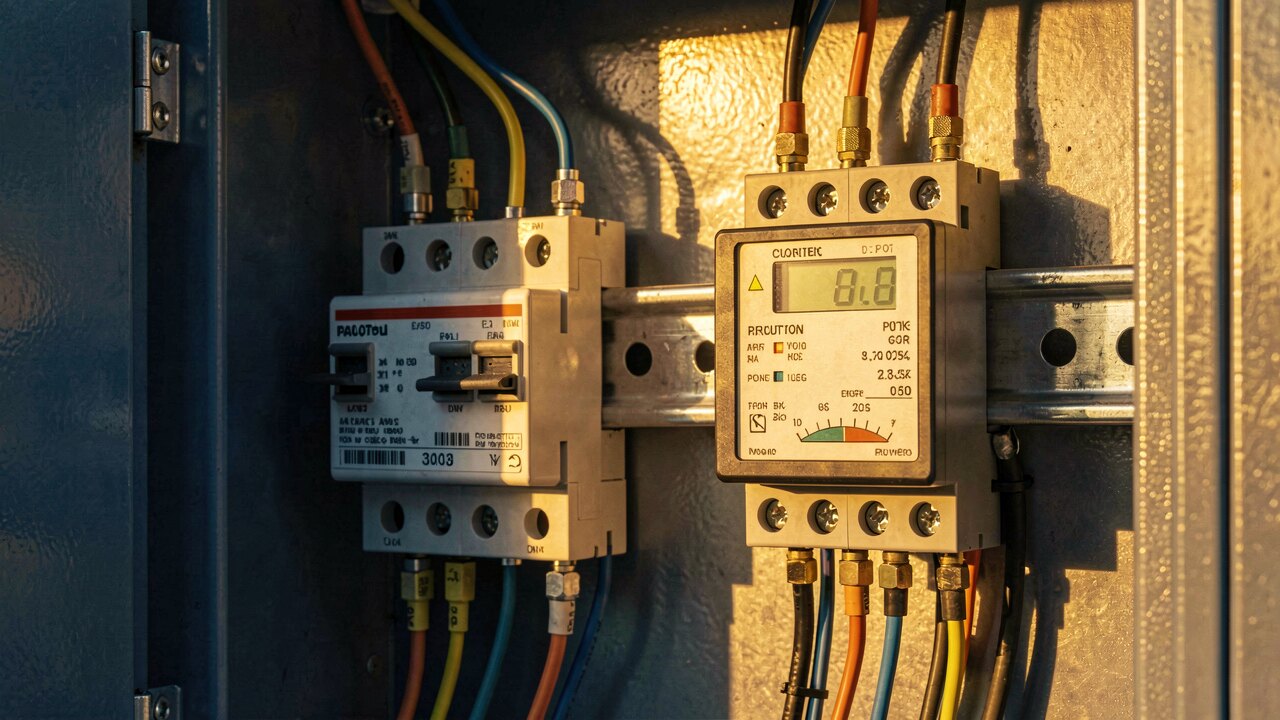
Most monitors read data one of two ways: directly from the inverter (many inverters have a built-in portal or a Modbus/API interface), or via a clamp/current sensor and energy meter on your main line. A retrofit clip-on sensor can be fitted in minutes and needs no rewiring of the panels; a meter-level install should be done by an electrician. Data then reaches you over Wi-Fi, LAN, or a protocol like MQTT.
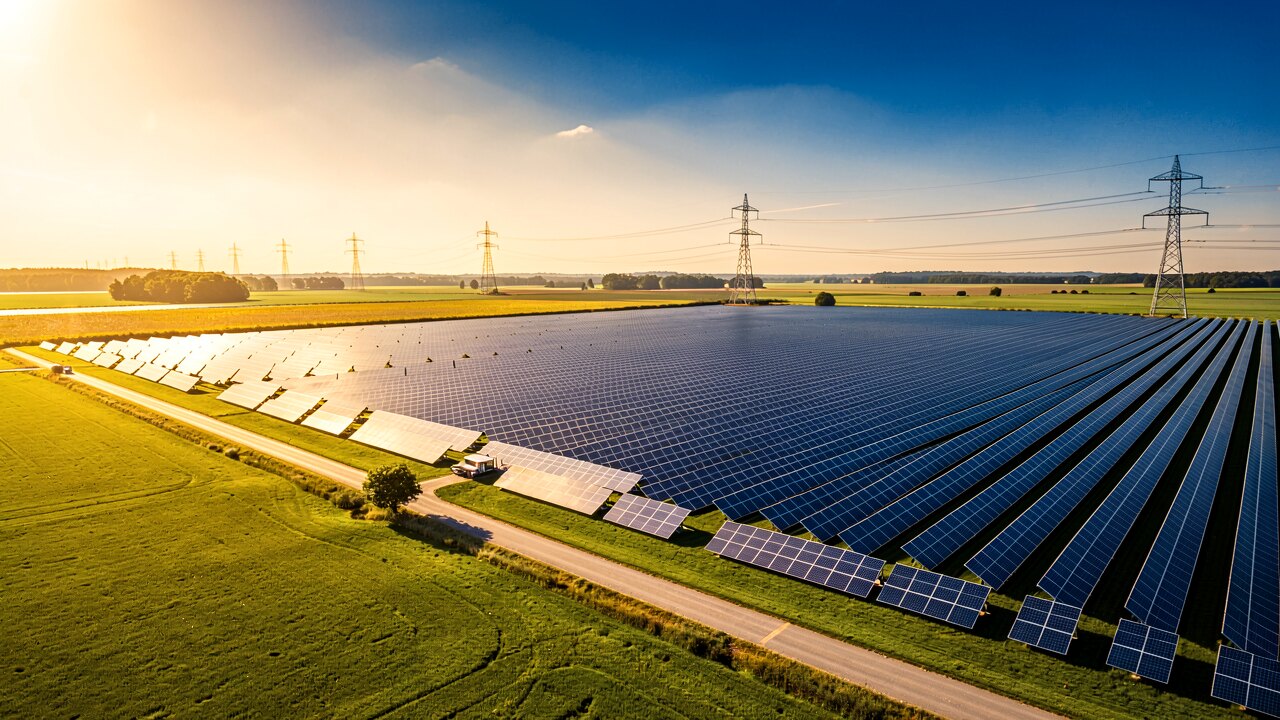
Without monitoring, a failed panel, a shaded string, or a tripped inverter can go unnoticed for weeks — costing you generation you already paid for. A monitor flags the drop the same day, lets you compare actual output against expected yield, and shows how much of your solar power you're using yourself versus exporting. That self-consumption figure is where most of the financial value sits.
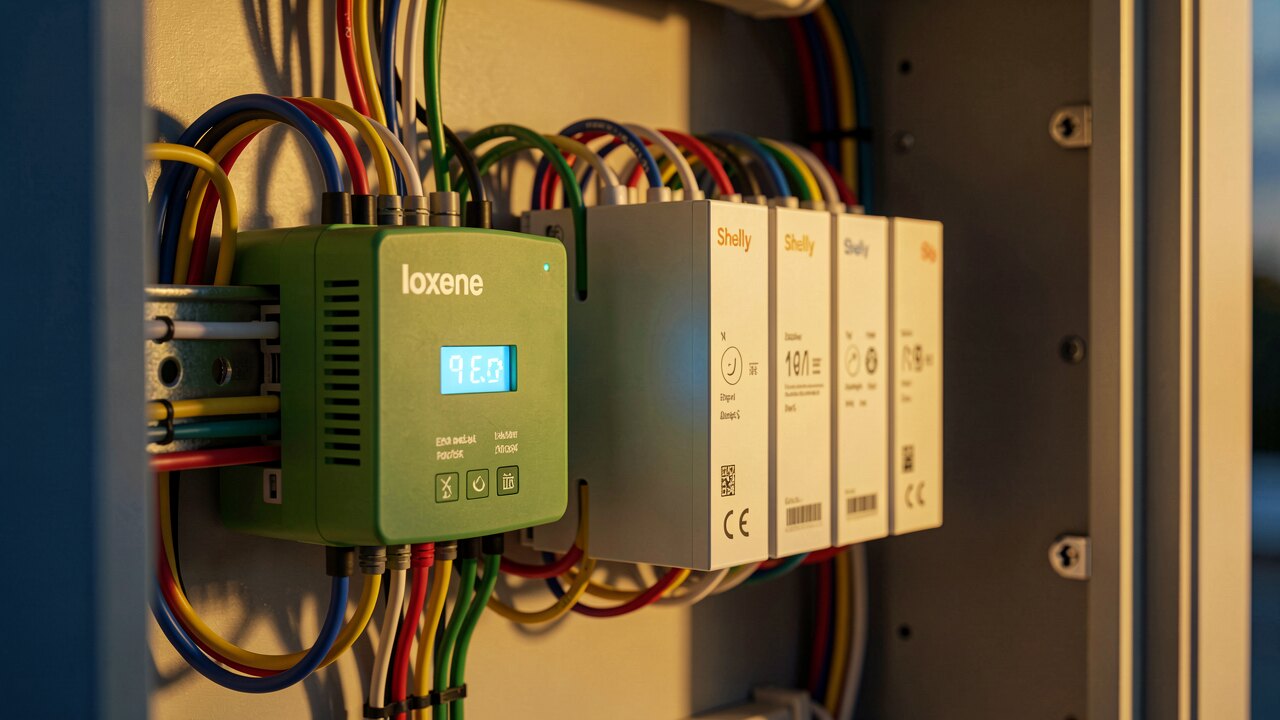
Check that it's compatible with your inverter brand, that it offers at least per-string (ideally per-panel) resolution, and that it stores historical data you can export. Prefer open protocols (Modbus, MQTT, a documented API) over closed apps so you're not locked to one vendor. Real-time alerts and support for adding a battery, EV charger, or heat pump later are worth paying for.
A monitor tells you performance is down; it doesn't always tell you why. For a physical fault check — hotspots, cracked cells, faulty bypass diodes — a thermographic (infrared) inspection, often flown by drone, scans every module for defects in a short time. Use the monitor for continuous oversight and an IR inspection when the data points to a hardware problem.