Photovoltaic Storage Prices in 2020 — What a Home Battery Cost
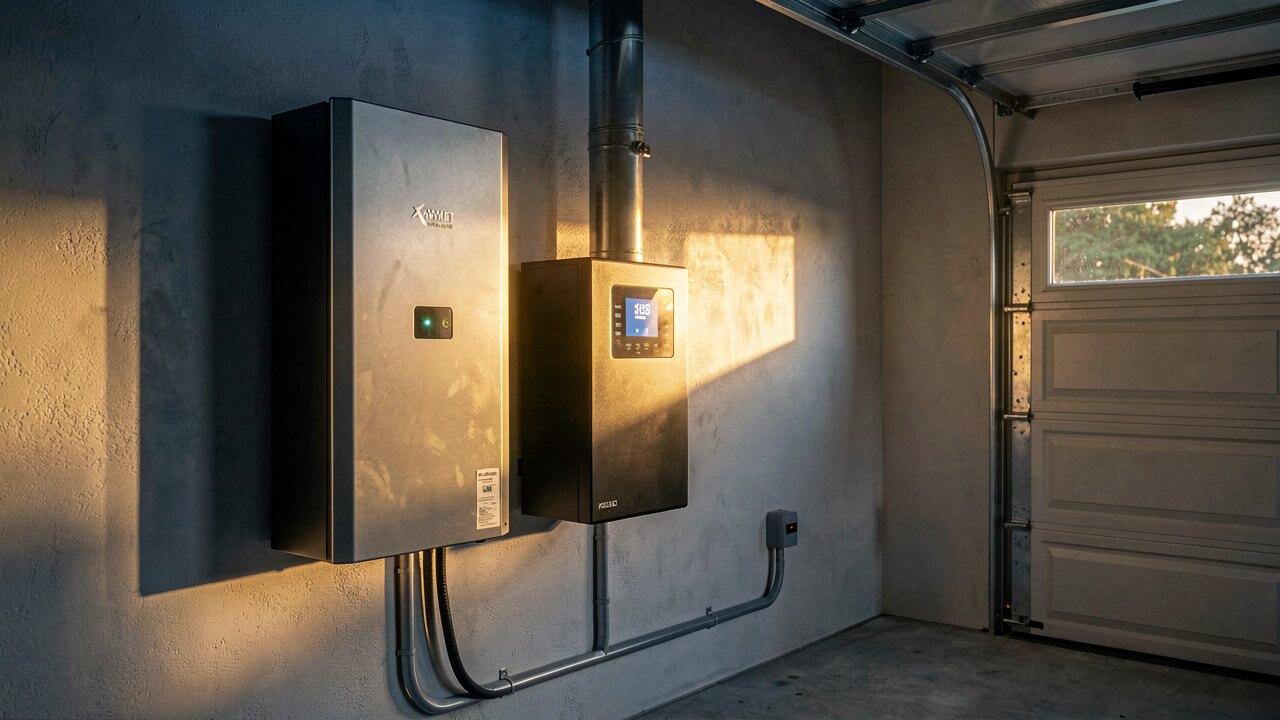
In 2020 a residential lithium-ion solar battery cost roughly €800–1,200 per usable kWh installed, so a typical 8–10 kWh system landed at about €6,000–10,000 fitted. Below are the concrete price bands, what drove them, and how 2020 compares to earlier and later years.
For German home storage in 2020, the rule of thumb was roughly €1,000 per usable kWh installed (typical range €800–1,200/kWh), including battery, inverter/hybrid electronics and installation. Small 5 kWh units sat at the higher €/kWh end; larger 10 kWh+ systems were cheaper per kWh thanks to fixed costs being spread out. These are market averages — actual quotes varied by brand, chemistry (LFP vs. NMC) and installer.

As installed turnkey figures in 2020: a ~5 kWh battery cost roughly €5,000–7,000; a ~8 kWh battery about €6,500–9,000; and a ~10 kWh battery about €8,000–11,000. AC-coupled retrofits for an existing PV array were usually a bit pricier than DC-coupled systems bought together with a new solar array, because they need their own battery inverter.

A 2020 storage quote typically bundled the battery modules, the battery/hybrid inverter, the battery management system (BMS), mounting, wiring, and commissioning. Extras that often pushed the price up: an emergency-power/backup function, an energy meter or smart-home gateway, and any electrical upgrades in the fuse box. Warranties were commonly 10 years or a throughput/cycle guarantee.
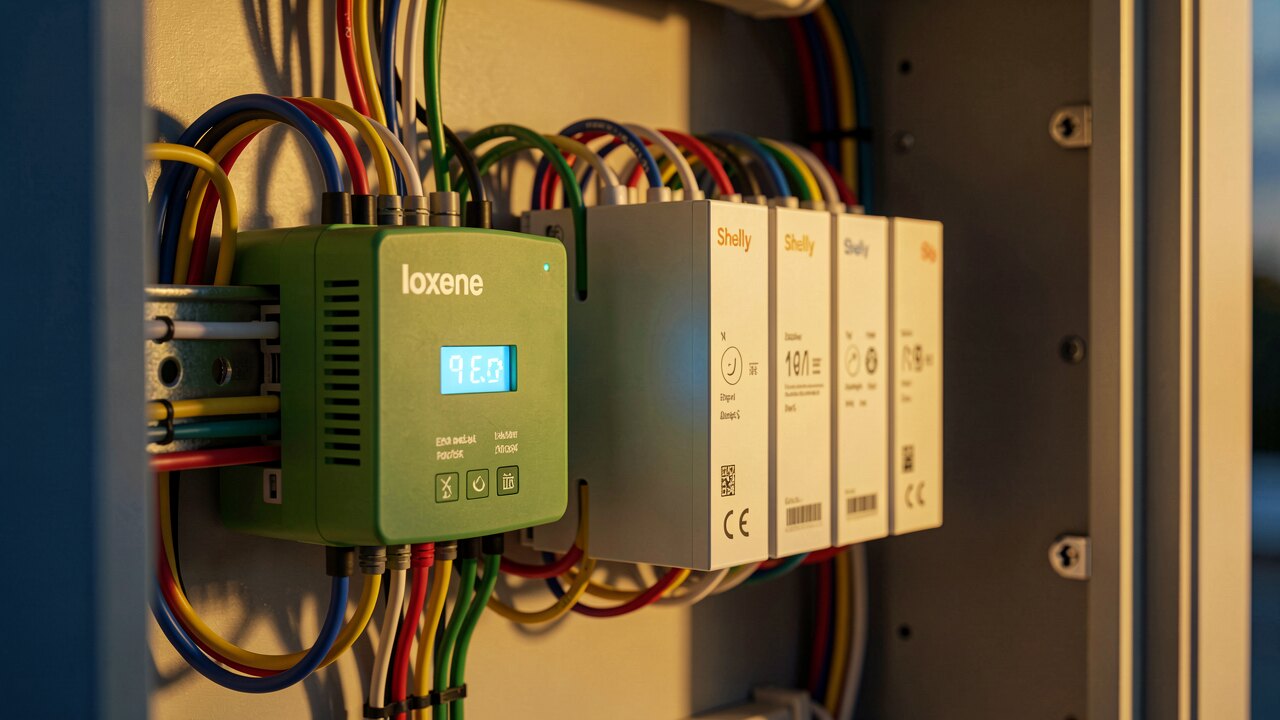
Battery-cell prices had fallen dramatically over the decade — lithium-ion pack costs dropped by roughly 85–90% between 2010 and 2020 as EV production scaled up. Around 2013 home storage still cost close to €2,000/kWh; by 2020 it had roughly halved to about €1,000/kWh. This made pairing a battery with rooftop PV economically attractive for the first time for many households.
If you are comparing an old offer or planning now, note that 2020 prices are historical: per-kWh costs have generally continued to trend down for LFP systems since. When benchmarking, always convert to €/usable kWh installed, check whether the figure is net or gross of VAT (Germany moved solar+storage to 0% VAT in 2023, which changed sticker prices), and confirm whether installation is included.
Bigger isn't automatically better value. In 2020 the sweet spot for a single-family home with PV was usually a battery sized at roughly 1 kWh per 1,000 kWh of annual consumption (often 5–10 kWh). Oversizing raised the total price without proportionally raising self-consumption, so the cheapest €/kWh headline didn't always mean the best payback.