Photovoltaics Without Feed-In, With Battery Storage: How It Works
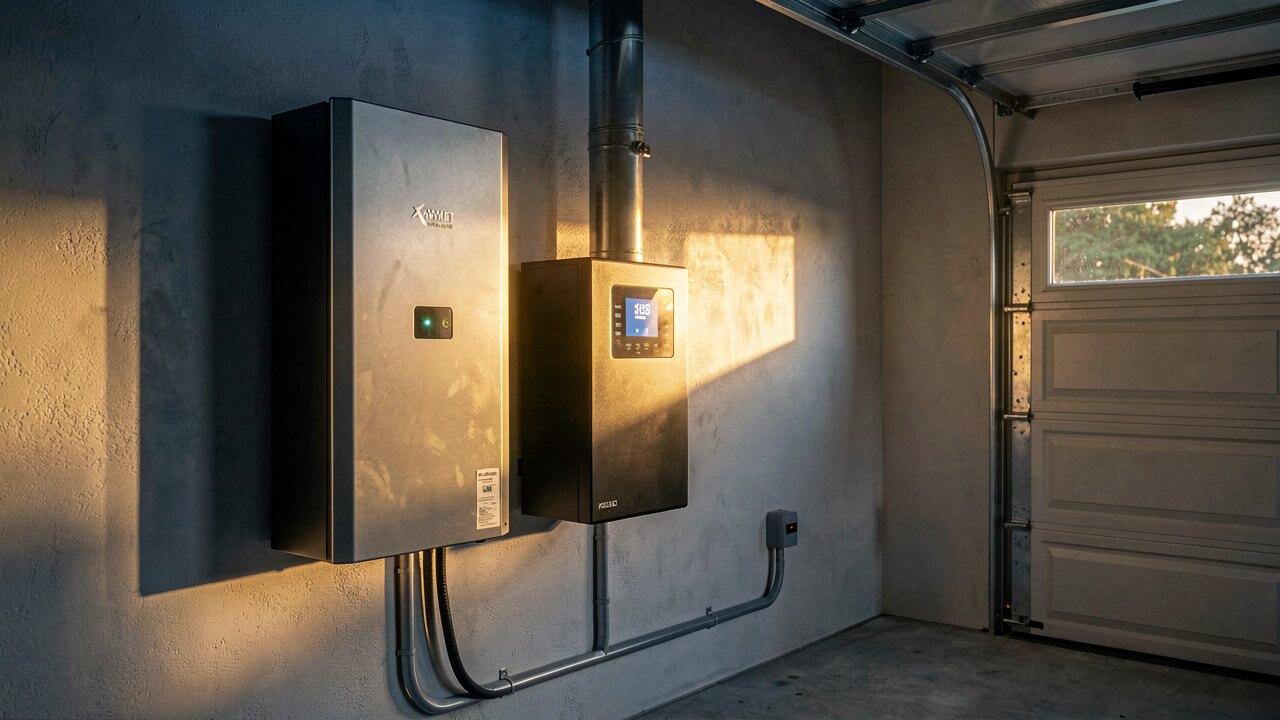
Yes — you can run a PV system that never exports to the grid by pairing it with a battery and a zero-export controller. The controller measures at your grid connection point and caps the inverter so surplus goes into the battery instead of the grid.
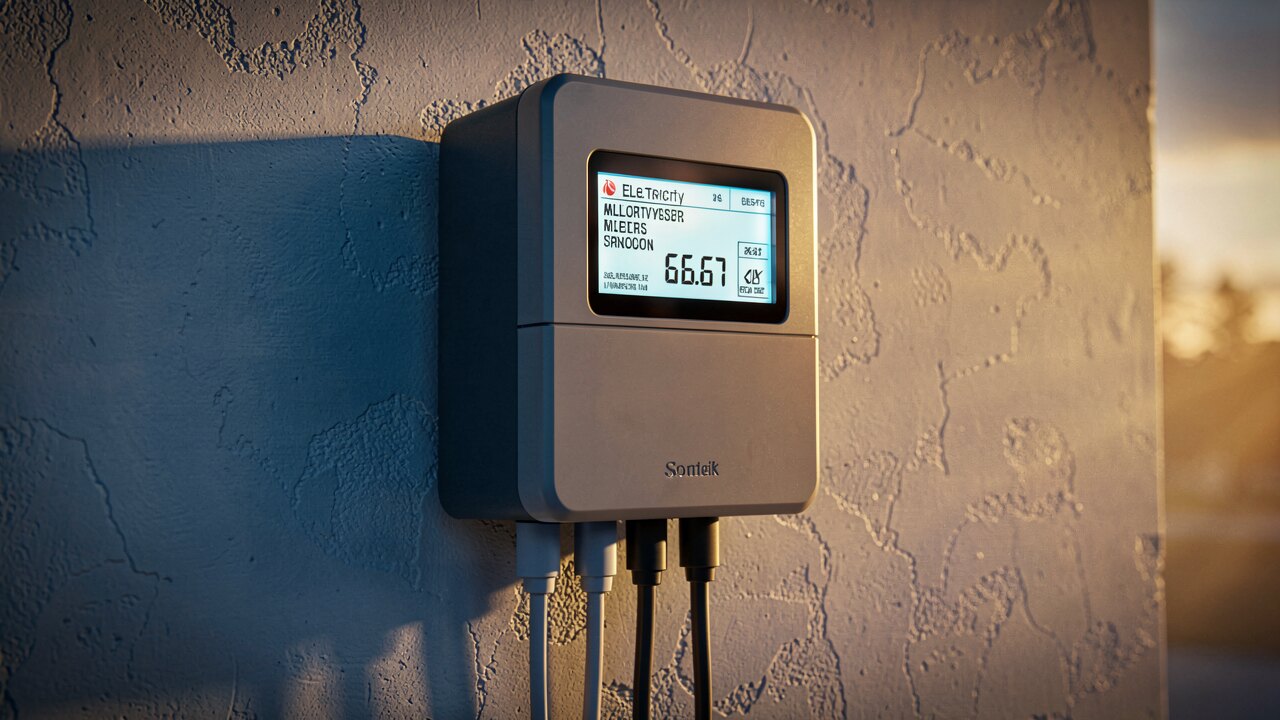
A "zero feed-in" (zero-export) PV system uses a current/energy sensor at the grid connection point. It continuously measures your household draw and tells the inverter to produce only what you consume. Any surplus is routed to the battery. When the battery is full and consumption is low, the inverter throttles production down toward zero so nothing flows to the grid.
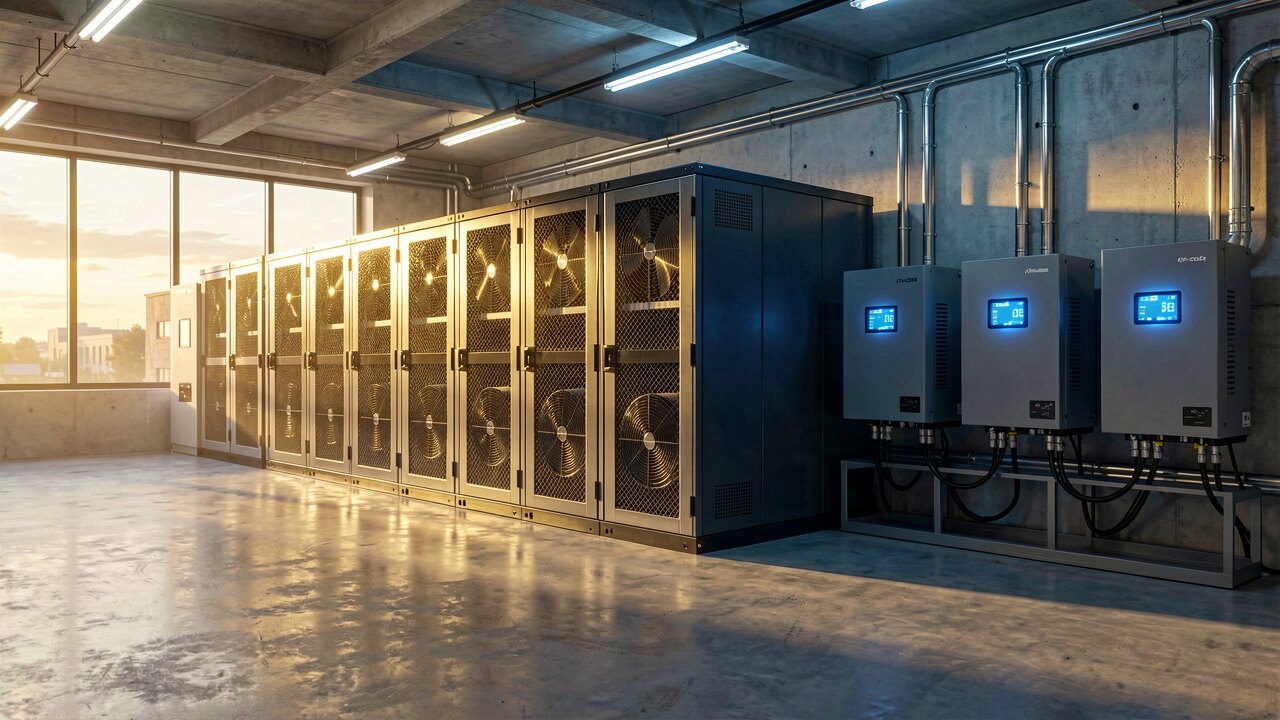
Without a battery, a zero-export system has to curtail (waste) most midday surplus, because you can only produce what you use in that moment. The battery captures that surplus and releases it in the evening and at night, so far more of your generated energy is actually used. Size the battery to your daily off-solar demand: a rough rule is about 1 kWh of usable storage per 1,000 kWh of annual consumption, adjusted for how much evening/night load you have.
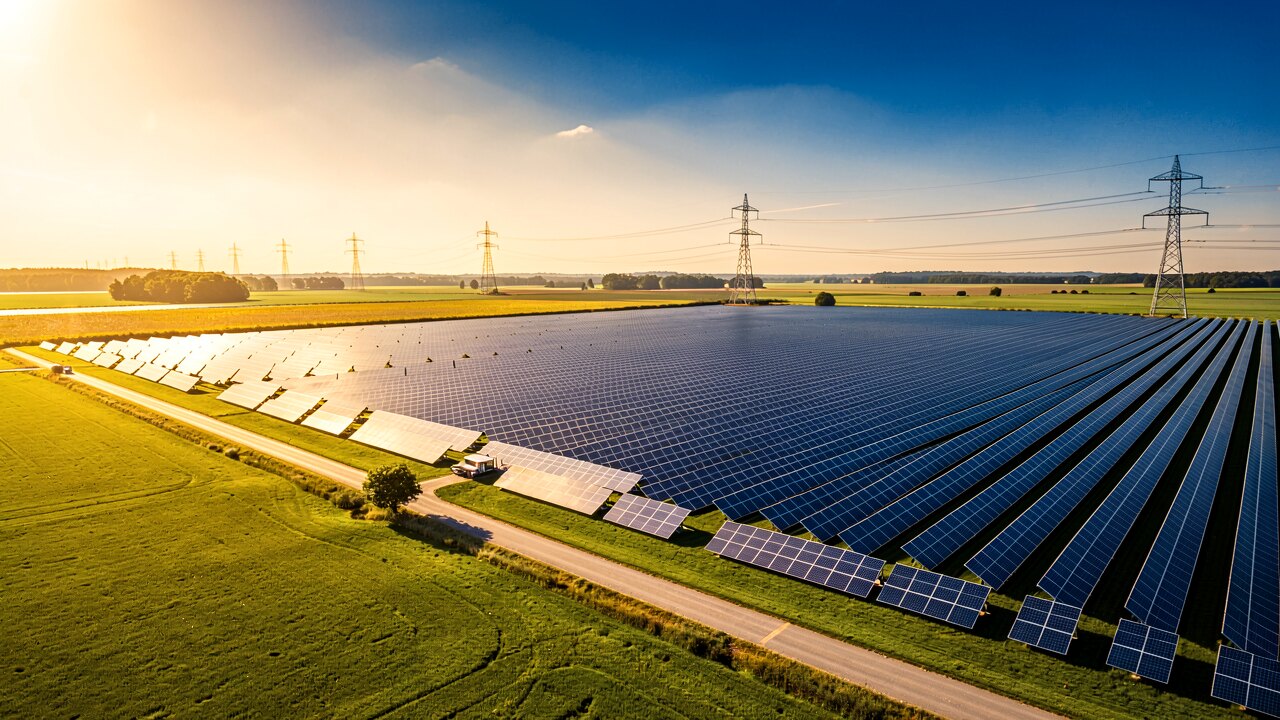
When the battery is full and loads are low, the PV is curtailed and that energy is simply lost — you receive no feed-in payment for it. So a zero-export design trades a small amount of unused solar for freedom from feed-in metering and grid-export formalities. It is most attractive where feed-in tariffs are very low or zero, where export is restricted, or where you want the simplest possible grid interface.
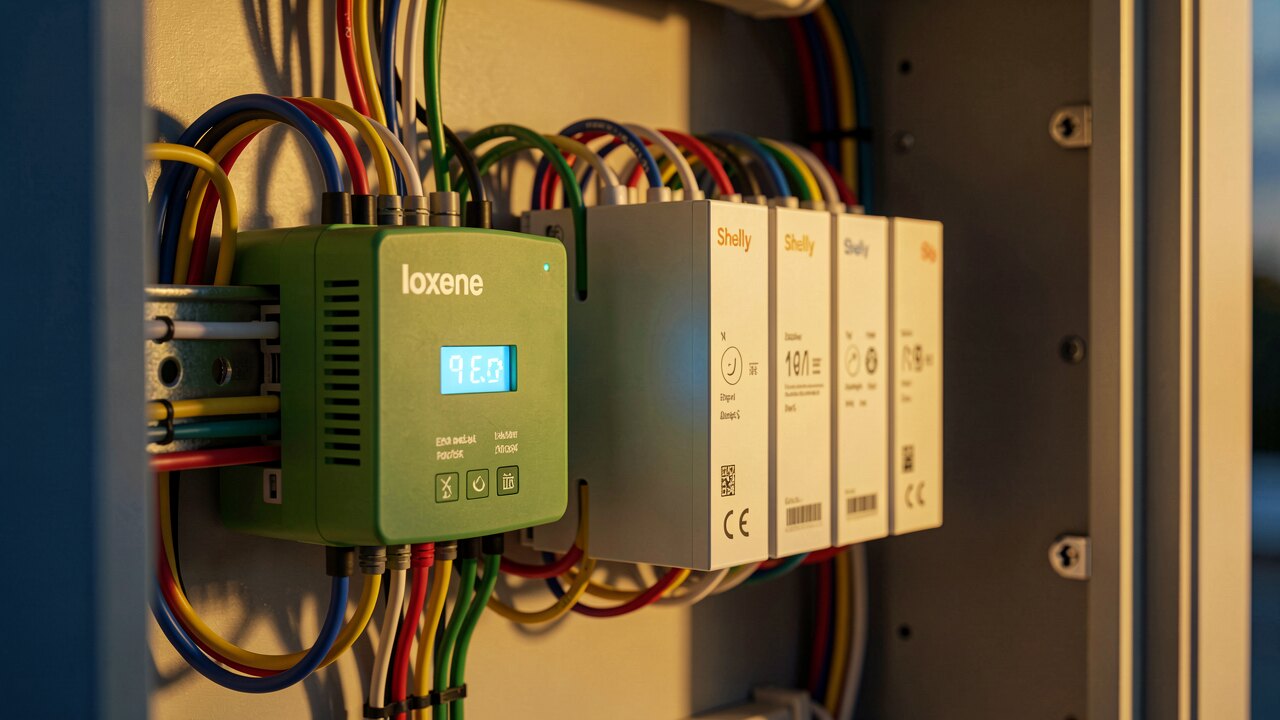
Zero export does not automatically mean "no paperwork." In most countries a grid-connected PV and storage system must still be registered with the grid operator and meet the technical connection rules, even if it never exports. Confirm your local requirements before assuming zero feed-in removes registration duties — it changes the metering situation, not the obligation to notify.
Battery funding varies by country and is often tied to PV, not standalone. Austria's EAG grant of €150/kWh net (max €7,500) only applies to storage installed with a new or expanded PV system (at least 0.5 kWh per kWp), with a 10% bonus for European-made components. Switzerland has no dedicated federal battery subsidy — even its largest grid battery was privately financed. In the Czech Republic (Lex OZE III, since 1 Oct 2025) storage is a licensed activity and can even connect standalone. Always check the current rules for your country.
Choose a zero-export design if your feed-in revenue would be negligible, if your grid operator limits or blocks export, or if you simply want maximum self-consumption with a clean, non-exporting connection. If your market still pays a worthwhile feed-in tariff, a normal grid-tied system with export usually earns more than the small surplus a battery cannot absorb.