Photovoltaik Förderung: How Solar Funding Works in Germany
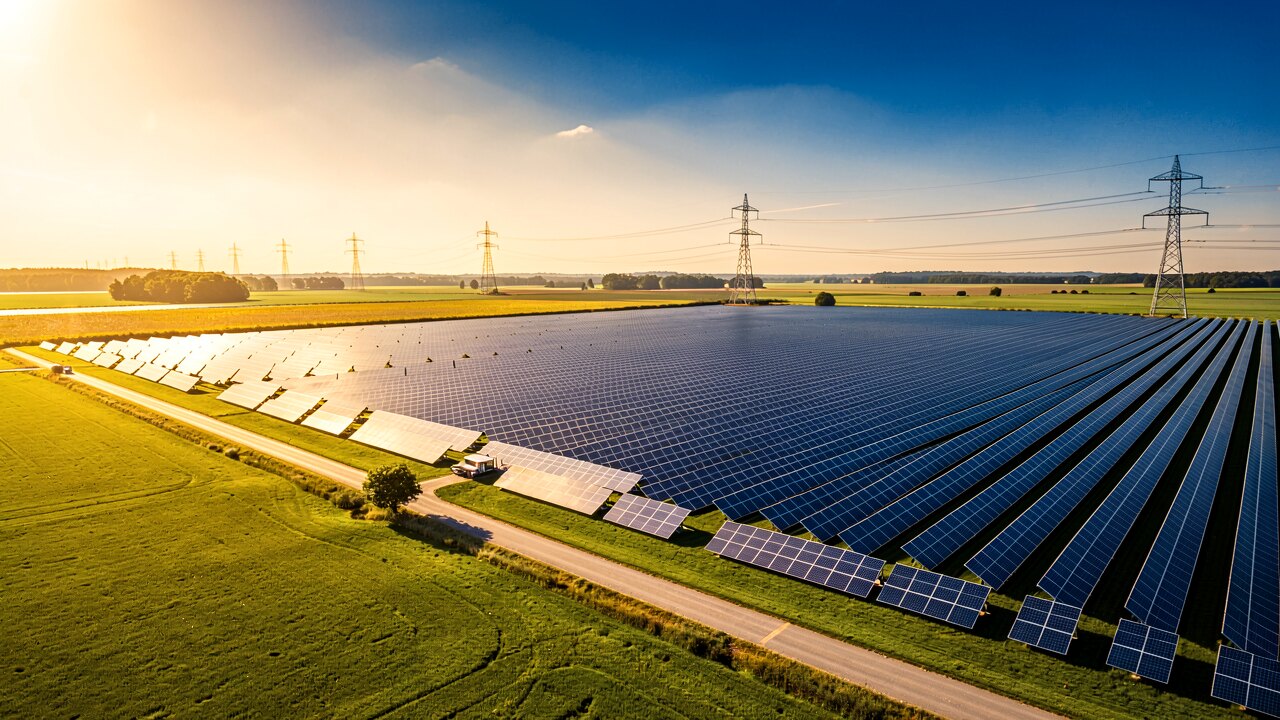
"Photovoltaik Förderung" means the financial support available for solar (PV) systems in Germany. The main pillars are the EEG feed-in tariff for the electricity you export, low-interest KfW loans, 0% VAT on residential systems, and regional grants from states and municipalities.
1) EEG feed-in tariff (Einspeisevergütung): a fixed payment per kilowatt-hour you feed into the grid, guaranteed for 20 years, with rates set by the EEG law and adjusted regularly. 2) KfW low-interest loans (e.g. programme 270 for renewable energy) to finance the system and battery. 3) 0% VAT on the purchase and installation of residential PV systems. 4) Regional grants from federal states, cities or utilities — these vary widely by location.
For most private homes: no. Since 1 January 2023, Germany applies a 0% VAT rate on the supply and installation of PV systems on or near residential buildings (and public/charitable buildings). You pay the net price with no VAT added — there is no application to file, the installer applies it directly on the invoice.
When your system is registered, you receive a fixed payment for every kWh you export to the grid, locked in for 20 years plus the year of commissioning. There are two models: full feed-in (Volleinspeisung) pays a higher rate, while surplus feed-in (Überschusseinspeisung) lets you use your own electricity first and sell the rest at a lower rate. Rates depend on system size and are defined by the EEG.
The state bank KfW offers low-interest loans (notably programme 270, "Erneuerbare Energien – Standard") to finance PV systems and battery storage. You apply through your own bank before you sign the installation contract, not afterwards. A dedicated national battery grant is not currently guaranteed — check the current KfW and regional offers at the time you apply.
Many federal states (Bundesländer), districts and local utilities run their own top-up grants, often for battery storage or balcony solar. These change frequently and funds can run out quickly, so timing matters. Check your state's energy agency and your Netzbetreiber (grid operator) portal for open programmes before you buy.
1) Get an installer quote. 2) Apply for any loan/grant that requires it BEFORE signing or starting work — most funding is lost if you order first. 3) Have the system installed. 4) Register it in the Marktstammdatenregister (MaStR) and with your grid operator to activate the feed-in tariff. Missing the registration step delays or reduces your payments.