Power Load Peaks in the Household — Explained
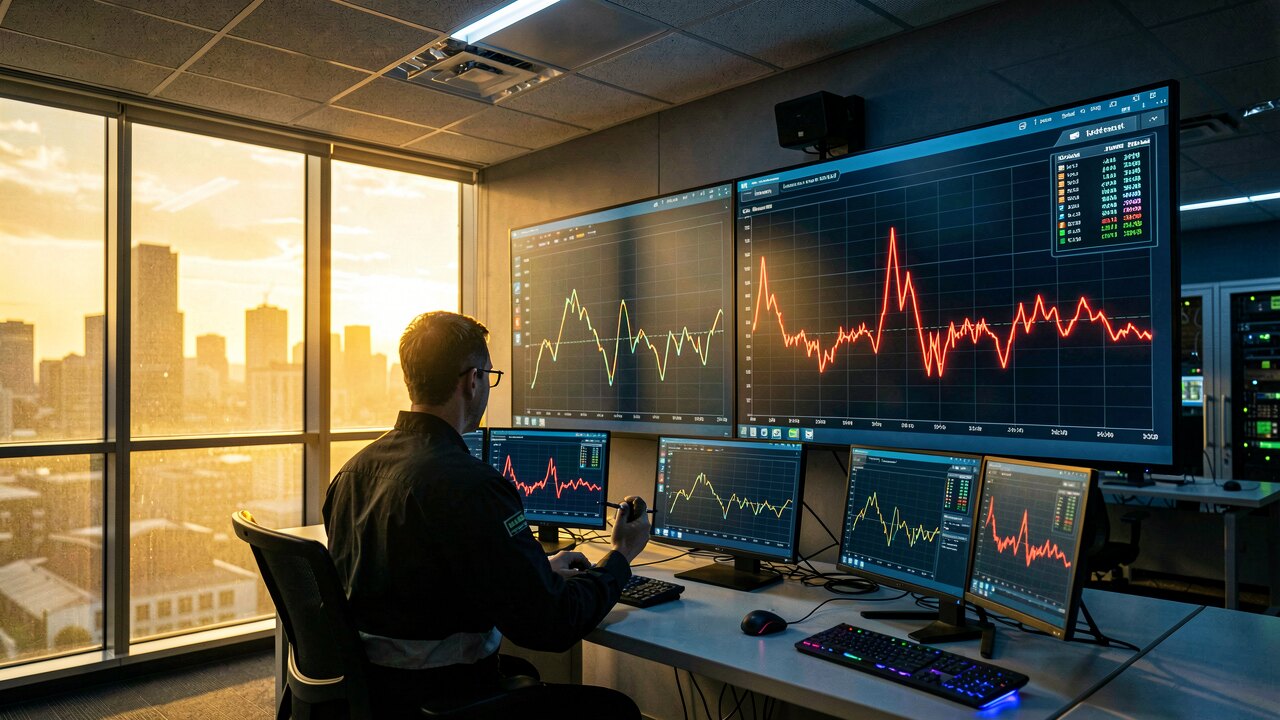
A load peak is the highest short burst of power your home draws, measured by your meter as a 15-minute average. In a normal household you pay per kilowatt-hour, not per peak — so a single spike usually does not set your price the way it does for a business.
Your meter does not record the exact instant you switch on the oven. It averages your power draw over each 15-minute window. The single highest of those quarter-hour averages is your load peak. It happens whenever several high-power devices run at once — oven, kettle, EV charger, heat pump and instant water heater together.
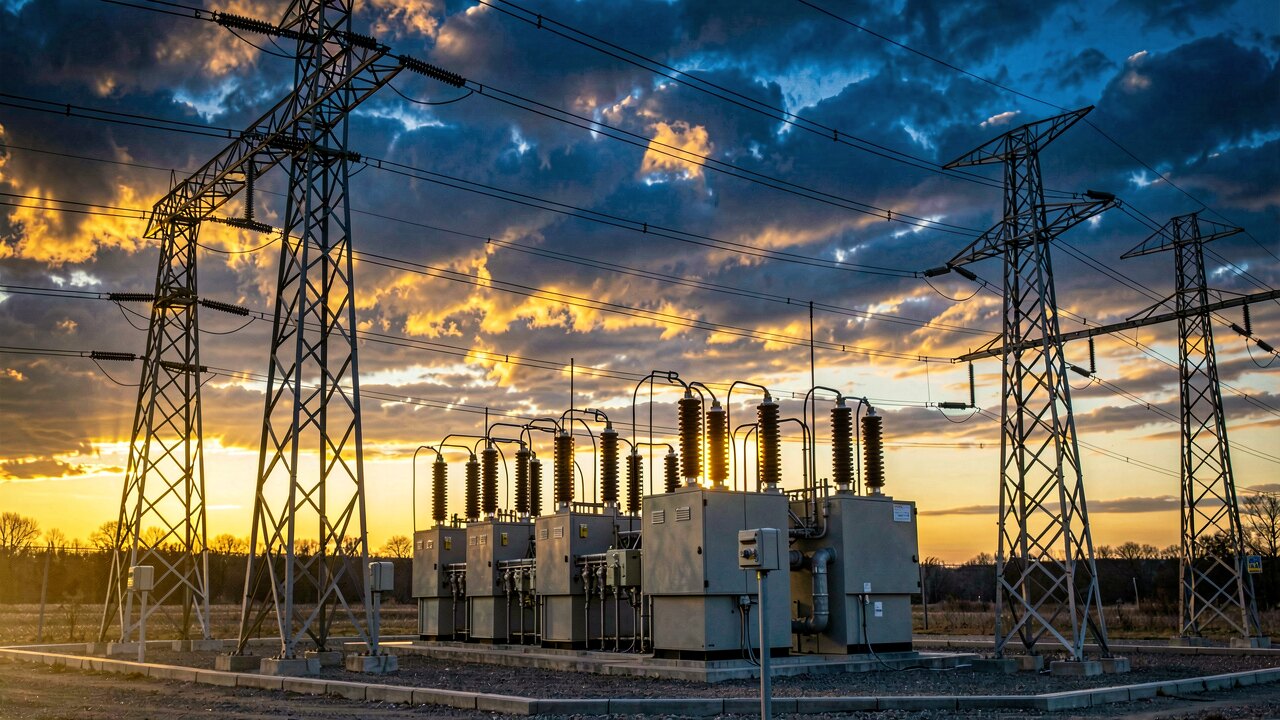
Ordinary households are billed on a standard load profile: you pay for kilowatt-hours consumed, plus fixed basic and grid fees. There is no separate demand charge on your peak. The costly demand charge (Leistungspreis) applies to commercial and industrial sites with registered power metering (RLM), where the single worst quarter-hour of the year sets the price for the whole year.
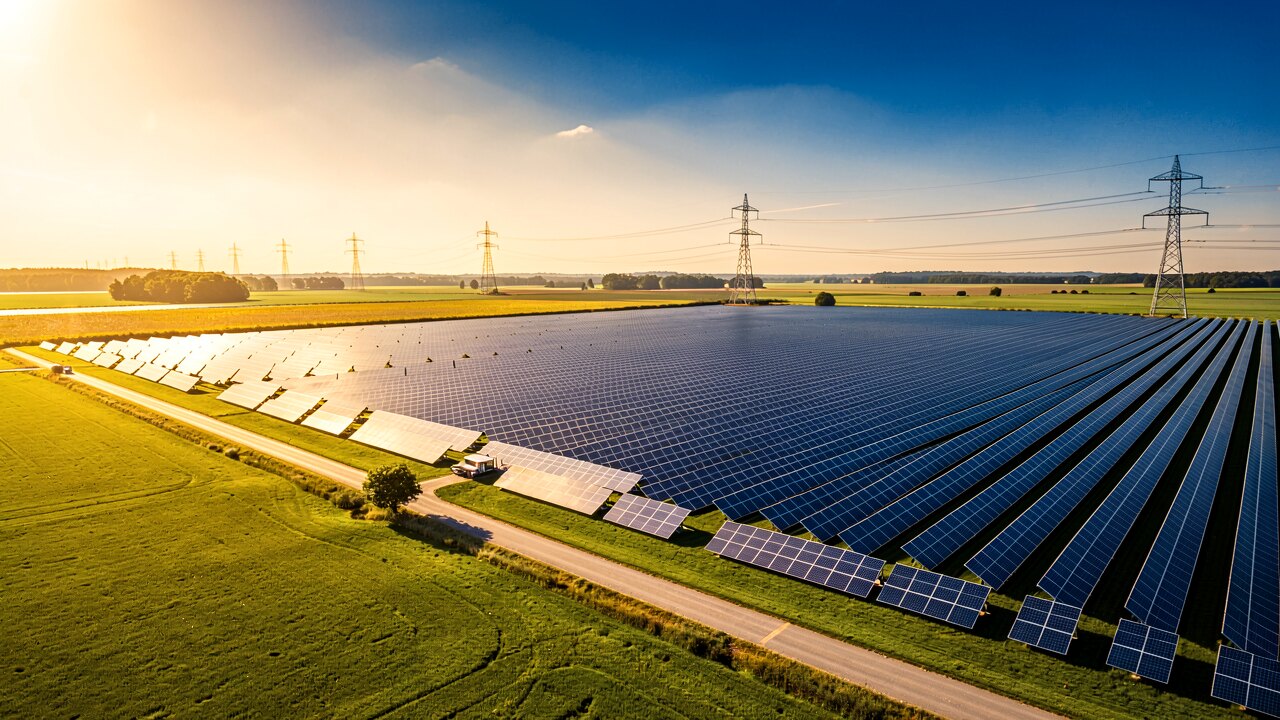
Three cases: (1) your main house fuse — if too many big loads run at once you trip the breaker; (2) dynamic, time-variable electricity tariffs, where power is dearer at peak hours, so shifting a peak into a cheap hour saves money; (3) controllable loads like heat pumps and wallboxes, which in Germany can receive reduced grid fees in return for being throttled at grid peak times (§14a EnWG).
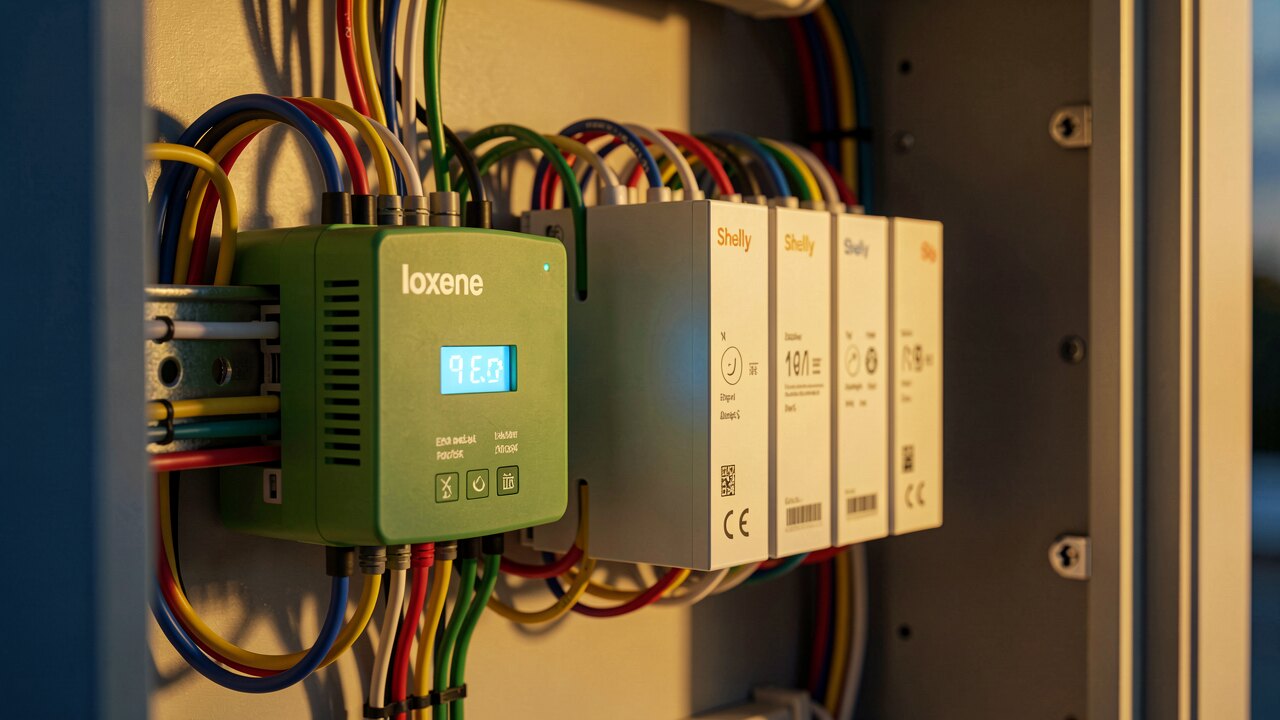
Do not run your biggest consumers simultaneously. Stagger the dishwasher, washing machine and oven; use timers to move loads into the night or into solar hours. Charge an EV at a lower current or overnight instead of at full power during dinner. Each of these lowers your highest quarter-hour without changing what you actually get done.
A home battery is the cleanest peak-flattener: it covers short high-power bursts from stored energy instead of pulling everything from the grid at once. Paired with PV, self-consumption rises and your grid draw stays flatter — which also helps if you later move to a dynamic tariff.
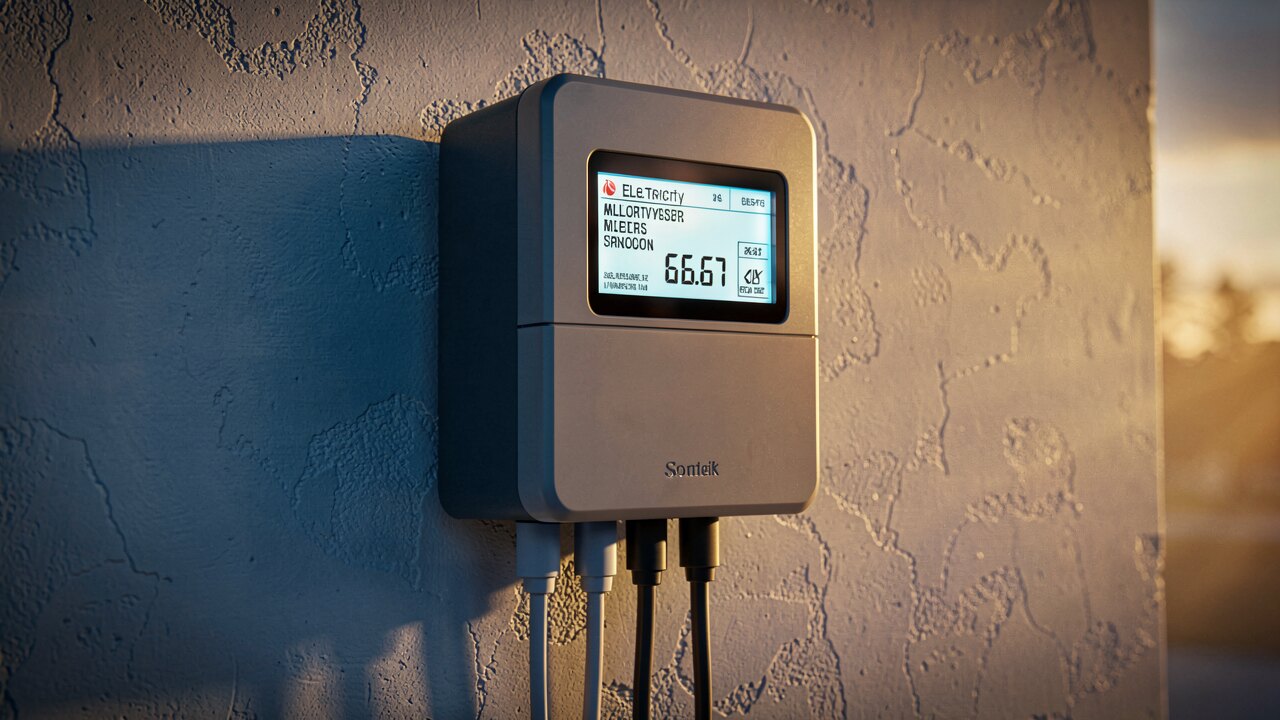
You cannot manage what you cannot see. A submeter or energy monitor logging in short intervals shows when and how high your peaks are, and which appliance caused them. That is exactly what the Stromfee energy diary does — it makes the quarter-hour pattern visible so you know which loads to shift.