Prosumer Feed-In Forecasting with AI in Germany
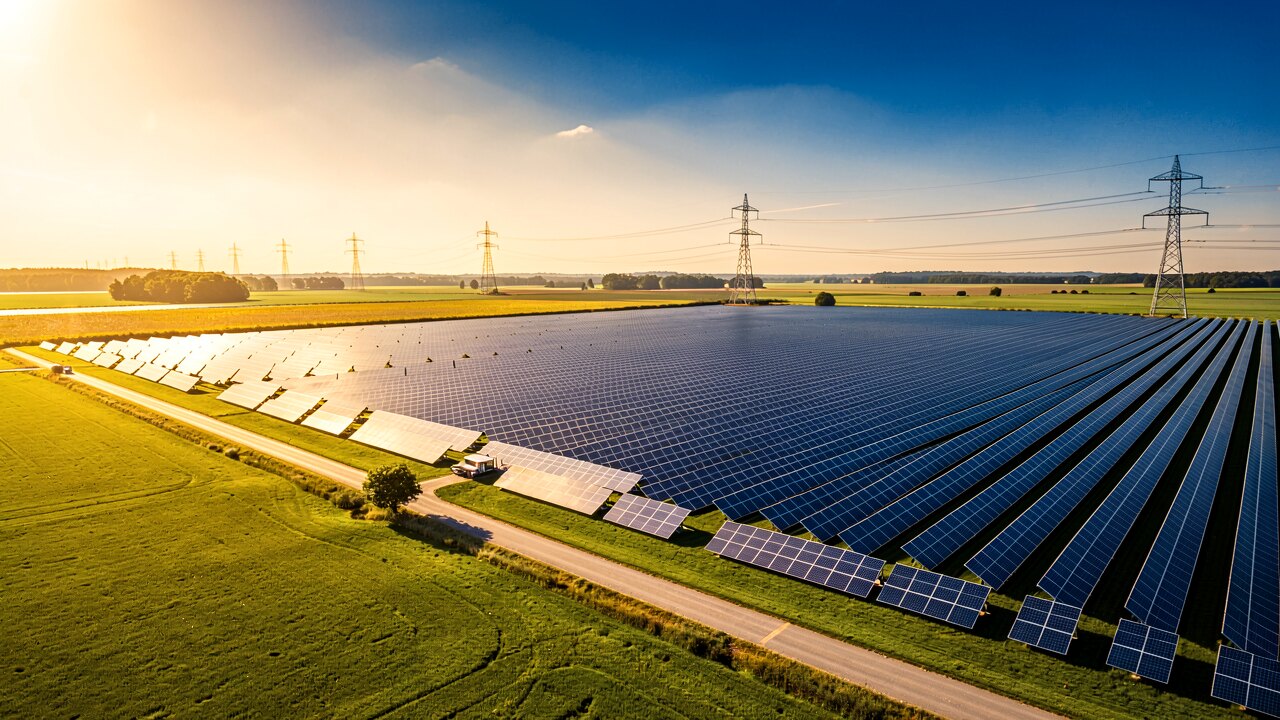
A prosumer feed-in forecast predicts how much surplus power your PV or CHP system will push into the grid over the coming hours or days. AI models do this by learning from your own metered generation, load, and weather data — the more site-specific the training data, the tighter the forecast.
It outputs expected surplus (generation minus self-consumption) per interval — typically 15-minute or hourly steps for the next 24–72 hours. Concretely: a curve of kW you'll feed into the grid, plus a confidence band. That lets you time battery charging, flexible loads, or curtailment before the surplus arrives, instead of reacting after the meter already recorded it.
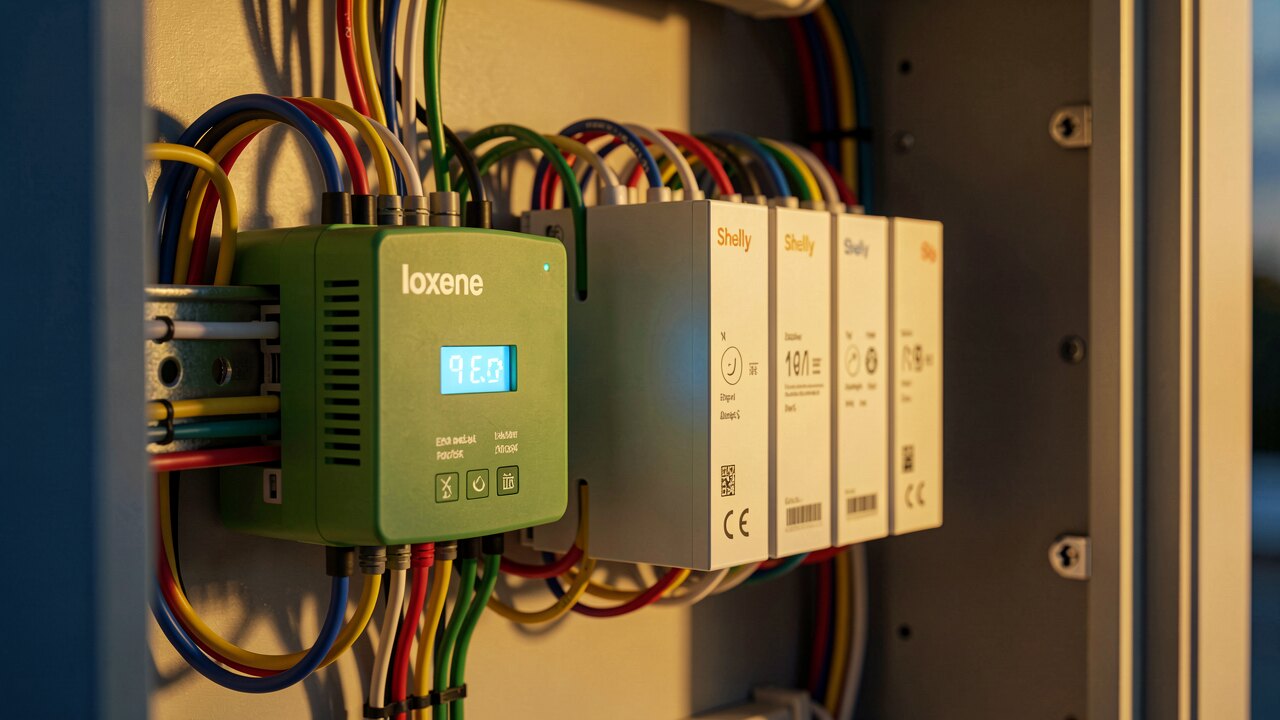
Three data streams matter most: (1) your historical generation and load at high resolution, (2) numerical weather prediction — irradiance (GHI), cloud cover, temperature — and (3) calendar/behaviour patterns (weekday vs. weekend, holidays). PV feed-in is dominated by irradiance; CHP and biogas feed-in by heat demand and dispatch logic. Without your own sub-metered data, a model falls back to generic profiles and the error widens sharply.
Day-ahead PV forecasts are strong on clear, stable weather and weakest on partly-cloudy days, when irradiance swings minute to minute. Treat any single-number 'accuracy' claim with caution: real error depends on horizon (next hour is far more reliable than 48 hours out), season, and site. A forecast is a probability, not a promise — use the confidence band, not just the central line.
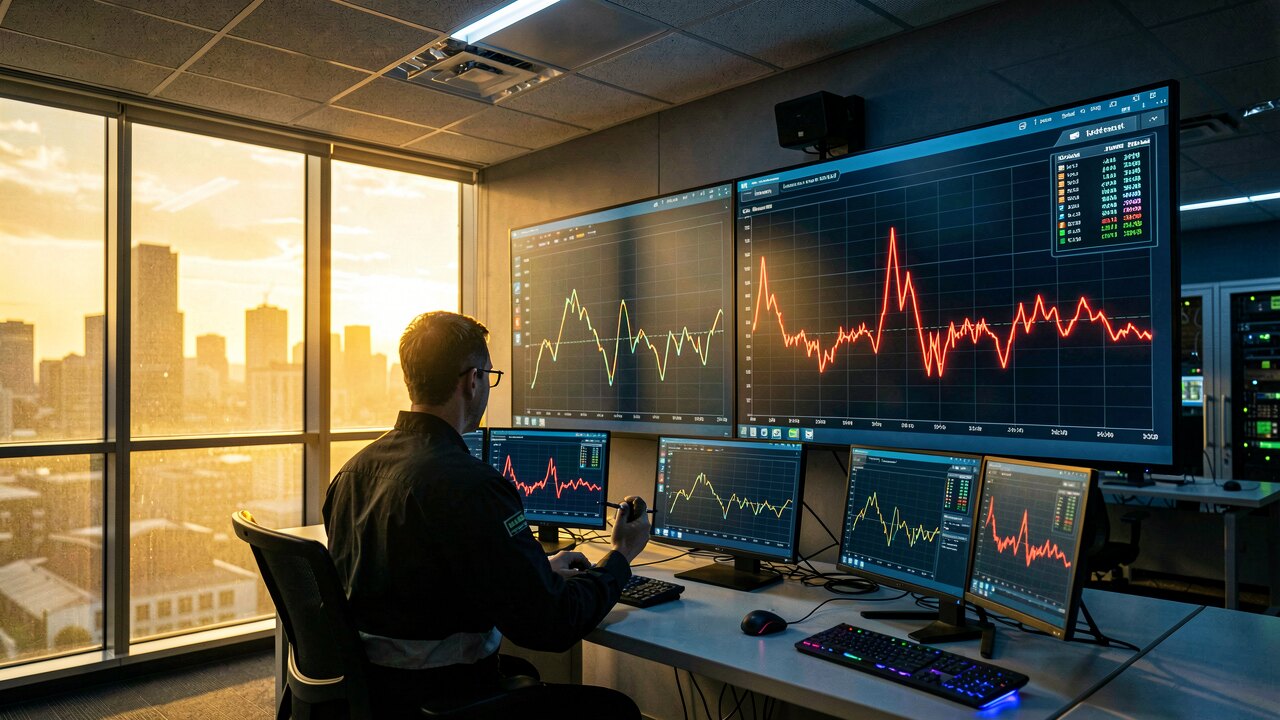
Grid operators increasingly want predictable feed-in, and mechanisms like curtailment of PV during negative prices or the 60% feed-in cap reward operators who can shift surplus rather than spill it. A reliable feed-in forecast is the precondition for charging a battery ahead of a surplus peak or shifting flexible loads — turning would-be curtailed energy into stored or self-used energy.
Start by logging your own generation and load at 15-minute resolution (a submeter such as a Shelly 3EM covers this cheaply for smaller sites; larger PV/CHP plants use their existing meters). Feed that history plus a weather API into the model. The forecast improves over the first weeks as it learns your site's real behaviour — a cold-start model using only generic profiles is the fallback, not the goal.
Don't confuse a backtested forecast with a proven live one — a model that fits historical data can still drift in production. Don't forecast generation and ignore self-consumption; feed-in is the difference of the two, so a load error becomes a feed-in error. And don't rely on a national weather grid point far from your roof — local irradiance can differ from the regional average.