PV Grid Integration: What It Means and How It Works
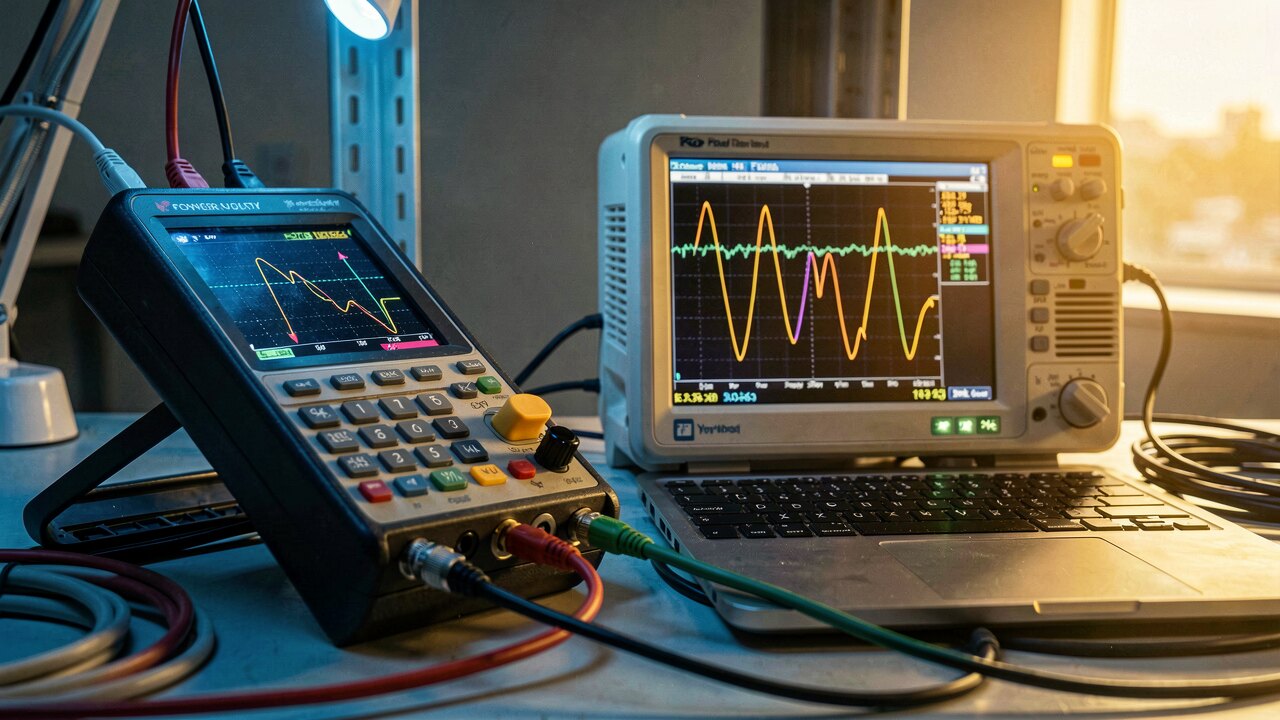
Grid integration (German: "Netzintegration") of PV means everything that has to happen so a solar plant can feed into the public grid without disturbing it: a defined connection point, the right voltage level, inverters that support voltage and frequency, and remote control by the grid operator. In Germany the technical rules are set by the connection guidelines VDE-AR-N 4105 (low voltage) and VDE-AR-N 4110 (medium voltage), plus the local grid operator's TAB.
1) A grid connection point (Netzverknüpfungspunkt) assigned by the distribution system operator. 2) A voltage level matching the plant size — small roof systems at 230/400 V low voltage, larger parks at medium voltage (typically 10 or 20 kV) via their own transformer station. 3) Grid-supporting inverter behaviour: staying connected through voltage and frequency deviations, and supplying reactive power on demand. 4) Metering that is compliant with calibration law, and for larger plants a smart meter gateway with a control box. 5) Remote controllability so the operator can curtail the plant when the grid is congested. Nothing goes live before the operator has signed off the connection request and the commissioning protocol.
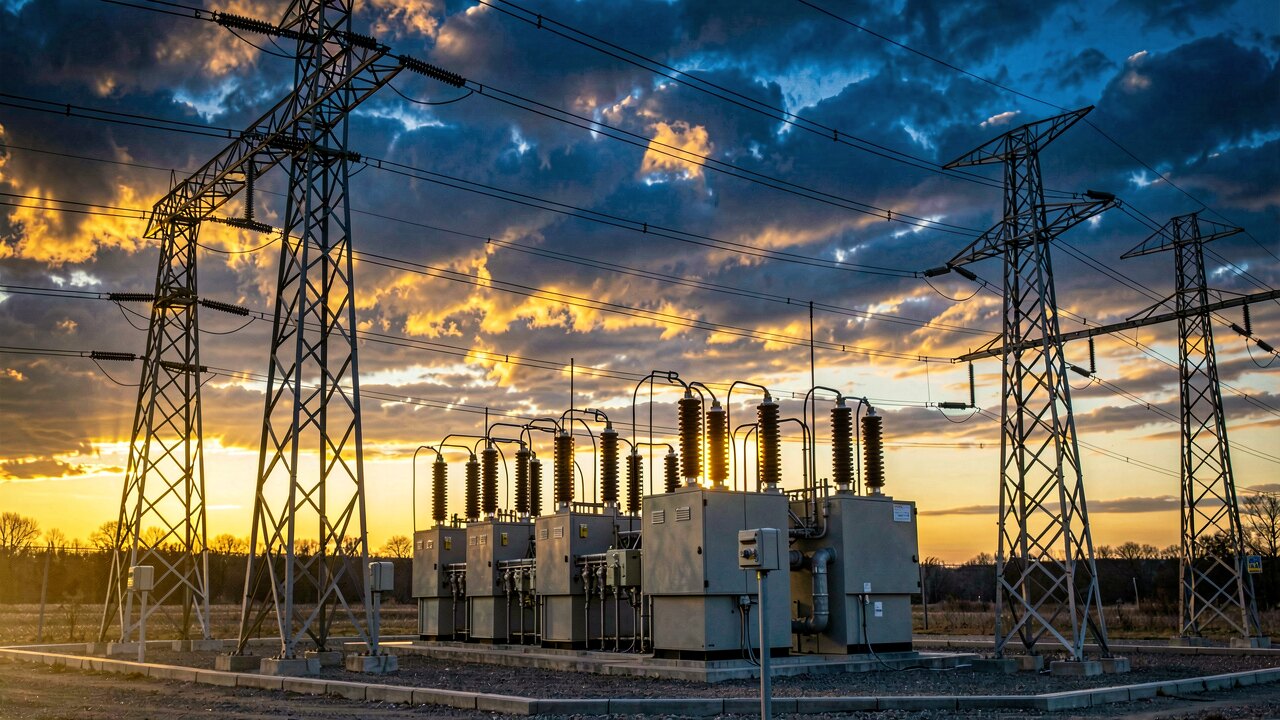
You do not choose the voltage level — the grid operator does, based on the plant's apparent power and the capacity available in the local grid. As a rule of thumb: small rooftop systems connect to the low-voltage grid under VDE-AR-N 4105; larger commercial and open-field plants connect to medium voltage under VDE-AR-N 4110, which requires an in-house transformer station and a plant certificate (Anlagenzertifikat) plus a conformity declaration before final commissioning. Ask the operator early which level and which certification path applies — this single answer drives most of your budget and your timeline.
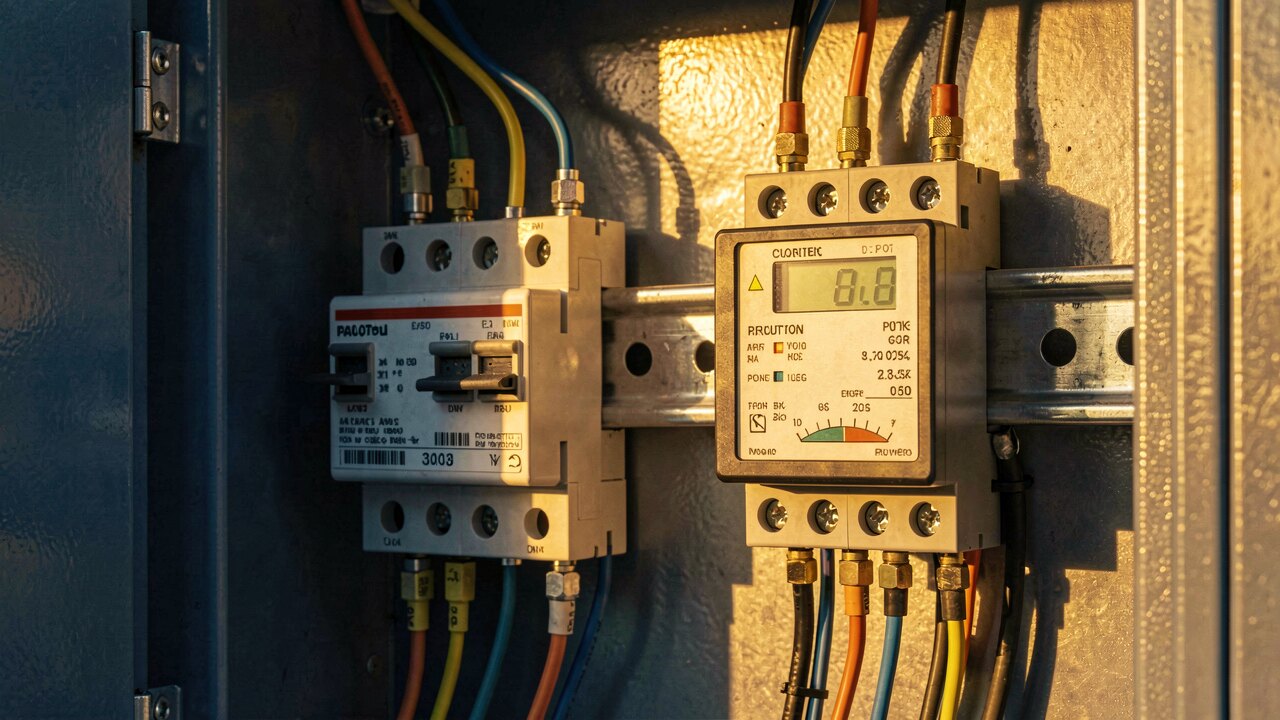
Your inverters must not only push active power (kW) into the grid, they must also handle reactive power (kvar) to keep voltage within limits. The operator prescribes one of three modes: a fixed power factor (a value such as cos φ = 0.95 is common for larger plants), a characteristic cos φ(P) that varies with output, or a voltage-dependent characteristic Q(U). Because apparent power follows S² = P² + Q², reactive power provision consumes inverter capacity — the same unit cannot deliver full active power and large reactive power at once. Check the specified mode against the inverter setting on site: mismatches here are a frequent and invisible cause of undersupply notices.

Every kilowatt fed in raises the voltage at the connection point. Under EN 50160 the grid voltage must stay within ±10 % of the nominal 230 V for the large majority of ten-minute averages, and grid operators allocate only a fraction of that band to generation plants. That budget — not the roof area — is usually what limits how much PV a given feeder can take. Where the budget is exhausted, the answer is a reinforced cable, a connection at a higher voltage level, a lower feed-in limit, or reactive power support from your inverters.
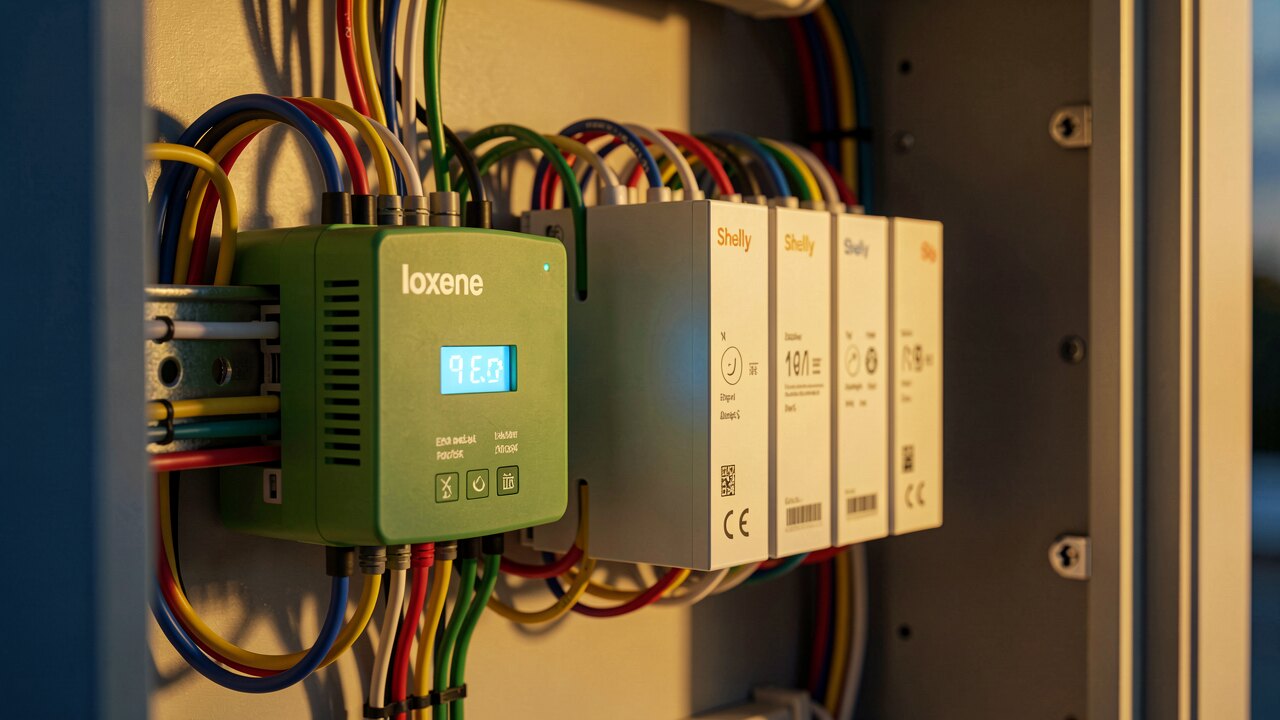
Grid integration also means accepting operational control. In Germany, plants from 100 kW are part of redispatch 2.0: the grid operator can reduce feed-in to relieve congestion, and the plant has to deliver forecast and live data for that process. On top of that, market-driven curtailment during negative price hours affects remuneration under the EEG. Plan for it: log every curtailment command and every actual output value, because compensation and any claim you make later depend on that evidence, not on your recollection.
A storage system on the same connection point shifts the problem from "how much can I feed in at noon" to "when do I feed in". A battery sized in the order of a few hundred kWh per megawatt of PV can shave the midday peak, keep the plant inside a reduced feed-in limit, and move energy into higher-price hours. Technically it is a second generation unit at the same connection point, so it needs its own registration and its own grid operator sign-off — talk about it during the connection request, not after.