Reactive Power in the Power Grid, Explained
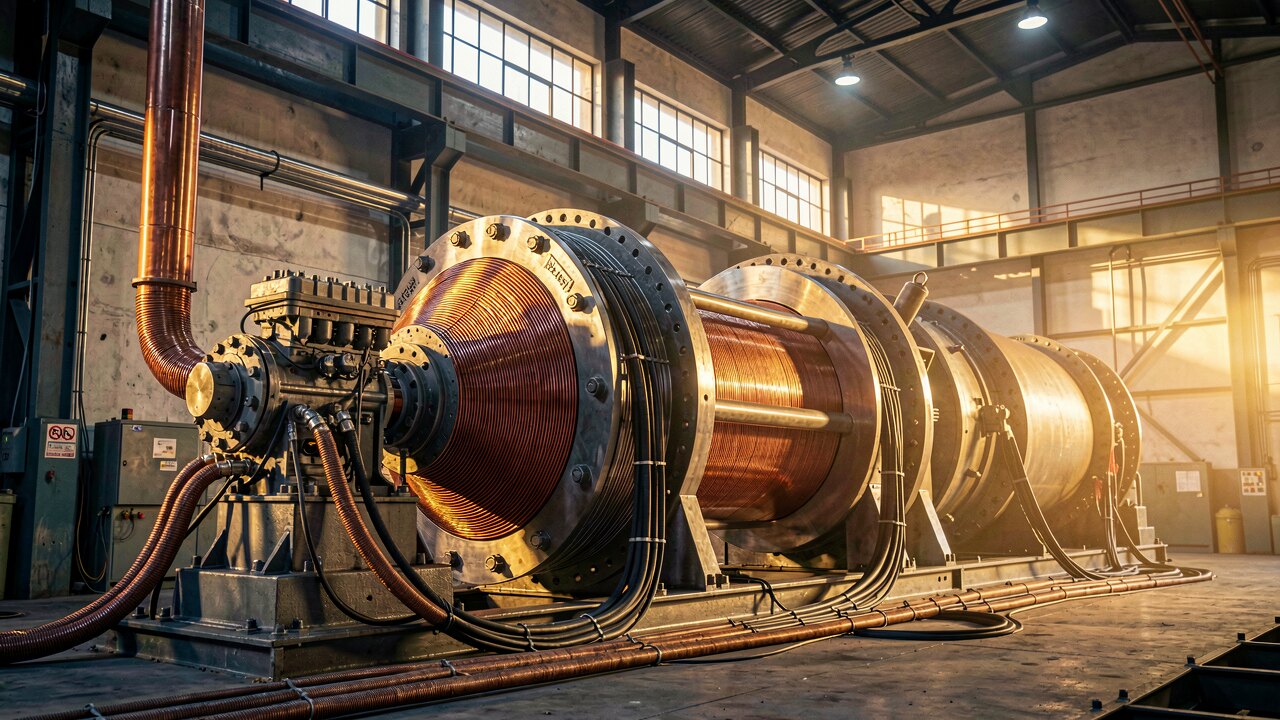
Reactive power is the part of AC electrical power that flows back and forth between generators and loads without doing usable work. In the grid it is essential for holding voltage stable and running motors and transformers, but too much of it overloads lines and raises costs.
In an alternating-current network, total (apparent) power splits into two parts: active power, which does real work, and reactive power, which oscillates between source and load without being consumed. Reactive power builds the magnetic fields that motors, transformers and other inductive equipment need to operate. It is a genuine component of the power flowing through your lines even though it delivers no net energy.
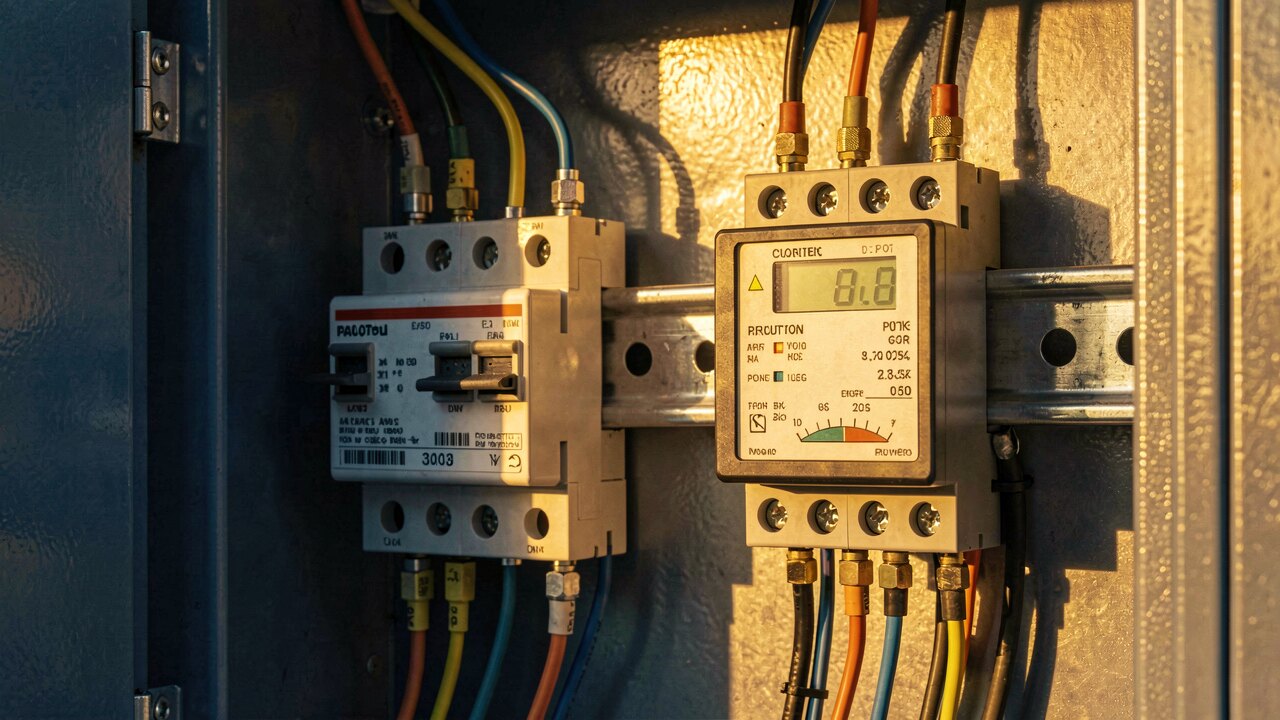
A poor power factor (cos φ) means a large share of reactive power is flowing alongside your active power. That extra current loads the distribution grid, causes losses in cables and transformers, and can trigger reactive-power charges from your grid operator. Keeping cos φ close to 1.0 means almost all the current you draw does useful work.
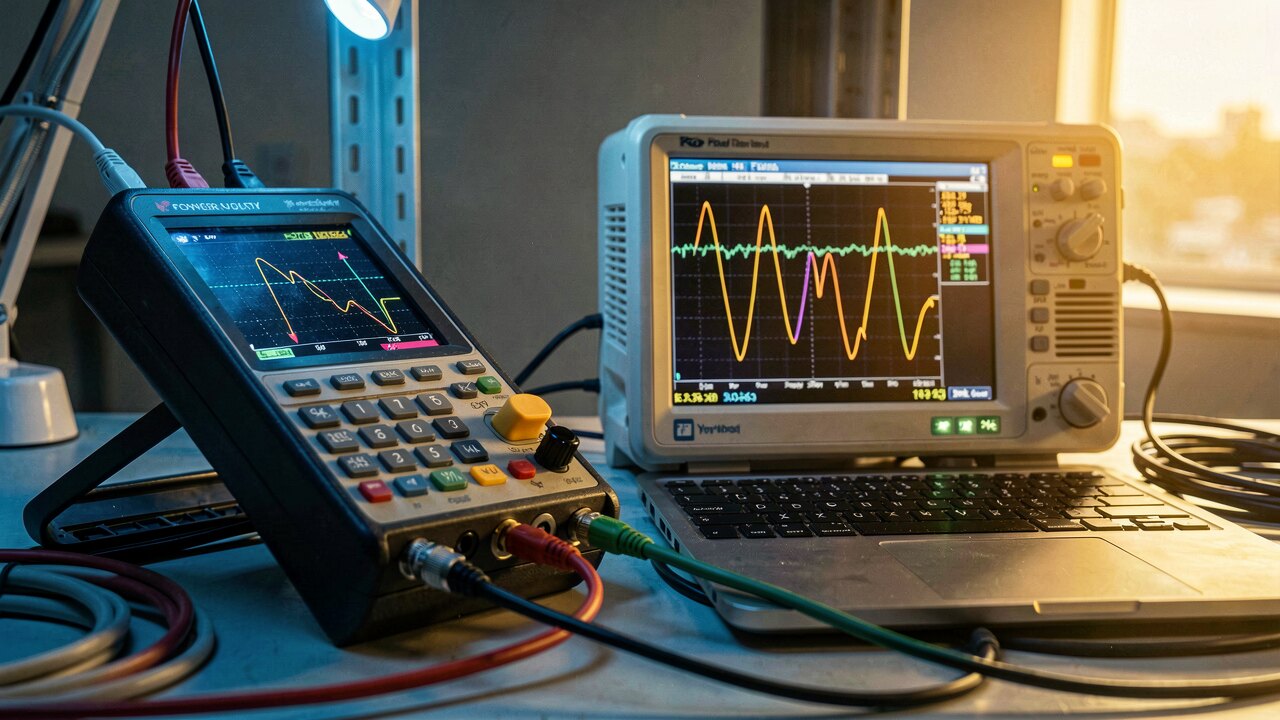
Cos φ is the ratio of active power to apparent power. At the grid feed-in point a value of roughly 0.9 to 1.0 is typical. Generators with an automatic voltage regulator (AVR) adjust their excitation to set the desired cos φ, either supplying or absorbing reactive power as the grid situation requires.

Yes. A synchronous generator — for example in a combined heat and power (CHP/BHKW) unit — can provide reactive power through its excitation via the AVR, and its cos φ can be dialled in. Grid-serving reactive power of this kind may be requested by the grid operator and is sometimes compensated, turning it from a cost driver into a network service.

Because reactive power adds to the current on every line without delivering energy, managing it is central to efficient transmission. Reducing unnecessary reactive flow frees up line capacity, cuts losses, and can lower grid fees. Compensation equipment and correctly set generators keep reactive power local instead of dragging it across the whole network.