Smart Meters and Solar Panels: How They Work Together
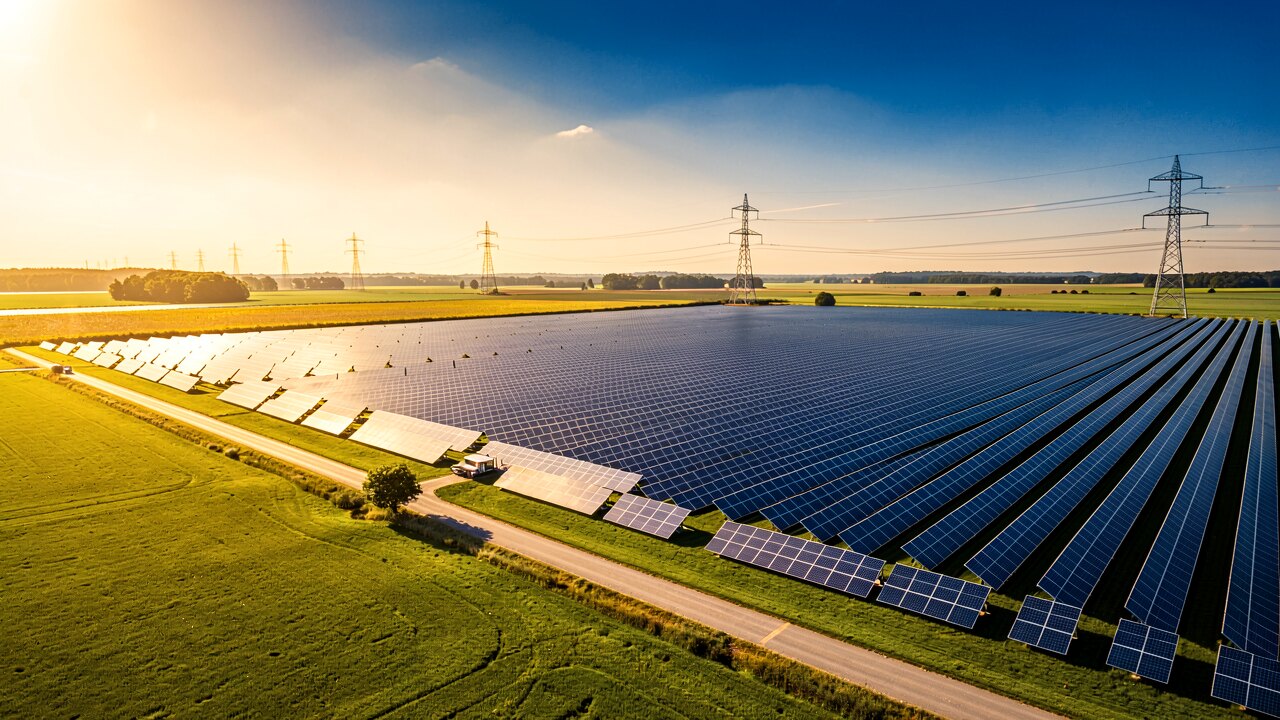
A smart meter measures the electricity you draw from the grid and the surplus solar power you export back to it, sending both readings to your supplier automatically. If you have solar panels, this two-way measurement is what makes accurate self-consumption tracking and export payments possible.
To be paid for the solar electricity you export, your supply point needs a meter that records export separately from import. A standard single-direction meter cannot see exported energy. Many suppliers now require a smart or export-capable meter before they enrol a solar system for export tariffs, though exact rules vary by country and network operator — check with your own supplier and grid operator.
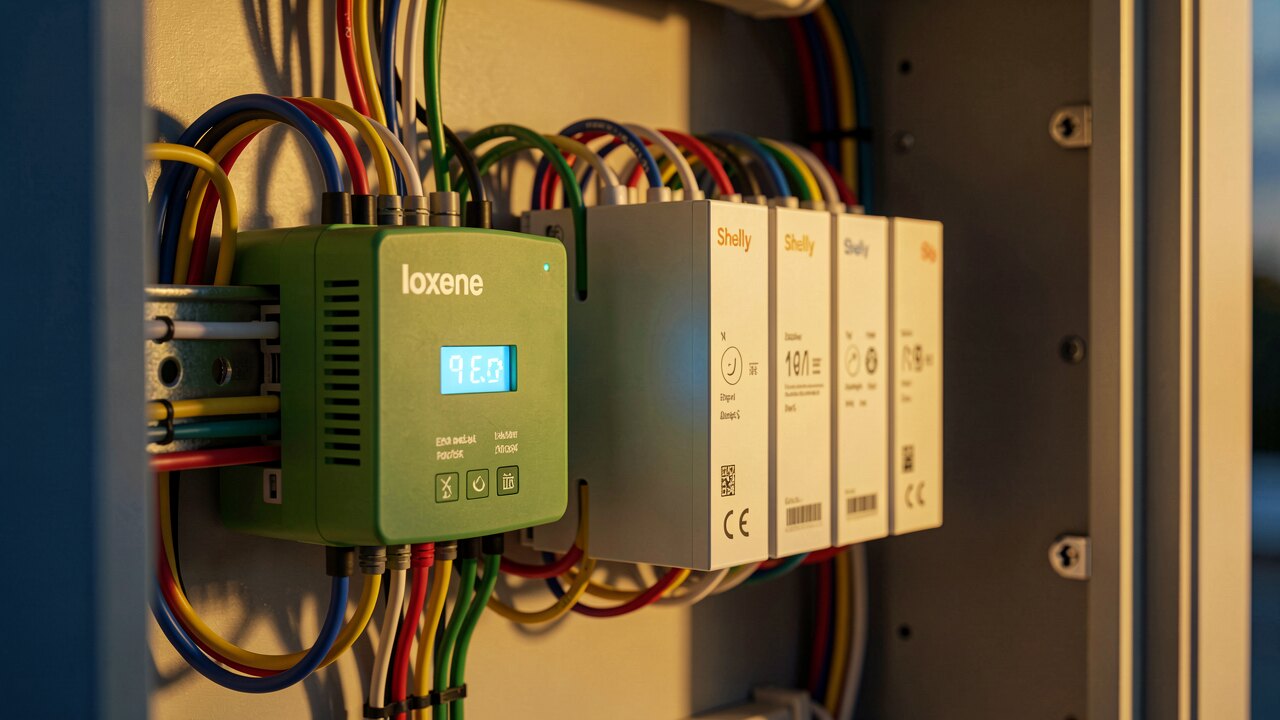
A bidirectional smart meter records two things: the energy you import from the grid when your panels don't cover your load, and the surplus you export when they produce more than you use. It does not measure what you consume directly from your panels — that self-used solar never passes through the meter. To see total generation and self-consumption you need the inverter's own metering or a separate sub-meter.
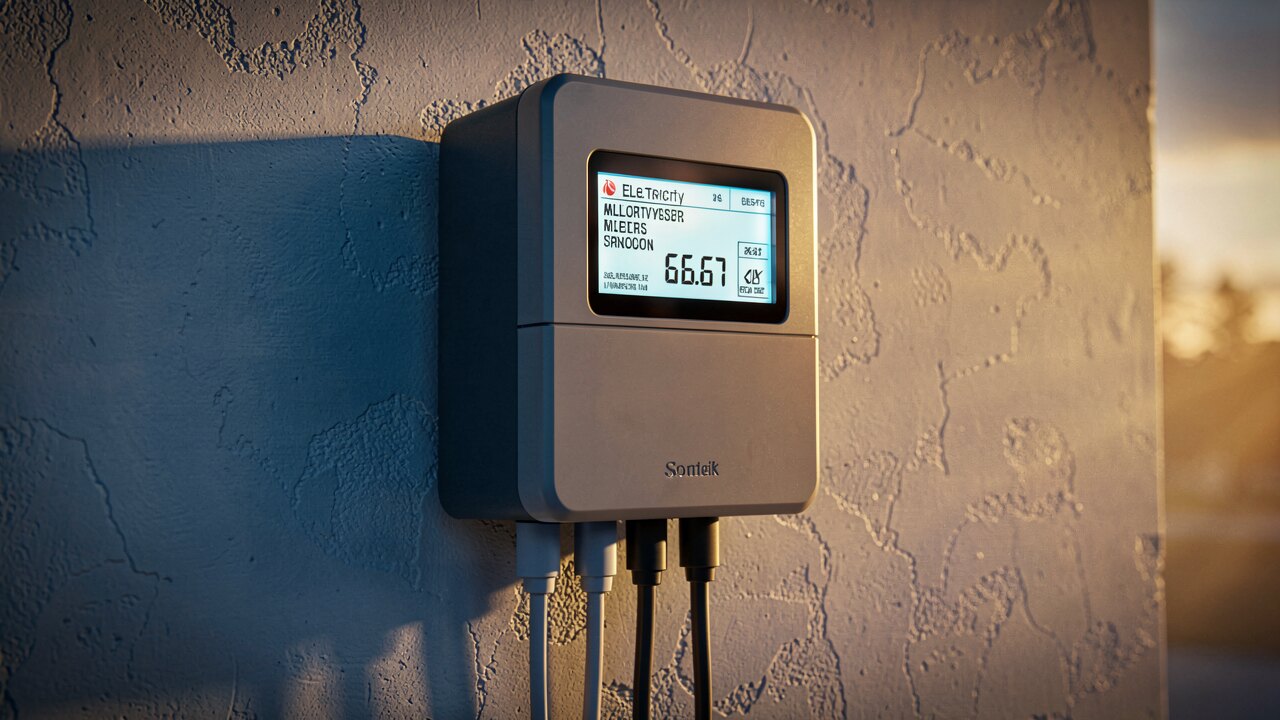
Your bill is driven by imported kWh; your export earnings by exported kWh. The gap between what your panels generate and what you export is your self-consumption — the most valuable kWh, because it offsets electricity you'd otherwise buy at the full retail price. Maximising self-consumption (shifting loads to daylight hours, adding a battery) usually saves more than the export rate pays.
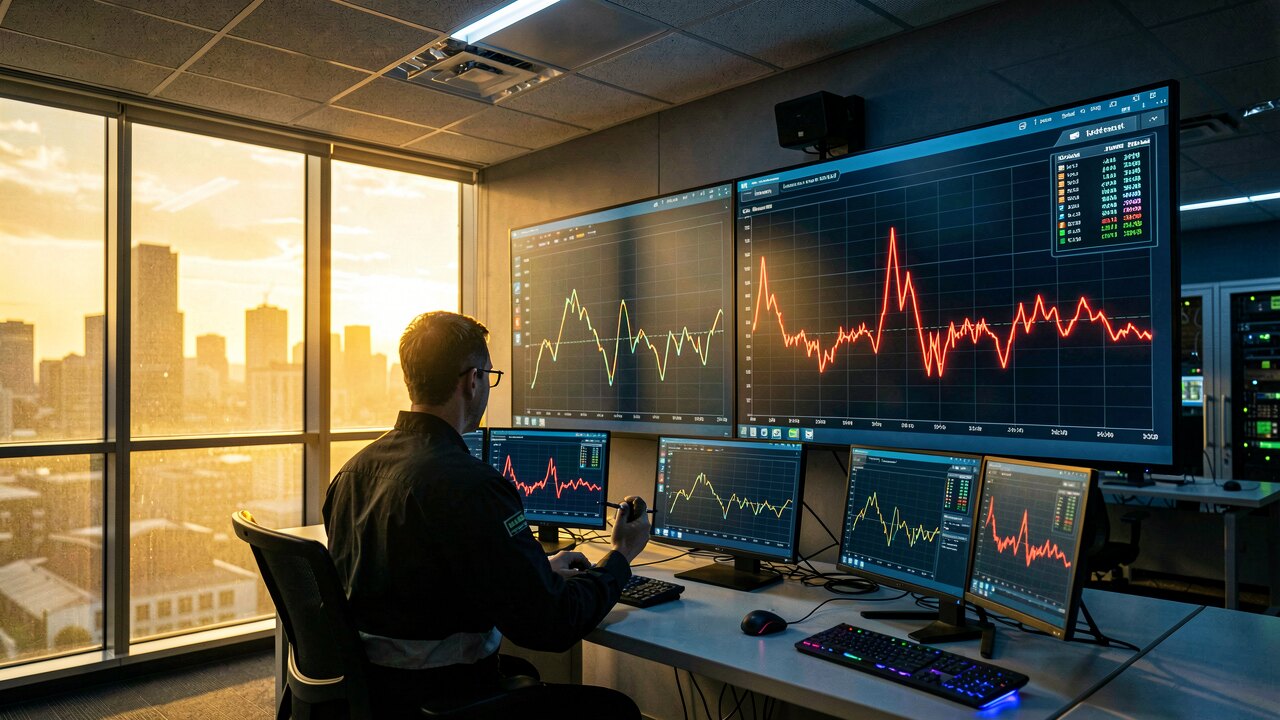
The smart meter is the billing device your supplier reads; it is the source of truth for import and export. The inverter shows generation and often live self-use, but it is not a billing instrument. For transparency in a home or multi-unit building, a sub-meter (for example a three-phase energy meter) can measure individual circuits or flats, but it does not replace the certified billing meter.
Have the meter installed or upgraded before or at commissioning so export is recorded from day one. Confirm the meter is configured for bidirectional (import/export) reading, that your solar system is registered with the grid operator, and that you are on an export tariff. Keep the inverter's monitoring active so you can cross-check generation against metered export.
Export not showing up usually means the meter isn't set to record export, or the solar system isn't yet registered with the supplier. Readings that look wrong often trace back to a meter installed the wrong way round or CT clamps on the wrong phase. If numbers don't add up, verify meter configuration and registration before assuming a fault in the panels or inverter.