Solar Battery Storage Lifespan: How Long Does It Really Last?
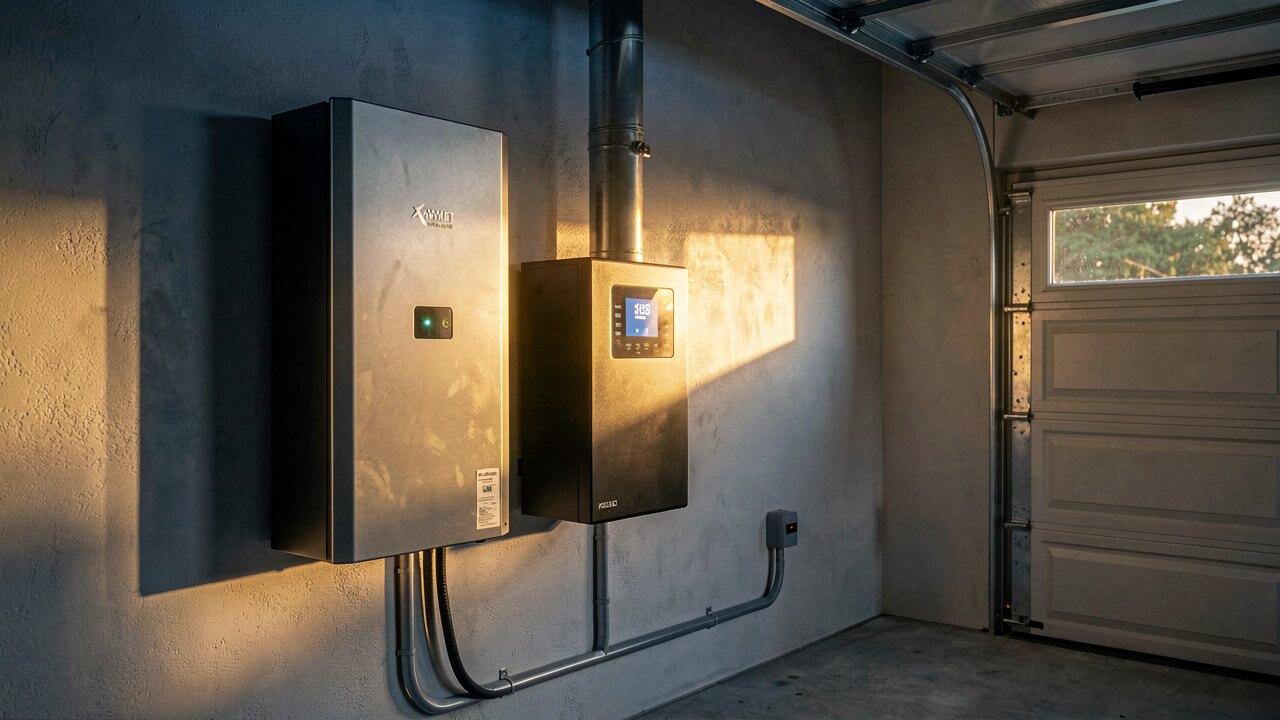
A modern lithium-iron-phosphate (LFP) home battery typically lasts 10 to 15 years before its usable capacity drops far enough to matter. Two numbers define that end point: cycle count and calendar age — whichever runs out first.
Manufacturers of LFP home storage typically warrant 10 years or a fixed cycle count, whichever comes first, and guarantee around 70-80% of original capacity at that point. A battery cycled once per day — the normal pattern for a solar household — reaches roughly 3,650 cycles in ten years, which is well inside the cycle rating of most LFP products. That is why calendar ageing, not cycling, usually decides when a solar battery retires. Check your own datasheet: the warranted cycle count and the end-of-warranty capacity figure are the two numbers that define your battery's contractual lifespan.
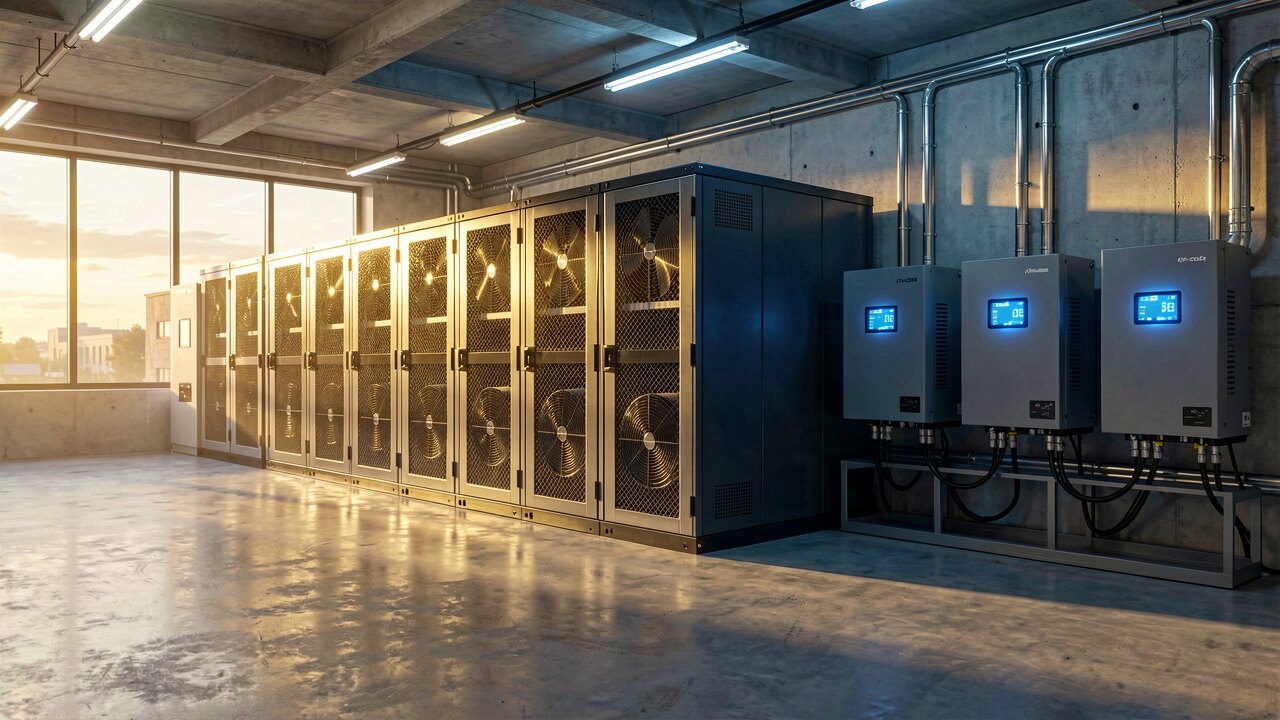
A battery at end of warranty does not stop working. It has simply lost capacity: a 10 kWh unit guaranteed to 80% will still store about 8 kWh, and it keeps running. End of life is an economic judgement, not a technical cliff — you replace it when the shrinking capacity no longer covers enough of your evening consumption to justify keeping it. Many owners run batteries well past the warranty period. Capacity fade is also not linear: it is fastest in the first months, then flattens out for years.

Temperature is the biggest lever: heat accelerates chemical degradation, so a battery in an unventilated attic or a sun-facing garage ages measurably faster than one in a cool basement. Time at high state of charge is second — a cell held at 100% for long stretches degrades faster than one resting at a mid-range charge. Depth of discharge matters third: shallow cycles are gentler than deep ones. High charge and discharge rates (C-rate) come fourth, which is why an oversized battery relative to your inverter often outlives a small one worked hard every day.
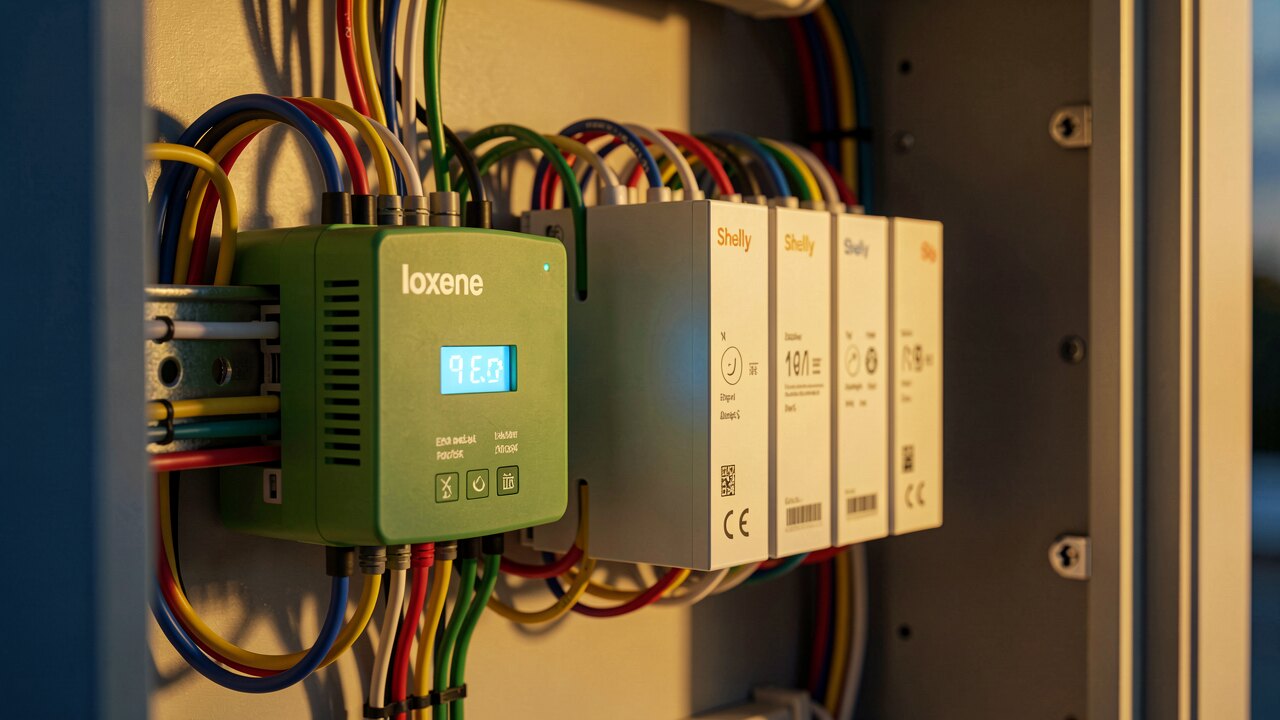
Lithium-iron-phosphate (LFP) dominates new home and grid-scale storage, and for good reason: it tolerates more cycles than nickel-manganese-cobalt (NMC), handles full charge better, and is thermally more stable. NMC packs more energy into less space and weight — which is why it stayed popular in vehicles — but for a stationary battery, where a few extra centimetres of wall space cost nothing, LFP's longevity wins. If you are buying now, most of what is on offer for home storage is LFP. If you are assessing an older installation, check the datasheet: an NMC unit from the mid-2010s is a different ageing story.
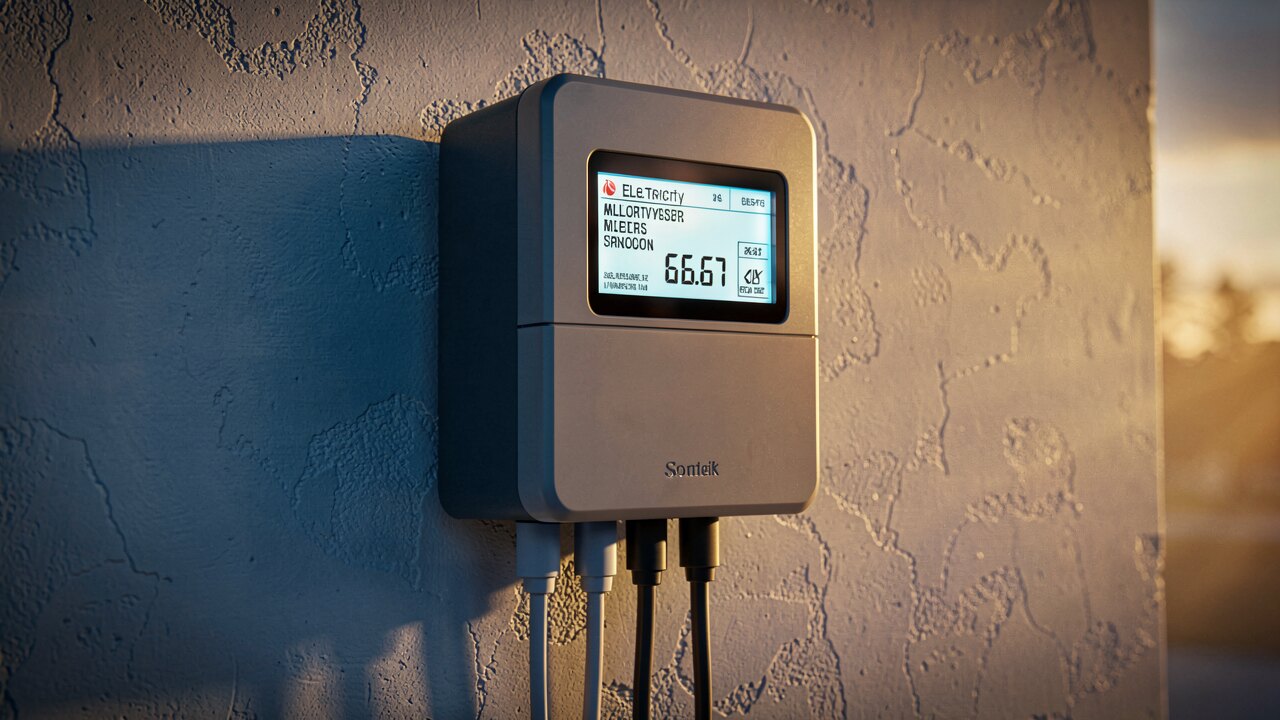
Ask your system for its State of Health (SoH) — the ratio of current usable capacity to original capacity. Most battery management systems report it, though vendor portals often hide it behind a summary view. Compare it against your age and cycle count: a five-year-old LFP battery cycled daily should still be comfortably above 90% SoH. If it is not, you have a real conversation to have with your installer while the warranty is live. Beware that SoH is a BMS estimate, not a measurement — the honest check is a full charge-discharge under known conditions, reading energy at the meter rather than trusting the portal. At Stromfee we read values straight out of the plant's Modbus registers for exactly this reason: the register tells you what the cell is doing; the portal tells you what the vendor wants you to see.
Install it somewhere cool and ventilated, not in direct sun or an uninsulated attic. Avoid parking the battery at 100% for days on end — if your system offers a charge ceiling for periods when you are away, use it. Do not chase maximum depth of discharge unless you need the capacity; a reserve floor costs you little and spares the cells. Keep firmware current, since BMS updates frequently improve charge management. And size the battery to your actual evening load rather than the smallest unit that just barely covers it — a battery that loafs lasts longer than one that sprints daily.